
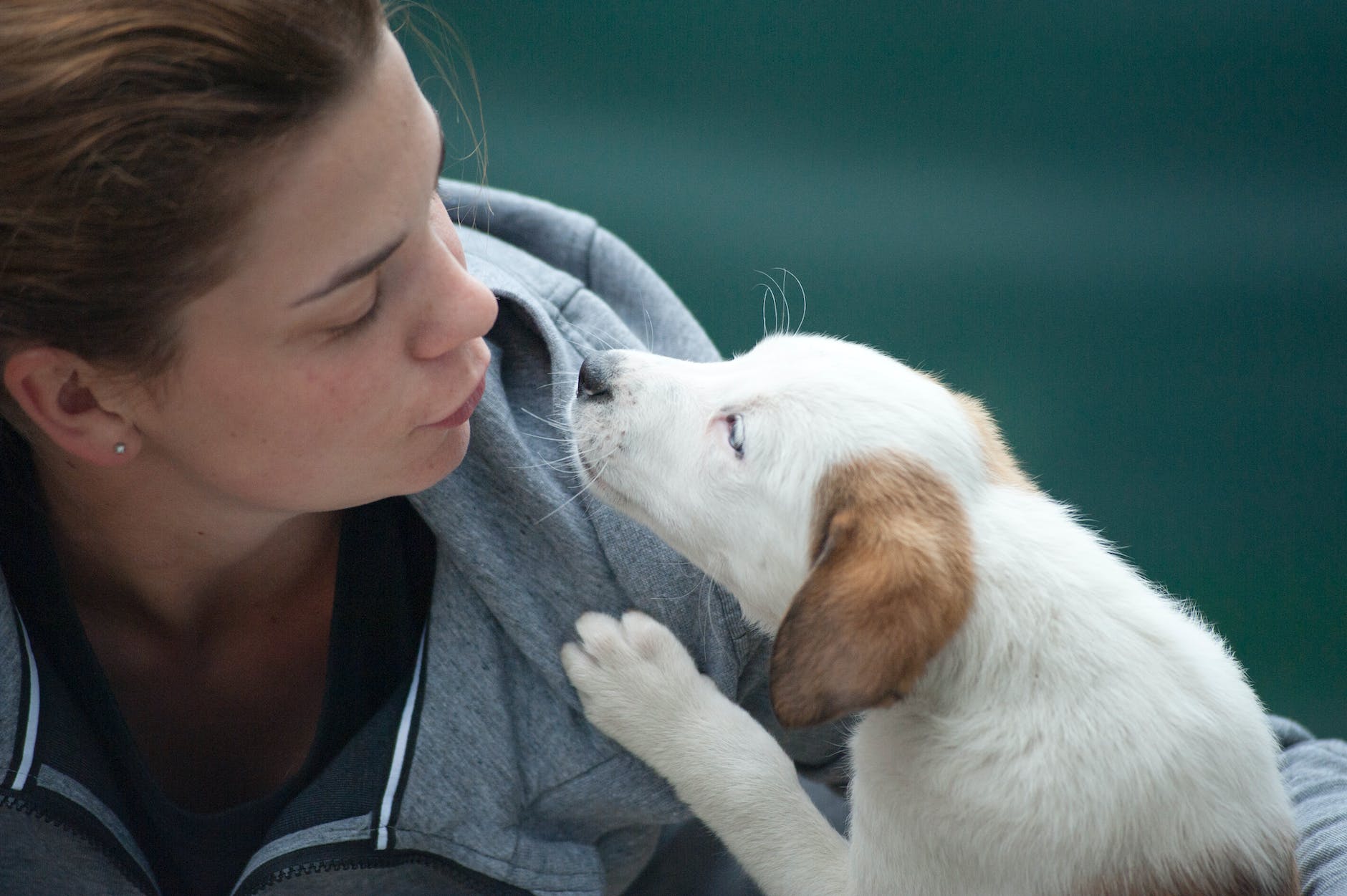
Communication plays a vital role in any relationship, including the one we have with our beloved canine companions. Dogs have their unique way of expressing themselves through body language, and as responsible pet owners, it is crucial to understand and interpret their signals accurately. By doing so, we can establish a deep bond with our dogs based on trust, respect, and effective communication. In this blog post, we will explore the various aspects of understanding a dog’s language, including their body postures, facial expressions, vocalizations, and breed-specific traits. By learning to decode and respond to their signals appropriately, we can develop a safe and harmonious language with our dogs, ensuring their well-being and happiness.
Decoding Dogs’ Body Language: The Key to Understanding Canine Communication
Body language is a fundamental aspect of how dogs communicate with us and each other. Through a combination of postures, movements, and gestures, they convey their emotions, intentions, and desires. By understanding their body language, we can accurately interpret their signals and respond appropriately, fostering better communication and a deeper connection with our furry friends.
Posture and Positioning:
A dog’s posture and positioning provide valuable insights into their emotional state. Observing the following cues can help us understand what they’re trying to communicate:
- A relaxed dog typically holds its body loosely, with a wagging tail and ears in a neutral position. This signifies a calm and content dog.
- On the other hand, a fearful or anxious dog may exhibit signs of submission, such as cowering, tucking its tail between its legs, flattening its ears, or showing whites of the eyes. These behaviors indicate a dog in distress.
- A confident dog stands tall with its tail held high, ears forward, and a relaxed posture. This signifies a self-assured and secure canine.
Tail Language:
A dog’s tail is like a barometer of their emotions, and its position, speed, and height can communicate various messages:
- A slow wag with a low position may indicate fear or uncertainty. It suggests that the dog is cautious and unsure of the situation.
- A high, fast wag usually denotes excitement or happiness. This lively tail wag signifies a dog’s enthusiasm and positive emotions.
- Conversely, a stiff, rigid tail held upright can signal aggression or heightened alertness. It’s crucial to exercise caution when encountering a dog displaying this tail position.
Facial Expressions:
Dogs use their facial expressions to convey a wide range of emotions. Understanding these subtle cues is essential for comprehending their feelings:
- Relaxed eyes, a loose mouth, and slightly raised eyebrows indicate a calm and content dog. These signs suggest that the dog is at ease and comfortable in their surroundings.
- Raised hackles, narrowed eyes, or bared teeth may indicate aggression or discomfort. These expressions serve as warning signals, highlighting the dog’s unease or potential threat.
- Yawning or lip licking can be signs of stress or anxiety. Dogs often use these behaviors to cope with stressful situations or to communicate their unease.
Ears and Head Position:
A dog’s ears and head position provide additional information about their state of mind:
- Ears held forward or slightly to the side indicate attentiveness and interest. This demonstrates the dog’s focus and engagement with their surroundings.
- Ears flattened against the head can signify fear or submission. It’s a way for dogs to protect themselves or signal submissiveness to a perceived threat.
- A head held high may indicate confidence and assertiveness. This posture suggests that the dog is self-assured and in control of the situation.
- Conversely, a lowered head can show submissiveness. It indicates a dog’s deference to authority or an attempt to avoid conflict.
By paying close attention to a dog’s body language, including their posture, tail position, facial expressions, and ear/head positioning, we can gain valuable insights into their emotions and intentions. This understanding allows us to respond appropriately, fostering effective communication and building a strong bond with our canine companions. Remember, each dog is unique, so it’s essential to consider individual differences and take into account their breed-specific traits when interpreting their body language.
Developing Safe Communication
To develop a safe and effective language with your dog, it is essential to establish trust, respect, and clear communication. Here are some key steps to foster a strong bond with your canine companion:
Spend Quality Time Together:
- Engage in activities that your dog enjoys, such as walks, playtime, and training sessions.
- This quality time strengthens the bond and helps you understand your dog’s preferences and triggers.
Consistency in Training and Boundaries:
- Dogs thrive on consistency and clear expectations.
- Use positive reinforcement techniques, such as treats, praise, and rewards, to reinforce desired behaviors.
- Avoid punishment-based methods, as they can lead to fear and aggression.
Active Listening:
- Pay attention to your dog’s body language, vocalizations, and overall behavior.
- Observe the subtle changes in their posture, tail position, and facial expressions.
- This active listening will help you understand your dog’s emotions and respond accordingly.
Respect Personal Space and Boundaries:
- Dogs have their individual preferences when it comes to personal space.
- Respect their boundaries and allow them to approach and interact with people or other dogs at their own pace.
- Avoid forcing them into uncomfortable situations or overwhelming them with excessive physical contact.
Use Positive Reinforcement:
- Reward your dog for good behavior and desired responses.
- Positive reinforcement encourages your dog to repeat the behavior that earned them the reward.
- Treats, praise, and affection can be effective forms of positive reinforcement.
Avoid Punishment:
- Punishment-based training methods can have detrimental effects on your dog’s well-being and the trust between you.
- Instead of punishing unwanted behavior, focus on redirecting and teaching alternative behaviors.
Deciphering Dog Vocalizations: Understanding Their Messages
In addition to body language, dogs rely on vocalizations to communicate with us and their fellow canines. Barks, growls, whines, and howls all play a role in conveying different messages and emotions. By familiarizing ourselves with these vocalizations, we can gain deeper insights into our furry companions’ needs and emotions. Let’s explore some common dog vocalizations and their meanings:
Barks:
Barking is a versatile and common form of canine communication. It can have various meanings depending on the context and characteristics of the bark:
- A short, sharp bark often indicates alertness or serves as a warning signal, drawing attention to potential threats or intruders.
- Rapid barking can be a sign of excitement or frustration. Dogs may display this type of bark during play or when anticipating something they desire.
- A long, drawn-out bark may signify fear, pain, or boredom. It can be a way for dogs to express discomfort or seek attention and stimulation.
Growls:
Growling is a crucial communication tool for dogs, allowing them to express their boundaries and emotions. It’s essential to understand the underlying cause of a dog’s growl rather than punishing them for this behavior:
- Growling can indicate aggression and serve as a warning signal. It typically arises from fear, territoriality, or the dog feeling threatened or defensive.
- Dogs may also growl when they’re feeling fearful or uncomfortable in a particular situation. This can be their way of communicating their need for space or reassurance.
Whines and Whimpers:
Whining and whimpering are vocalizations that dogs use to express a range of emotions and desires:
- Whining can convey excitement, anticipation, or anxiety. Dogs may whine when they’re eager to greet someone or when they’re feeling anxious or stressed.
- Whimpers often indicate pain, fear, or a desire for reassurance. Dogs may whimper when they’re injured, frightened, or seeking comfort and attention.
Howling:
Howling is an instinctive behavior deeply rooted in a dog’s nature. It serves multiple purposes and can carry different messages:
- Dogs howl as a form of communication over long distances. In the wild, this helped them communicate with their pack members and establish their location.
- Howling can also be a response to certain sounds, such as sirens or other dogs howling nearby. It’s a way for dogs to join in or respond to the auditory stimulation.
- Dogs may howl when they feel lonely or are experiencing separation anxiety. It can be their attempt to seek connection and alleviate their feelings of isolation.
Understanding and interpreting these vocalizations can provide valuable insights into a dog’s emotional state and needs. However, it’s important to remember that vocalizations should always be considered in conjunction with other body language cues for a comprehensive understanding. Each dog is unique, and their vocalizations may vary based on their breed, individual personality, and life experiences. By paying attention to these vocal cues and combining them with body language, we can foster effective communication and strengthen the bond with our canine companions.
Understanding Breed-Specific Traits and Communication in Dogs
When it comes to communicating with our canine companions, it’s important to recognize that different dog breeds have unique communication styles and physical traits that impact their language. By understanding these breed-specific traits, we can enhance our ability to effectively communicate with our dogs and strengthen our bond with them.
Body Structure and Expression:
Each breed has its own set of physical characteristics that influence their body language and expression. For instance, brachycephalic breeds, characterized by short noses and flat faces, may have limited facial expressions compared to breeds with longer snouts. These breeds, such as Bulldogs or Pugs, rely more on body postures and tail movements to communicate their emotions.
Vocalization Patterns:
Vocalization patterns also vary among different breeds. Some breeds are naturally more vocal than others, and their communication often revolves around distinct sounds. Hound breeds, like Beagles or Bloodhounds, are known for their unique baying or howling, which they use to communicate various messages, including signaling their location during hunts.
Energy Levels and Communication Needs:
Energy levels play a significant role in a dog’s communication style. Different breeds have varying energy levels and, as a result, different communication needs. High-energy breeds, such as Border Collies or Australian Shepherds, often require more physical and mental stimulation. These breeds tend to communicate their needs through active behavior, such as jumping, pacing, or playfully nudging their owners. On the other hand, calmer breeds, like Basset Hounds or Great Danes, may communicate their needs in a more subtle manner, using gentle nudges or resting their heads on their owners’ laps.
Understanding these breed-specific traits can greatly enhance our ability to communicate effectively with our dogs. It allows us to interpret their signals more accurately and respond appropriately to their needs and emotions. By recognizing the unique communication styles of different breeds, we can create a harmonious environment where our dogs feel understood and valued.
In conclusion, recognizing breed-specific traits and their influence on communication is essential for building a strong and effective language with our dogs. By familiarizing ourselves with the body language, vocalization patterns, and energy levels of our dog’s breed, we can establish a deeper connection and promote clear communication. Remember to always observe and listen to your dog, respecting their individuality and responding with patience, empathy, and understanding.
Understanding a dog’s language is essential for building a strong and safe relationship with your furry friend. By observing and interpreting their body language, vocalizations, and breed-specific traits, you can effectively communicate and meet your dog’s needs. Remember to spend quality time together, be consistent in training, and use positive reinforcement to reinforce desired behaviors. Avoid punishment-based methods and respect your dog’s personal boundaries. By developing a safe and nurturing language with your dog, you can ensure their well-being, happiness, and a lifelong bond filled with love and understanding.