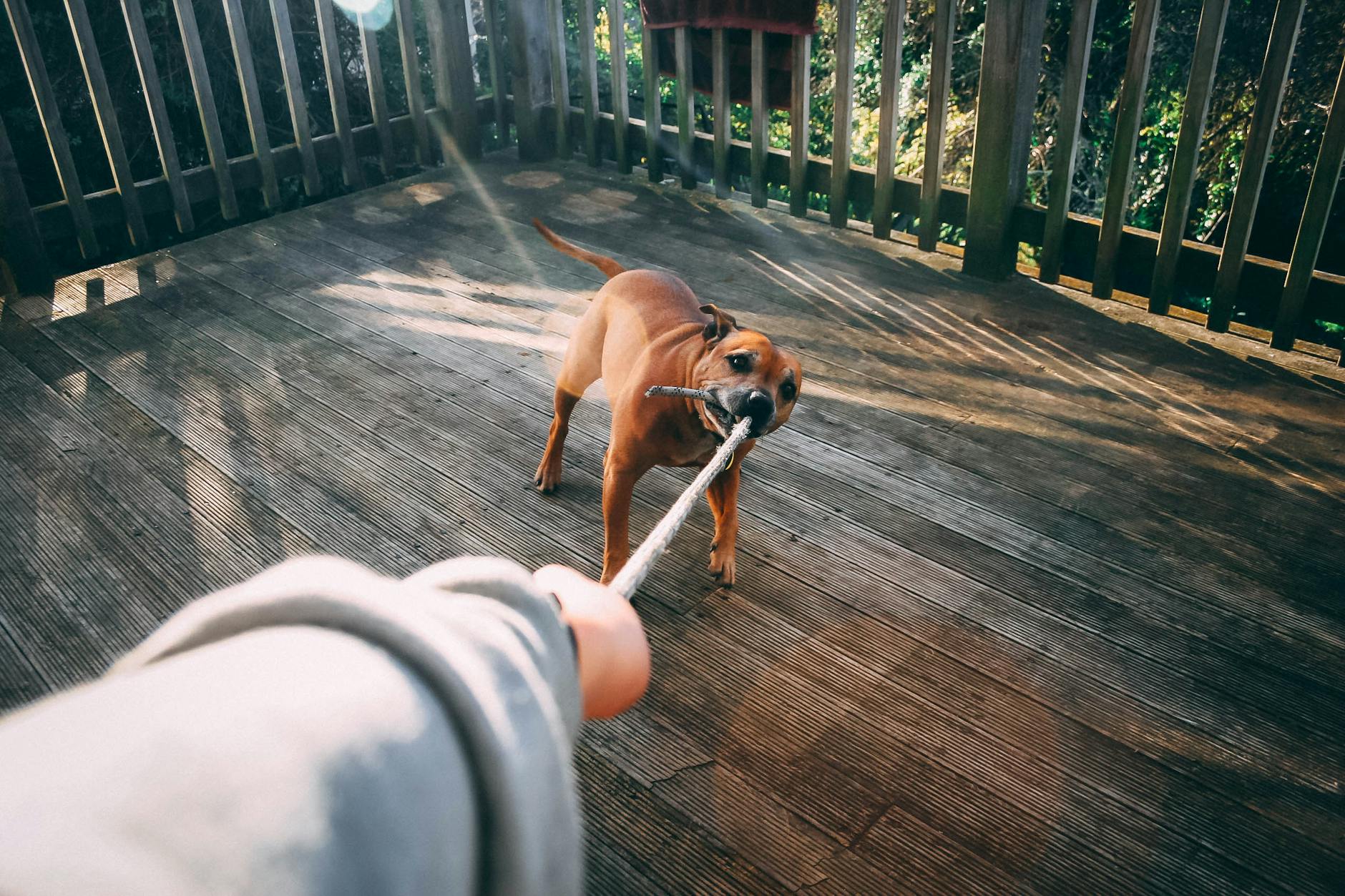
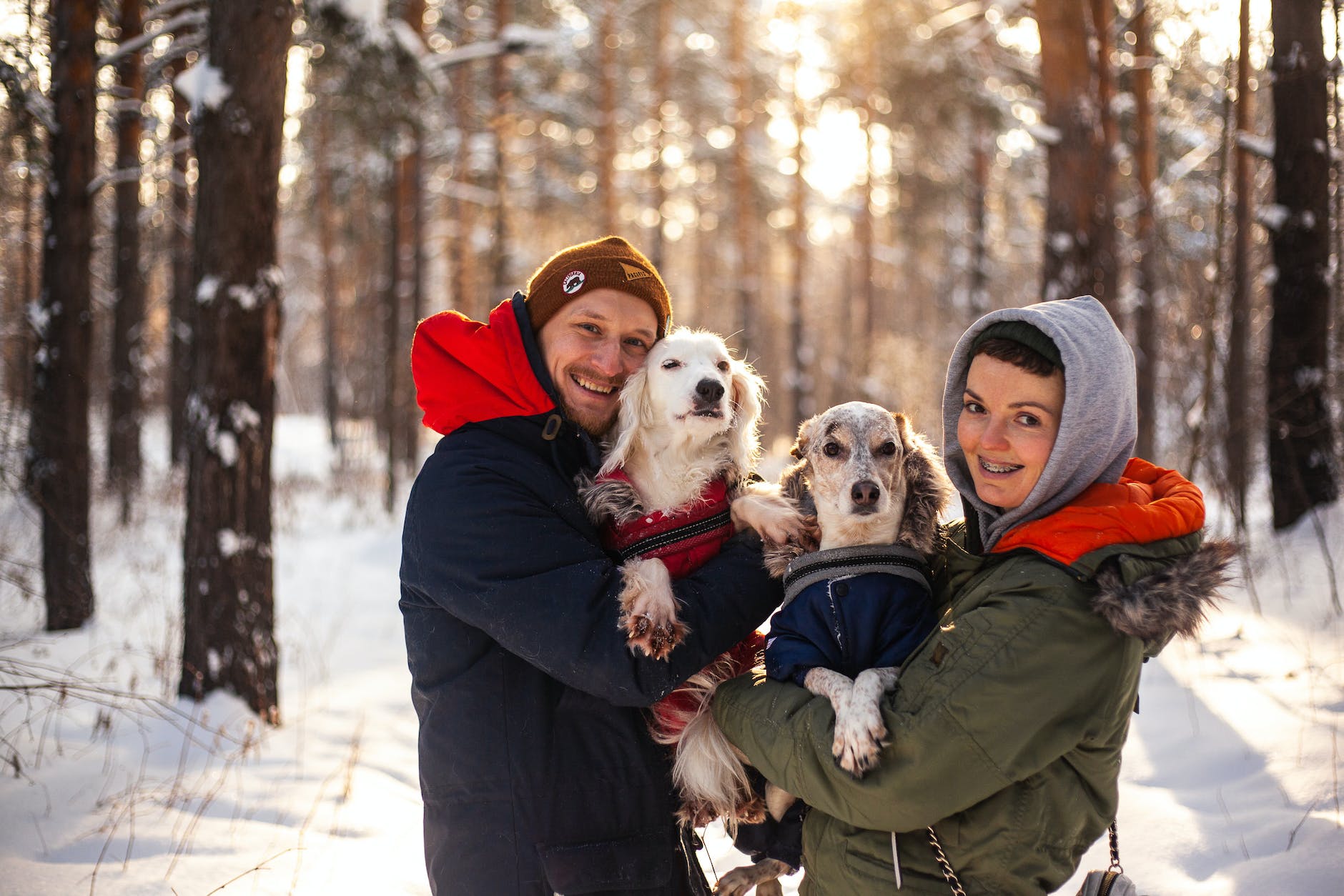
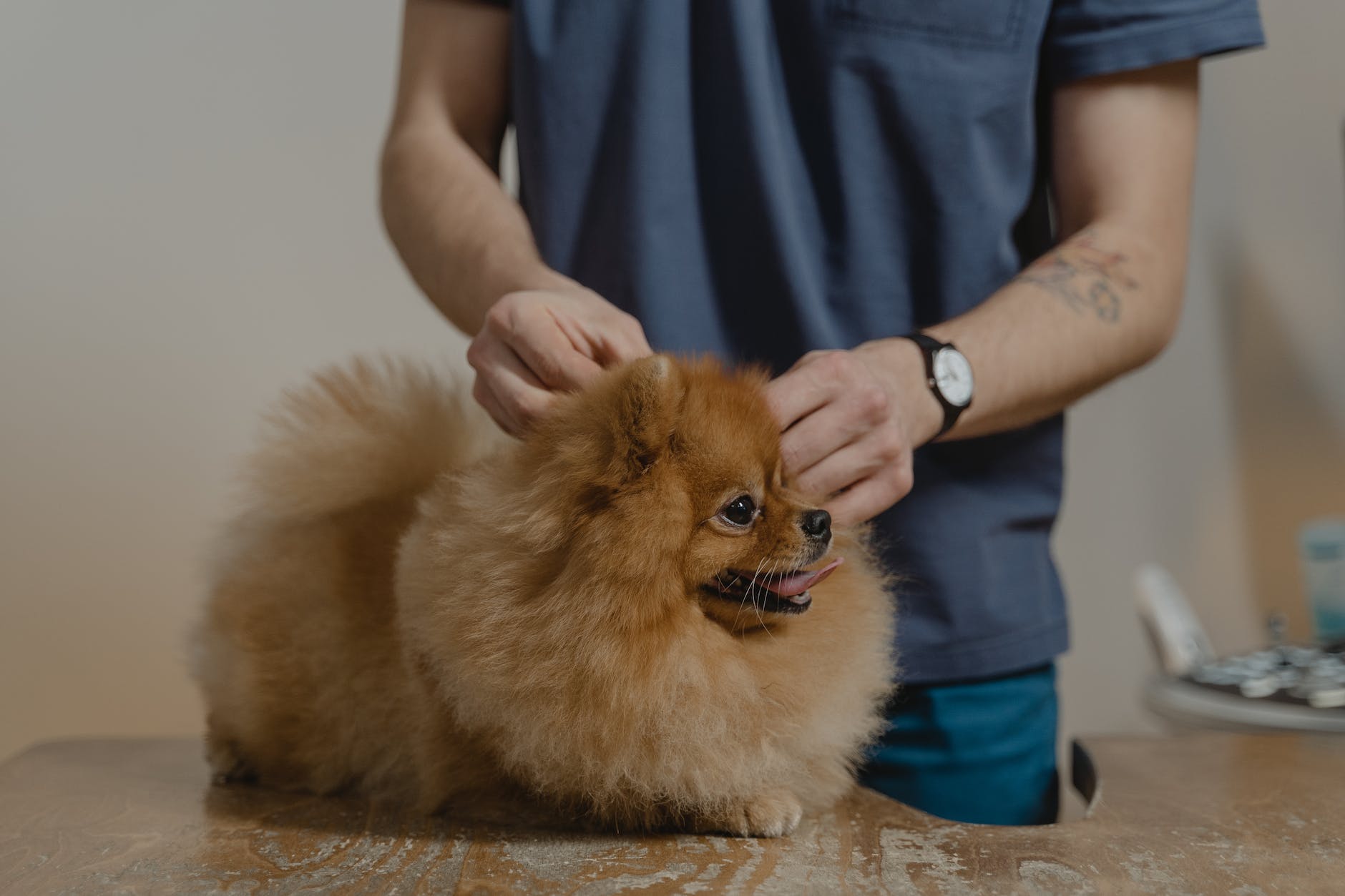
Posted on — 1 Comment

How To Crate Train Your Dog

Bringing a new puppy home is an exciting adventure filled with joy and new responsibilities. One of the most important aspects of raising a well-behaved and happy dog is crate training. Crate training your dog not only helps with housebreaking but also provides your puppy with a safe and secure space to call their own. In this detailed guide, we’ll cover the basics, challenges, products, recommendations, and tips to ensure successful crate training for your dog.

Embracing Crate Training for Your Dog

Crate training is an essential part of raising a puppy. It helps with housebreaking, prevents destructive behavior, and ensures your puppy has a safe place to rest and feel secure. Think of a crate as your puppy’s personal den – a place where they can retreat and feel comfortable. When done correctly, crate training can make life easier for both you and your puppy.

Benefits of Crate Training Your Dog

Here are a few reasons why crate training your dog is such a great idea:

  1. Safety and Security: Provides a safe haven for your puppy, reducing anxiety and stress.
  2. Housebreaking Aid: Facilitates potty training by leveraging a dog’s natural instinct to keep their den clean.
  3. Travel and Vet Visits: Familiarizes your puppy with confinement for travel and vet visits, making these experiences less stressful.

Getting Started: The Basics of Crate Training Your Dog

Crate training your dog

Choosing the Right Crate

Selecting the appropriate crate is crucial for your puppy’s comfort and success in crate training.

  • Size and Type: Opt for a crate that allows your puppy to stand up, turn around, and lie down comfortably. However, it shouldn’t be so large that they can use one end as a bathroom.
  • Location: Place the crate in a quiet, low-traffic area of your home where your puppy can still feel connected to the family. Avoid areas prone to drafts or direct sunlight.

There are several types of crates available:

  • Wire Crates: Provide good ventilation and visibility, and are collapsible for easy storage.
  • Plastic Crates: More enclosed, offering a den-like feel, and are great for travel.
  • Soft-Sided Crates: Lightweight and portable, suitable for calm puppies.

Introducing Your Puppy to the Crate

Introduce the crate gradually to create a positive association. Place the crate in a busy area of your home where your puppy can see and hear you. Make it inviting by adding a soft blanket or bed and a few toys. Encourage your puppy to explore the crate by tossing treats or a favorite toy inside. Praise and reward them when they enter the crate voluntarily.

Making the Crate Comfortable

Ensure the crate is a cozy and inviting space. Use soft bedding that is easy to clean and add a favorite toy or two. Consider using a crate cover to create a more den-like environment, which can help your puppy feel more secure.

Step-by-Step Crate Training Process

Crate training your dog

Step 1: Introducing Short Sessions

Start with short sessions to help your puppy get used to the crate. Begin by feeding your puppy near the crate, then gradually move the food bowl inside. This will help them associate the crate with positive experiences.

Step 2: Extending Crate Time

Once your puppy is comfortable eating in the crate, close the door for a few minutes while they’re eating. Gradually increase the time they spend in the crate with the door closed. Stay nearby and offer praise and treats to reinforce positive behavior.

Step 3: Leaving the Room

After your puppy is comfortable with short periods in the crate, practice leaving the room for a few minutes at a time. Gradually increase the duration you’re out of sight. This helps your puppy learn that being in the crate alone is okay and that you’ll always return.

Step 4: Crate Time When You’re Away

Once your puppy is comfortable being in the crate while you’re at home, start using the crate for short periods when you’re away. Make sure they’ve had a chance to relieve themselves and have some exercise before crating them. Start with short absences and gradually extend the time.

Step 5: Nighttime Crate Training

Use the crate for nighttime sleeping to help with housebreaking. Place the crate near your bedroom so your puppy can hear and smell you. This can reduce anxiety and help them settle down for the night. Take your puppy out for bathroom breaks as needed, gradually reducing the frequency as they grow older.

Common Challenges and How to Overcome Them

Crate training your dog

Whining and Barking

It’s normal for puppies to whine or bark when first introduced to the crate. Responding to whining can reinforce the behavior, so it’s important to ignore it if you’re sure they don’t need to go to the bathroom. If the whining continues, try covering the crate with a blanket to create a den-like atmosphere or moving the crate to a quieter area.

Accidents in the Crate

Accidents can happen, especially in the early stages. If your puppy soils the crate, clean it thoroughly to remove any odors. Make sure the crate isn’t too large, as this can encourage them to use one end as a bathroom. Establish a consistent bathroom schedule and take your puppy out frequently.

Chewing and Destructive Behavior

Puppies are naturally curious and may chew on the crate. Provide appropriate chew toys to keep them occupied and satisfied. Avoid leaving anything in the crate that could be harmful if ingested.

Recommended Products for Crate Training

Crate training your dog

Essential Crate Accessories

Dog Crate

A durable and versatile wire crate with a divider panel, suitable for growing puppies. Recommendation: MidWest Homes for Pets Dog Crate

Crate training your dog

Crate Pad:

A cozy and machine-washable crate pad that provides extra comfort. Recommendation: K&H Pet Products Self-Warming Crate Pad.

Crate training your dog

Interactive Toys

Interactive toys that can be filled with treats to keep your puppy entertained and mentally stimulated. Recommendation: PetSafe Busy Buddy Toys

Crate training your dog

Stain and Odor Eliminator

A powerful cleaner to tackle accidents and keep the crate fresh. Recommendation: Nature’s Miracle Advanced Stain and Odor Eliminator

Crate Cover

A cover to create a den-like environment and help reduce anxiety. Recommendation: MidWest Crate Cover

Crate training your dog

FAQs about Crate Training

How long can I leave my puppy in the crate?

Young puppies should not be left in the crate for more than a few hours at a time. As they grow older, they can gradually handle longer periods. Aim for a maximum of 4-6 hours during the day and 8 hours overnight.

What if my puppy doesn’t like the crate?

Patience is key. Gradually introduce the crate and create positive associations with treats, toys, and praise. If your puppy continues to resist, consult with a professional trainer for additional guidance.

Can I use the crate for punishment?

No, the crate should never be used as a form of punishment. It should be a safe and positive space for your puppy. Using the crate for punishment can create negative associations and increase anxiety.

How do I transition from crate to more freedom in the house?

As your puppy becomes more reliable with housebreaking and less likely to engage in destructive behavior, you can gradually increase their freedom. Start by allowing supervised access to one room at a time, and always return to crate training if accidents or issues arise.

What if my puppy has separation anxiety?

If your puppy shows signs of separation anxiety, such as excessive barking, drooling, or destructive behavior, crate training may need to be adjusted. Consult with a veterinarian or professional trainer to develop a plan that addresses their specific needs.

Creating a Happy, Crate-Trained Puppy

Crate training your dog

Crate training is a valuable tool that provides safety, comfort, and structure for your puppy. With patience, consistency, and positive reinforcement, you can successfully crate train your new furry friend, ensuring they feel secure and happy in their personal space.

Stay Connected!

Remember, the key to successful crate training your dog is consistency, patience, and plenty of treats. Embrace the adventure, enjoy the moments, and make memories that will last a lifetime. However, this guide is not a substitute for professional veterinary advice. Always consult with your vet for specific health needs and recommendations for your pet.

For more tips and updates, subscribe to our newsletter, follow us on social media, subscribe to our YouTube channel, and share your camping stories in the comments below. We’d love to hear about your adventures! Happy trails!
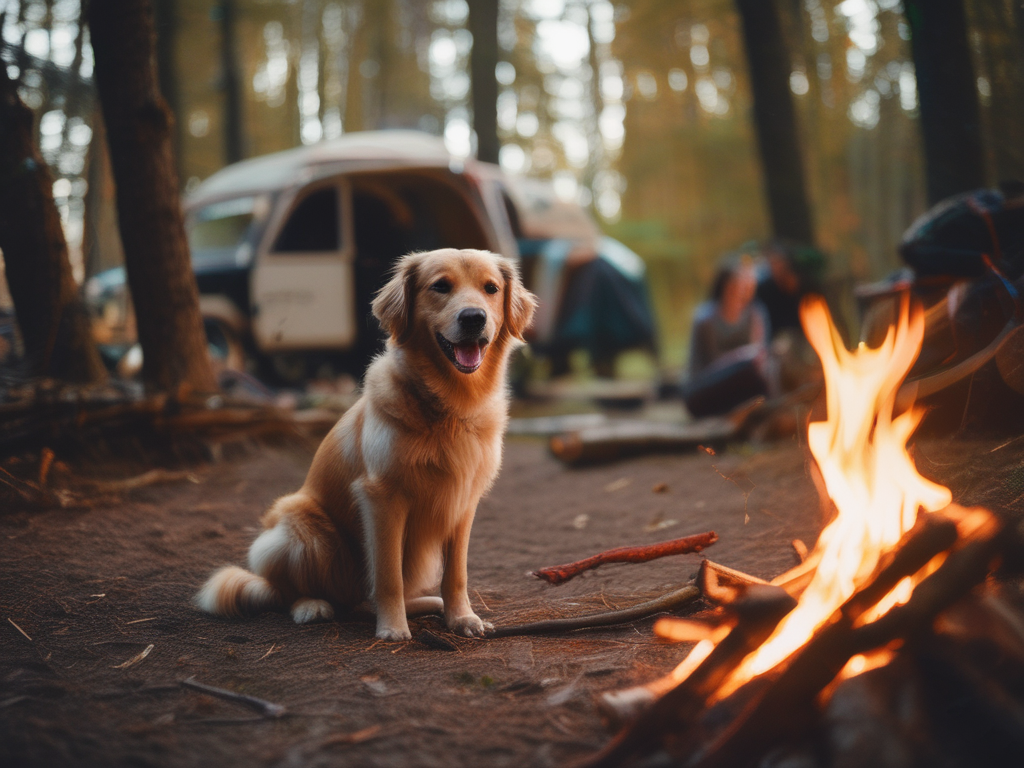
Posted on — 1 Comment

Camping with Your Dog: Ultimate Guide for a Bonding Adventure

Camping with your dog is one of the most rewarding experiences you can have. It’s a great way to bond, enjoy nature, and create unforgettable memories. Whether you’re a seasoned camper or a first-timer, heading out into the wilderness with your furry friend can be both exciting and a little daunting. But don’t worry! With a bit of preparation and the right gear, you and your pup will be ready to tackle the great outdoors. Here’s your go-to guide for camping with your dog, packed with tips, tricks, and essentials.

Why Camp with Your Dog?

Camping with Your Dog: The Ultimate Guide to a Paw-some Adventure

Camping with your dog offers a unique opportunity to enjoy the outdoors together. Imagine waking up to the sound of birds chirping, sharing breakfast under the morning sun, and exploring trails with your loyal companion by your side. It’s like having your own adventure buddy who never complains and is always up for a walk. Plus, dogs often love the outdoors as much as we do, making it a joy to see them sniff, explore, and enjoy nature.

Here are a few more reasons why camping with your dog is such a great idea:

  1. Strengthening the Bond: Spending time together in a new environment strengthens your bond with your dog. The shared experiences and the reliance on each other for safety and companionship deepen your relationship.
  2. Physical and Mental Exercise: Both you and your dog benefit from the physical activity that comes with hiking, swimming, and exploring. Additionally, the new sights, smells, and sounds stimulate your dog’s mind, keeping them happy and engaged.
  3. Reduced Stress and Anxiety: Nature has a calming effect, and it’s not just for humans. Dogs can also experience reduced stress and anxiety from spending time outdoors. The fresh air, open spaces, and natural surroundings provide a tranquil setting for both of you.
  4. Socialization: Camping can be a great way for your dog to meet other dogs and people. It’s an opportunity for them to learn how to interact in different situations and environments.
  5. Creating Unforgettable Memories: The adventures you have while camping with your dog create lasting memories. The stories of your outdoor escapades will be ones you cherish and recount for years to come.

Before you embark on this exciting journey, it’s crucial to ensure you have all the necessary gear. Here’s a checklist of essentials to make your camping trip with your dog safe, comfortable, and enjoyable.

Essential Gear for Camping with Your Dog

Camping with Your Dog: The Ultimate Guide to a Paw-some Adventure

Before you head out, make sure you have the right gear. Here’s a checklist of must-have items:

  • Dog-Specific First Aid Kit: Accidents happen, and it’s best to be prepared. Include bandages, antiseptic wipes, tweezers, and any medications your dog may need.
  • Collapsible Food and Water Bowls: These are lightweight and easy to pack, making meal times a breeze.
  • Portable Dog Bed or Sleeping Bag: Ensure your dog has a comfortable place to sleep. There are plenty of options designed specifically for outdoor use.
  • Harness and Leash: A sturdy harness is essential for hiking. A leash with a comfortable handle will help you keep control in unfamiliar surroundings.
  • Dog Jacket or Sweater: Depending on the weather, your dog might need extra warmth.
  • Paw Protection: Booties or paw wax can protect your dog’s feet from rough terrain, hot surfaces, or cold conditions.
  • Poop Bags: Leave no trace! Always clean up after your dog to keep nature pristine.
  • ID Tags and Microchip Information: Ensure your dog’s ID tags are up to date and consider a GPS tracker for extra peace of mind.

Having these essentials on hand ensures that your camping trip with your dog will be safe, comfortable, and enjoyable for both of you. Now that you’re equipped with the right gear, it’s time to start planning your adventure.

Planning Your Trip

Proper planning is crucial for a successful camping experience with your dog. Here’s how to make sure your trip goes off without a hitch.

Research and Choose a Dog-Friendly Campsite

Not all campsites are dog-friendly, so it’s important to do your research. Look for sites that welcome pets and offer amenities like dog parks, trails, and water sources. Websites like BringFido and GoPetFriendly are excellent resources for finding dog-friendly locations.

Check the Weather

Weather can make or break your camping trip. Check the forecast and prepare for potential changes. Hot weather might mean you need to bring extra water and cooling gear, while cold weather might require more blankets and a doggy jacket.

Pack the Right Food and Treats

Stick to your dog’s regular diet to avoid digestive issues. Pack enough food for the entire trip plus a little extra in case of emergencies. Don’t forget treats! They’re perfect for rewarding good behavior on the trail.

With your trip carefully planned, you’re ready to hit the trails. But what about when you’re out there exploring? Let’s dive into some tips for hiking with your dog.

On the Trail: Hiking with Your Dog

Camping with Your Dog: The Ultimate Guide to a Paw-some Adventure

Start Slow

If your dog isn’t used to long hikes, start with shorter, easier trails. Gradually increase the distance and difficulty to build their stamina.

Stay Hydrated

Just like humans, dogs need plenty of water when they’re active. Carry enough water for both of you and offer it frequently.

Watch for Signs of Fatigue

Keep an eye on your dog for signs of tiredness, overheating, or discomfort. Take regular breaks and let them rest in the shade.

Following these tips ensures that both you and your dog stay safe and enjoy your time on the trail. Once you’ve reached your campsite, it’s important to keep your dog comfortable and secure.

Camp Life: Keeping Your Dog Comfortable

Camping with Your Dog: The Ultimate Guide to a Paw-some Adventure

Once you’ve reached your campsite, it’s essential to create a safe and cozy environment for your furry friend. Ensuring your dog’s comfort and security will make the camping experience enjoyable for both of you.

Setting Up Camp

Choose a campsite that offers some natural shade and a flat area for your dog to rest. Set up their bed or sleeping bag in a cozy spot

Nighttime Safety

At night, keep your dog inside the tent or secure them with a lead. Reflective gear or a light-up collar can help you keep an eye on them in the dark.

Bug Protection

Insects can be a nuisance for dogs too. Use pet-safe insect repellent and check your dog regularly for ticks. A flea and tick collar can also offer added protection.

With your dog comfortable and secure at the campsite, you can both relax and enjoy the experience. Now let’s look at some fun activities to make your camping trip even more enjoyable.

Fun Activities for Camping with Your Dog

Camping with your dog isn’t just about hiking. There are plenty of other activities to enjoy together:

Camping with Your Dog: The Ultimate Guide to a Paw-some Adventure

Swimming

If your campsite is near a lake or river, let your dog take a dip. Always supervise them and check for strong currents.

Fetch and Play

Bring a ball or frisbee for a fun game of fetch. It’s a great way to burn off energy.

Camping with Your Dog: The Ultimate Guide to a Paw-some Adventure

Photo Sessions

Capture the beauty of nature and your dog’s joy. You’ll treasure these memories forever.

Relaxing by the Fire

At the end of the day, snuggle up by the campfire. Make sure to keep your dog at a safe distance from the flames.

Camping with Your Dog: The Ultimate Guide to a Paw-some Adventure

Engaging in these activities ensures that your dog has as much fun as you do. As you enjoy your time outdoors, remember to respect nature and practice responsible camping.

Leave No Trace

Respect nature by following the Leave No Trace principles. This includes picking up after your dog, sticking to trails, and minimizing your impact on the environment. By doing so, you help ensure that the great outdoors remain beautiful and accessible for everyone.

Final Thoughts

Camping with your dog is a wonderful way to explore the outdoors and strengthen your bond. With the right preparation and mindset, you’ll create an adventure that’s fun and safe for both of you. So pack your gear, grab your leash, and hit the trails. Happy camping!

Remember, the key to a successful camping trip with your dog is preparation, patience, and plenty of treats. Embrace the adventure, enjoy the moments, and make memories that will last a lifetime. However, this guide is not a substitute for professional veterinary advice. Always consult with your vet for specific health needs and recommendations for your pet.

For more tips and updates, subscribe to our newsletter, follow us on social media, and share your camping stories in the comments below. We’d love to hear about your adventures! Happy trails!

Posted on — Leave a comment

How to Style Your Dog 101: A Guide to Dog Fashion Essentials

Welcome, fellow canine aficionados, to the ultimate journey on how to style your dog and explore the fabulous realm of doggie fashion! Whether your furry friend is a fashionista or a laid-back pooch, there’s something in the wardrobe for every pup to strut their stuff. So, grab your puppuccino, snuggle up with your four-legged pal, and let’s dive into this stylish adventure!

Essentials Every Dog Must Have:

How to Style Your Dog 101: A Guide to Dog Fashion Essentials

Every pup deserves to have their wardrobe essentials on paw, just like their human counterparts! From statement collars to stylish apparel, these essentials not only elevate your pup’s fashion game but also ensure their comfort and safety. Let’s dive into the must-have items that every dog should have in their closet!

A Snazzy Dog Collar:

Think of it as your pup’s statement necklace! A sturdy, comfortable collar is not only a fashion statement but also a safety must-have.

Here are a select few options for your dog’s outfit.

Classic leather dog collar | Dog Fashion | Official Dog Parents
Personalized dog collar | Dog Fashion | Official Dog Parents
Reflective dog collar | Dog Fashion | Official Dog Parents
Classic Leather Dog Collars:

Timeless and durable, leather collars like the Blueberry Pet Essentials are both stylish and functional.

Personalized Dog Collars:

Add a touch of flair with personalized collars featuring your pup’s name or contact information, like those from Orvis.

Reflective Dog Collars:

Keep your pup safe during nighttime walks with reflective collars such as the GoTags.

Paw-some Dog Apparel

Dog apparel takes your pup’s wardrobe to the next level, adding a fun and unique touch to their everyday look. Whether you’re looking to showcase their personality or dress them up for special occasions, these stylish outfits are sure to make your furry friend stand out from the pack.

Cozy dog sweaters | Dog Fashion | Official Dog Parents
Lightweight dog tees | Dog Fashion | Official Dog Parents
Dog rain jackets | Dog Fashion | Official Dog Parents
Cozy Dog Sweaters:

Perfect for chilly days, cozy sweaters like the Fitwarm Knitted Sweater provide warmth and style.

Lightweight Dog Tees:

Keep it casual with lightweight tees such as the EXPAWLORER Cotton Shirt for summer outings.

Dog Rain Jackets:

Stay dry during rainy weather with water-resistant jackets like the Ellie Dog Wear Raincoat.

Paw-tective Dog Footwear:

Dog shoes aren’t just a practical necessity—it’s a way to add an extra flair to your pup’s ensemble. From durable boots to cute shoes, these accessories keep your dog’s paws safe while adding a stylish touch to their overall look.

All weather dog shoes | Dog Fashion | Official Dog Parents
Anti-slip dog socks | Dog Fashion | Official Dog Parents
Breathable dog shoes | Dog Fashion | Official Dog Parents
All-Weather Dog Boots:

Protect your pup’s paws from hot pavement and icy surfaces with all-weather boots like Ruffwear Grip Trex.

Anti-Slip Dog Socks:

Provide traction indoors with anti-slip socks such as PUPTECK Dog Socks.

Breathable Dog Shoes:

Keep paws cool and comfortable during summer walks with breathable shoes like QUMY Dog Shoes.

All Season Dog Fashion Essentials

All season essentials ensure that your pup is always dressed appropriately, no matter what the weather brings. From cozy winter wear to breezy summer outfits, these items keep your furry friend comfortable and stylish throughout the year.

Here are some must-haves for every season:

Winter Wonderland Attire

Keep your pup warm and stylish during the frosty winter months with our must-have winter wonderland attire. From cozy jackets to snug sweaters, these essentials ensure your furry friend stays toasty and trendy all season long. Here are some winter essentials for your dog.

Fleece jackets for dogs | Dog Fashion | Official Dog Parents
Insulated parka jackets for dogs | Dog Fashion | Official Dog Parents
Knitted sweaters for dogs | Dog Fashion | Official Dog Parents
Fleece-Lined Jackets:

Stay warm and cozy with fleece-lined jackets like the Kurgo Loft Jacket.

Insulated Parkas:

Brave the cold in style with insulated parkas such as the Canada Pooch Expedition Coat.

Knit Sweaters:

Embrace the holiday spirit with festive knit sweaters like the Blueberry Pet Fair Isle Sweater.

Summer Chic:

Help your pup stay cool and fashionable during the sizzling summer months with our summer chic essentials. From breathable fabrics to stylish sun hats, these items ensure your furry friend beats the heat in style. Here are some summer essentials for your dog.

Cooling vests for dogs | Dog Fashion | Official Dog Parents
Sun hats for dogs | Dog Fashion | Official Dog Parents
Mesh harness for dogs | Dog Fashion | Official Dog Parents
Cooling Vests:

Beat the heat with cooling vests like the Ruffwear Jet Stream Vest.

Sun Hats:

Protect your pup’s face from the sun with adorable sun hats such as the Canada Pooch Cooling Hat.

Mesh Harnesses:

Keep pups cool and comfortable with breathable mesh harnesses like the Puppia Soft Dog Harness

Spring Fling Fashion:

Embrace the fresh and vibrant spirit of spring with our spring fling fashion picks for your pup. From floral patterns to lightweight raincoats, these stylish pieces will have your furry friend ready for any spring adventure. Here are some spring essentials for your dog.

Dresses for dogs | Dog Fashion | Official Dog Parents
Light Raincoat for dogs | Dog Fashion | Official Dog Parents
Bandanas for dogs | Dog Fashion | Official Dog Parents
Floral Dresses:

Embrace the season with floral-print dresses like the Fitwarm Floral Dog Dress.

Lightweight Raincoats:

Stay dry in style with lightweight raincoats such as the Ethical Pet Fashion Rainy Days Slicker.

Pastel Bandanas:

Add a pop of color with pastel bandanas like the Blueberry Pet Spring Bandana Set.

Fall Fashionista:

As the leaves change colors, it’s time to embrace the cozy and stylish vibes of fall with our fall fashionista essentials for your furry friend. From plaid scarves to corduroy jackets, these chic pieces will keep your pup looking fabulous all season long. Here are some fall essentials for your dog.

scarves for dogs | Dog Fashion | Official Dog Parents
Plaid Scarves:

Cozy up in style with plaid scarves like the Blueberry Pet Fall Scarf.

Corduroy Jackets:

Channel autumn vibes with corduroy jackets such as the Hurtta Casual Quilted Jacket.

Wool Sweaters:

Stay warm and fashionable with wool sweaters like the Chilly Dog Cable Knit Sweater.

As we’ve seen, dog fashion isn’t just about looking good—it’s about expressing your pup’s personality, keeping them comfortable in all weather conditions, and strengthening the bond between pet and owner.

That’s all folks! As we wrap up our journey through the fabulous world of dog fashion, we hope you’ve found plenty of inspiration to dress your furry friend in style for every season and occasion. From essential collars and apparels all season outfits, there’s a world of fun and fashion waiting for you and your pup. We’d love to hear your thoughts and see your stylish pups, so feel free to share in the comments below. And don’t forget to subscribe to our newsletter to stay up-to-date with the latest trends and tips in dog fashion. Here’s to happy tails and stylish trails!

Posted on — Leave a comment

How to Fly with Fido: A Comprehensive Guide to Air Travel with Dogs

dog in a crate flying in an airplane

Welcome aboard, fellow canine enthusiasts and jet-setting dog parents! If you’ve ever dreamed of soaring through the clouds with your furry best friend by your side, you’re in for a treat. In today’s blog, we’re unleashing the ultimate guide to air travel with dogs. From pre-flight preparations to in-flight essentials and everything in between, we’ve got you covered like a cozy doggy blanket. So fasten your seatbelts (or should I say, leash), because we’re about to embark on an adventure to explore how to fly with dogs!

Navigating the Skies: Things to Consider When Flying with Dogs

Flying with Dogs

First things first, let’s talk logistics. Flying with your four-legged companion requires careful planning and consideration. Before you book those tickets, consider these important factors:

Health and Wellness:

Your furry friend’s well-being is top priority. Schedule a visit to the vet for a thorough check-up before takeoff. Ensure your dog is up-to-date on vaccinations and is in good health for travel.

Size Matters:

Airlines have different regulations regarding pet size and breed restrictions. Be sure to research these guidelines beforehand to avoid any last-minute surprises. Measure your dog’s dimensions accurately to ensure they meet the requirements for in-cabin travel or to determine if they’ll need to travel as checked baggage or cargo.

Comfort is Key:

Invest in a comfortable and airline-approved dog carrier that allows your furry friend to stand, turn around, and lie down comfortably. Think of it as their first-class suite in the sky! Introduce your dog to the carrier well in advance of your trip to help them acclimate and associate it with positive experiences.

Climate Control:

Consider the temperature and weather conditions at your destination. Some airlines may restrict pet travel during extreme temperatures to ensure your dog’s safety and well-being. Plan your travel dates accordingly to avoid any weather-related complications.

Remember, a little preparation goes a long way when it comes to ensuring a smooth and stress-free journey for you and your canine co-pilot.

Essential Things You Need When Flying with Dogs

Air travel with dogs

Now that you’ve dotted your i’s and crossed your t’s, it’s time to pack for your dog’ first flight. Here are some essential items to include in your dog travel kit:

Identification and Documentation:

Keep your dog’s ID tags and travel documents handy at all times. This includes proof of vaccinations, health certificates, and any necessary permits. It’s also a good idea to carry recent photographs of your dog in case they become separated from you during travel.

Comfort Items:

Pack familiar items such as favorite toys, blankets, and bedding to help ease any anxiety or discomfort during the flight. Familiar scents can provide a sense of security and reassurance for your pooch in unfamiliar surroundings.

Food and Water:

Bring along plenty of food and water to keep your dog hydrated and satisfied throughout the journey. Opt for portable bowls and spill-proof containers for easy access. Consider feeding your dog a light meal a few hours before departure to prevent any potential stomach upset during the flight.

Medical Supplies:

Don’t forget to pack any necessary medications or first-aid supplies in case of emergencies. It’s better to be safe than sorry! Consult with your vet prior to travel to discuss any specific health concerns or precautions for your dog.

With these essential items in tow, you’ll be well-prepared to tackle any airborne adventures with your furry friend in tow.

Rules of the Sky: Airline Regulations for Flying with Dogs

Air travel with dogs

Before you embark on your high-flying adventure, it’s crucial to familiarize yourself with the rules and regulations set forth by popular airlines, particularly considering the distinctions between domestic and international flights. For the purpose of this blog, we’ve researched airline regulations for flying with dogs in North America. However, it’s important to note that these regulations may vary depending on your departure and destination locations.

Domestic flights typically involve shorter travel times and fewer regulations compared to international journeys. For domestic flights, you may find more flexibility in cabin pet policies, with some airlines allowing small dogs to travel in the cabin with you for a fee. However, when crossing international borders, regulations become more stringent. International flights may require additional documentation, such as health certificates and import permits, to comply with the destination country’s requirements. Additionally, quarantine regulations and restrictions on certain breeds may apply, depending on the destination. For example, countries like the United Kingdom have specific regulations regarding the entry of certain dog breeds, such as Pit Bull Terrier and Japanese Tosas. It’s crucial to research and prepare well in advance when flying internationally with your dog to ensure a smooth and hassle-free journey for both you and your furry companion.

Here are the regulations for popular airlines in North America:

American Airlines:

American Airlines allows small dogs and cats to travel in the cabin for a fee, provided they meet size and weight restrictions. Larger pets may be transported as checked baggage or cargo, subject to additional fees and regulations. Advance reservations are required for all pet travel. Check out American Airlines’ pet travel policy here.

Delta Air Lines:

Delta welcomes small dogs, cats, and household birds in the cabin for a fee, with certain breed and size restrictions. Larger pets may be transported as checked baggage or cargo, depending on the route and aircraft type. Pets must be at least 10 weeks old for domestic travel and 16 weeks old for international travel. Get more information on Delta Air Lines pet travel policy here.

United Airlines:

United Airlines permits small dogs and cats to travel in the cabin for a fee, subject to size and weight limitations. Larger pets may be transported as checked baggage or cargo, with additional fees and restrictions. Pets must be at least 8 weeks old and fully weaned to travel. Check out United Airlines’ pet travel policy here.

Air Canada:

Air Canada allows small dogs and cats to travel in the cabin for a fee, provided they meet size and weight restrictions. Larger pets may be transported as checked baggage or cargo, subject to additional fees and regulations. Advance reservations are required for all pet travel on Air Canada flights. Get more information on Air Canada pet travel policy here.

Be sure to contact your preferred airline directly for specific guidelines and requirements pertaining to pet travel. By adhering to these regulations and guidelines, you can ensure a safe and comfortable journey for you and your furry companion.

Frequently Asked Questions (FAQs) About Flying with Dogs

Flying with your dog can raise some common questions and concerns. We’ve compiled the answers to a few frequently asked questions that might be going through your mind right now:

Can my dog sit with me in the passenger cabin?

Many airlines allow small dogs to travel in the cabin with their owners for a fee, as long as they meet size and weight restrictions. However, larger dogs may need to travel as checked baggage or cargo.

Can my dog sit on my lap during the flight?

Most airlines require dogs to remain in their approved travel carrier or crate for the duration of the flight, including takeoff and landing. This is for the safety of both your dog and other passengers. However, some airlines may allow small dogs to be held on your lap during the flight if they fit comfortably and remain secured with a harness or leash. Be sure to contact your airline directly for specific requirements pertaining to your dog.

What if my dog gets anxious during the flight?

It’s normal for pets to feel anxious in new environments. Bringing along familiar items like toys, blankets, and treats can help comfort your dog during the flight. Additionally, consult with your vet about potential anxiety-relief strategies or medications.

How do I prepare my dog for the flight?

Start by getting your dog accustomed to their travel carrier well in advance of the trip. Take short car rides or practice carrying them around in the carrier to help them feel more comfortable. Additionally, ensure your dog is up-to-date on vaccinations and has a recent health check-up before flying. Read this blog from the top for detailed tips.

Can I feed my dog during the flight?

It’s generally recommended to avoid feeding your dog a large meal right before the flight to prevent any potential stomach upset. However, you can offer small snacks or treats to keep them hydrated and satisfied throughout the journey.

What if my dog needs to relieve themselves during the flight?

Most airlines don’t have designated pet relief areas on board, so it’s essential to plan ahead. Take your dog for a bathroom break before boarding the flight and consider using puppy pads or disposable liners in their carrier in case of emergencies.

By addressing these common questions, you can alleviate some of the uncertainties associated with flying with your furry companion and ensure a smoother travel experience for both of you.

And there you have it, fellow doggy adventurers – the ultimate guide to air travel with our beloved furry companions! Whether you’re soaring through the clouds for a cross-country escapade or jetting off to a paw-some vacation spot, these tips and tricks are your ticket to a smooth and stress-free journey with your canine co-pilot. Now, we want to hear from you! Share your woof-tastic travel tales, paw-some tips, and heartwarming stories that could help fellow dog parents on their adventures. Let’s make air travel with dogs as joyful and wag-tastic as possible! And hey, don’t forget to subscribe to our newsletter for more tail-wagging content and doggy adventures straight to your inbox. Happy travels, fur-friends!

Posted on — Leave a comment

Easy Homemade Dog Food Recipes Guaranteed to Get Your Puppy’s Tail Wagging!

Hey there, fellow pet pals! Let’s talk about doggy dining! We all want what’s best for our four-legged friends, right? And when it comes to their well-being, nothing beats a wholesome diet. Sure, those big bags of commercial dog food might seem convenient, but what about giving your furry buddy something truly special? That’s where homemade dog food meals come in – they’re like the gourmet feast for your pup! Buckle up because in this guide, we’re diving deep into the delicious world of homemade dog food recipes. We’ll dish out the deets on why it’s paw-some, and best of all, we’ve whipped up top five easy homemade dog food recipes that’ll have your pup licking their chops in anticipation! So, grab your apron and let’s get cooking – because nothing says “I woof you” quite like a homemade meal!

Unleashing the Benefits of Homemade Dog Food Recipes for Your Pooch

Before we dive into the kitchen and whip up some canine culinary delights, let’s sniff out why homemade dog food is the top dog choice for your furry friend’s health and happiness.

Total Ingredient Control

Picture this: You’re the master chef in your dog’s kitchen kingdom, wielding the spatula of ingredient control like a wizard with their wand. When you craft your pup’s meals at home, you’re the gatekeeper, ensuring only the finest, freshest ingredients make it into their bowl. Say goodbye to mystery additives, artificial doodads, and sketchy fillers that lurk in some commercial dog foods. With homemade meals, it’s all about quality, baby!

Customized Nutrition

Just like us humans, our fur babies come in all shapes, sizes, and health profiles. From petite poodles to hefty hounds, every pup has their own unique dietary needs. By whipping up meals in your kitchen kingdom, you become the ultimate nutrition guru, tailoring every bite to suit your dog’s individual requirements. Whether they need a protein-packed power-up or a low-cal munch, homemade meals are like a bespoke suit tailored just for them!

Nutritional Freshness and Digestibility

Fresh is best, right? When you cook up a storm for your pup, you’re serving up a feast of freshness that’s bursting with flavor and nutrients. No more mystery meat or questionable filler – just wholesome goodness straight from the pantry to the bowl. Plus, fresh ingredients are easier on your puppy’s tummy, promoting better digestion and nutrient absorption.

Enhanced Bonding

Ever heard the saying, “The way to a dog’s heart is through their stomach”? Well, it’s true! Cooking for your dog isn’t just about filling their belly – it’s a gesture of love, a culinary cuddle that deepens the bond between you and your best bud. Sharing a meal that you’ve lovingly crafted creates a moment of connection, a shared experience that’ll have tails wagging and hearts melting. It’s like a cozy cuddle session, but with a side of kibble!

Reduced Health Risks

Let’s face it – the world can be a scary place, especially when it comes to keeping our pets safe and sound. With recalls and health scares lurking around every corner, it’s no wonder pet parents are turning to homemade meals for peace of mind. By taking the reins in the kitchen, you’re minimizing the risk of exposing your pup to harmful substances or dodgy ingredients. In the end it’s you who has to put on a superhero cape and swoop in to save the day – one delicious meal at a time!

So there you have it, folks – the bark-tastic benefits of homemade dog food! Get ready to unleash your inner chef and treat your pup to a culinary adventure they’ll never forget!

Get Ready to Drool: Dive into our top five easy homemade dog food recipes!

Alright, fellow doggy chefs, it’s time to roll up those sleeves and unleash your inner culinary genius! We’ve scoured the canine cookbook (yes, that’s a thing!) to bring you five mouthwatering recipes that’ll have your pup’s tail wagging with joy. From savory stews to pup-approved bowls, each recipe is crafted with love and packed full of nutrients to keep your furry friend happy, healthy, and begging for seconds. So grab your apron, sharpen those knives, and get ready to cook up a storm – because mealtime just got a whole lot tastier for your four-legged pal!

Chicken and Sweet Potato Delight

Easy homemade dog food recipe - shredded chicken and mashed potato

Ingredients:

– 1 cup boneless, skinless chicken breast (cooked and shredded)

– 1/2 cup cooked sweet potato (mashed)

– 1/4 cup cooked carrots (finely chopped)

– 1 tablespoon olive oil

– 1/4 teaspoon fish oil (optional, for a glossy coat)

Instructions:

  • Cook the chicken thoroughly until it’s no longer pink. Shred it into small, bite-sized pieces.
  • Steam or boil the sweet potato and carrots until they’re tender. Mash the sweet potato and finely chop the carrots.
  • In a mixing bowl, combine the shredded chicken, mashed sweet potato, chopped carrots, olive oil, and fish oil if using.
  • Mix the ingredients until they’re well-blended. Allow the mixture to cool before serving.

Nutritional Information:

  • Protein: Approximately 25g
  • Carbohydrates: Approximately 15g
  • Fiber: Approximately 3g
  • Fat: Approximately 6g
  • Calories: Approximately 220 kcal

Beef and Vegetable Stew

Easy home made dog food recipe beef and vegetable stew

Ingredients:

– 1/2 cup lean ground beef

– 1/4 cup cooked brown rice

– 1/4 cup cooked peas

– 1/4 cup cooked carrots (diced)

– 1/4 cup cooked green beans (chopped)

– 1 teaspoon coconut oil

Instructions:

  • In a pan, cook the lean ground beef until it’s fully browned. Drain any excess fat.
  • Prepare the brown rice according to the package instructions.
  • Boil or steam the peas, diced carrots, and chopped green beans until they’re tender.
  • In a mixing bowl, combine the cooked ground beef, cooked brown rice, cooked peas, cooked carrots, chopped green beans, and coconut oil.
  • Mix everything thoroughly. Allow the stew to cool down before serving.

Nutritional Information:

  • Protein: Approximately 20g
  • Carbohydrates: Approximately 20g
  • Fiber: Approximately 4g
  • Fat: Approximately 8g
  • Calories: Approximately 280 kcal

Fish and Quinoa Medley

Easy homemade dog food recipe Fish and Quinoa Medley

Ingredients:

– 1/2 cup cooked white fish (flaked)

– 1/4 cup cooked quinoa

– 1/4 cup cooked spinach (chopped)

– 1/4 cup cooked broccoli (chopped)

– 1/4 teaspoon turmeric

Instructions:

  • Cook the white fish until it’s fully cooked and can be easily flaked with a fork.
  • Prepare the quinoa according to the package instructions.
  • Steam or boil the spinach and broccoli until they’re tender.
  • In a bowl, combine the flaked white fish, cooked quinoa, chopped spinach, chopped broccoli, and a pinch of turmeric.
  • Mix the ingredients well. Allow the medley to cool before serving.

Nutritional Information:

  • Protein: Approximately 15g
  • Carbohydrates: Approximately 20g
  • Fiber: Approximately 4g
  • Fat: Approximately 5g
  • Calories: Approximately 210 kcal

Turkey and Pumpkin Casserole

Ingredients:

– 1/2 cup lean ground turkey

– 1/4 cup canned pumpkin puree (100% pure pumpkin, not pie filling)

– 1/4 cup peeled and diced apples

– 1/4 cup cooked green peas

– 1/4 teaspoon dried rosemary

Instructions:

  • Brown the lean ground turkey in a pan until it’s fully cooked. Drain any excess fat.
  • In a mixing bowl, combine the cooked ground turkey, pumpkin puree, diced apples, cooked green peas, and dried rosemary.
  • Mix all the ingredients thoroughly. Allow the casserole to cool before serving.

Nutritional Information:

  • Protein: Approximately 18g
  • Carbohydrates: Approximately 15g
  • Fiber: Approximately 5g
  • Fat: Approximately 6g
  • Calories: Approximately 230 kcal

Egg and Oat Breakfast Bowl

Easy homemade dog food recipe Egg and oatmeal breakfast bowl

Ingredients:

– 1 egg (scrambled)

– 1/4 cup cooked oats

– 1/4 cup mashed blueberries

– 1/4 teaspoon honey (optional)

– 1/4 teaspoon chia seeds

Instructions:

  • Scramble the egg in a pan until fully cooked.
  • Prepare the oats according to the package instructions.
  • Mash the blueberries to create a smooth texture.
  • In a mixing bowl, combine the egg, cooked oats, mashed blueberries.
  • Mix all the ingredients thoroughly. Add honey and chia seeds over the top before serving.
  • Tip: You can also sprinkling bacon bits on the top.

Nutritional Information:

  • Protein: Approximately 8g
  • Carbohydrates: Approximately 25g
  • Fiber: Approximately 4g
  • Fat: Approximately 5g
  • Calories: Approximately 200 kcal

Well, fellow dog-loving chefs, we’ve reached the end of our culinary journey – but fear not, the adventure doesn’t have to stop here! As you embark on your homemade dog food adventures, we’d love to hear from you. Do you have any homemade dog food recipes that your pup goes mutts over? Or perhaps some insights into tailoring meals to suit specific dietary needs? Share your thoughts and recipes with us, and who knows, they might just be featured in an upcoming blog post! Simply reach out to us using the contact forms on our website.

And hey, if you’re hungry for more canine culinary inspiration, don’t forget to check out the wealth of resources available on our website. From tips and tricks to tantalizing recipes, there’s something for every pup parent looking to serve up a feast fit for a king – or should we say, a canine!

Before you get cooking, a word of caution: please remember to consider your dog’s dietary restrictions and allergies when using the recipes shared. Every pup is unique, and what’s delicious for one might not sit well with another. Additionally, feel free to add your own flavor to the recipes based on your dog’s preferences – after all, variety is the spice of life, even for our furry friends! And remember, if you have any concerns or questions about your dog’s diet, don’t hesitate to consult your veterinarian for expert advice and guidance.

For the latest updates and exclusive content, be sure to subscribe to our monthly newsletter. It’s packed full of pup-approved goodies that’ll have tails wagging and taste buds tingling. Until next time, happy cooking, and may your pup’s bowl always be filled with love, laughter, and delicious homemade delights!

Posted on — 1 Comment

From Chow to ChowUnderstanding Your Dog’s Diet

Understand your dog's diet

Our furry pals’ dining habits aren’t just about filling their bellies; they’re vital for their overall well-being and happiness. As devoted pet parents, it’s our duty to decode their culinary cravings and cater to their needs to keep those tails wagging with glee. In this guide, we’re delving into the realm of dog’s diet, covering everything from understanding their nutritional needs and establishing a mealtime routine to selecting top-notch dog food and maintaining portion control. Let’s ensure our pups live their best lives through wholesome eating habits!

Paws for Thought: Nourishing Your Pup’s Potential

Just like us, our furry companions have unique dietary needs that deserve our attention. Understanding what fuels your dog’s body is crucial for keeping them full of energy and vitality. Factors like breed, age, size, and activity level all contribute to crafting the perfect menu. Your trusted veterinarian is your ally in this journey, capable of tailoring a diet plan that suits your dog to a T. With their expert guidance, they can analyze your dog’s health, consider any special circumstances, and concoct a recipe for balanced nutrition that’ll have your furry friend thriving. After all, a well-fed dog is a happy dog, ready to chase sticks and cuddle up beside you for years to come!

Mealtime Mastery: Crafting Consistency for Canine Contentment

Imagine your furry friend eagerly awaiting their bowl, tail wagging in anticipation. Establishing a consistent feeding schedule isn’t just about punctuality; it’s about setting the stage for a healthy, happy pup. Dividing your dog’s day into perfectly portioned meals not only keeps their metabolism humming but also regulates their digestive system, preventing any unexpected tummy troubles.

Consistency in timing creates a sense of security for your pooch, reducing any mealtime jitters. And let’s steer clear of free-feeding – while convenient, it can lead to overindulgence and unwanted weight gain. So, let’s stick to the script and keep those mealtime rituals as reliable as your dog’s love for belly rubs!

Dog Diet Demystified: Unpacking Your Pup’s Plate

Alright, let’s talk about what’s going into Fido’s food bowl. Just like we scrutinize labels at the grocery store, it’s essential to do the same for our furry friends’ meals. After all, their health is on the line! Here’s the lowdown on what to look for:

  • Protein Power: Your dog’s diet should lead with high-quality meats like chicken, beef, or fish – skip the mystery meat and opt for real, named proteins. Picture a bag of dog food proudly boasting “chicken” or “salmon” as its main act – that’s what we’re aiming for!
  • Carb Conscious: Look for whole grains like brown rice or oats instead of fillers like corn or wheat – they provide essential fiber and nutrients for your pup’s digestion.
  • Fatty Goodness: Seek out named sources like chicken fat or fish oil, rich in omega-3 and omega-6 fatty acids, for a glossy coat and strong immune system.
  • Veggie Variety: Don’t forget the fruits and veggies – they’re packed with vitamins, minerals, and antioxidants to keep your pup feeling their best.
  • Say No to Nasties: Keep an eye out for natural preservatives like vitamin E or rosemary extract – artificial additives have no place in your pup’s bowl.

Navigating ingredient labels can be tricky, but your vet or a dog nutritionist can offer guidance. After all, investing in quality food is investing in your pup’s future – filled with wagging tails and endless belly rubs!

Balancing Act: Tailoring Treats for a Trim Pup

Maintaining the Goldilocks weight is key – not too heavy, not too light. Overfeeding can lead to health issues, while underfeeding leaves your pup weak. Use feeding guidelines as a starting point, adjusting based on factors like age, size, and activity level.

Keep tabs on your pup’s physique and consult your vet if needed. Finding that sweet spot isn’t just about looks; it’s about keeping your pup feeling their best. So let’s dish out those meals with love and care, ensuring our furry friends stay fit, fabulous, and ready for adventures!

Tailored Treats: Crafting a Custom Cuisine for Your Canine Companion

Just like us, some dogs have dietary needs that call for extra attention. Whether it’s allergies or sensitivities, it’s crucial to get it right. Your vet can whip up a tailored diet to your dog’s palette, ensuring they thrive.

Addressing dietary quirks isn’t just about avoiding tummy troubles; it’s about setting your pup up for a life of wagging tails and slobbery kisses. So, let’s ensure our furry friends feast on meals as unique and wonderful as they are!

Pampering Pooches: Picking Perfect Treats for Your Precious Pup

Dog treats aren’t just snacks; they’re love in bite-sized form. Here’s how to pick the crème de la crème for your pup:

  • Nutritional Nugget: Look for dog treats bursting with real proteins like meat or fish – skip the fillers and opt for treats that are all killer, no filler.
  • Ingredient Integrity: Say no to artificial additives and stick to ingredients you can pronounce and recognize.
  • Size Matters: Tailor the treat to your pup’s size and chewing prowess.
  • Specialty Snacks: There are treats tailored just for pups with dietary needs or allergies.
  • Training Triumphs: For training, opt for small, soft treats that keep the momentum going.
  • Picky Pooch Preferences: Pay attention to your pup’s tastes and textures.
  • Variety is the Spice of Life: Keep things interesting by mixing up the treat selection.

Remember, treats are a treat, not a meal replacement. Keep ’em in moderation and consult your vet if needed. Let’s spoil our pups silly with treats that are as delicious as they are nutritious!

From deciphering their nutritional needs to crafting a mealtime routine fit for a king or queen, we’ve covered it all. But our journey doesn’t end here. We want to hear from you! Share your tales of triumphs and tribulations in the realm of dog diets. Did you discover a tasty dog treat your pup can’t resist? Or perhaps you overcame a dietary dilemma with the help of your trusty vet. Whatever it may be, let’s swap stories and insights to keep our furry friends thriving. Here’s to nourishing our pups’ bodies and hearts, one bowl at a time!

Posted on — Leave a comment

Dog Dental Care: The Secret to a Happy Smile

Free dog lying bed showing dog dental care


Hey there, fellow pet parents! Have you ever caught a glimpse of your furry friend’s teeth and had a mini crisis? Did it make you wonder if they’re getting enough dental TLC? Dogs, bless their hearts, aren’t immune to dental dilemmas. They’ve got their own version of plaque parties and tartar troubles. But fret not, dear reader! Think of us as your canine dental superheroes, swooping in to save the day with a guide that’s more exciting than a treasure map and more satisfying than a belly rub. We’re about to embark on an adventure through the whimsical world of dog dental care, where sparkling chompers and ear-to-ear smiles await!

Before we dive into the world of dog dental care, don’t forget to share your own experiences in the comments below—let’s spread those wag-worthy tips together

Getting Down to Brushing Basics

First things first, let’s chat about brushing. Now, I know what you’re thinking: “Brushing a dog’s teeth? Is that even possible?” Well, fear not! With a little patience and the right approach, it’s totally doable. 

Imagine this: you’re introducing your pup to the concept of brushing teeth as if you’re introducing them to their favorite treat. Start slow, let them get a taste of that toothpaste. And speaking of toothpaste, make sure it’s the dog-friendly kind. We don’t want any minty mayhem here!

Techniques to encourage your dog to enjoy tooth brushing

  • Doggie Toothbrush Bootcamp: Think of toothbrushing as a fun training exercise for your pooch. Start slow, with a little toothpaste on your finger for a taste test. It’s like introducing them to a new flavor of ice cream—minus the brain freeze!
  • Brushing Buddies: Get your pup their very own toothbrush and toothpaste duo, specially crafted for their canine grin. These brushes are like tiny superheroes, ready to swoop in and save the day, bristles and all!
  • Gentle as a Puppy Kiss: When wielding the toothbrush, channel your inner dog whisperer with gentle circular motions. It’s like giving your dog’s teeth a spa day, focusing on those tricky spots where plaque loves to party.
  • Consistency is Key: Just like your morning coffee routine, make brushing a habit by doing it two to three times a week. Stick to the schedule like your dog sticks to your side during dinnertime—it’s all about loyalty!
  • Praise and Treats Galore: Shower your pup with love and rewards during brushing sessions, like they’ve just performed the best trick in the book. It’s like being their personal cheerleader, celebrating each sparkling tooth like it’s a gold medal!


Just like mastering a new trick, getting your pup comfortable with toothbrushing takes time and patience. If they’re putting up a fight or showing signs of stress, don’t throw in the towel! Call in the reinforcements—veterinarians and professional dog trainers are like the Avengers of the canine world, ready to swoop in and save the day with expert guidance and a sprinkle of magic dust!

Chew on This: Chews, Toys, and Treats

Now, let’s add some fun to the mix! Dental chews, toys, and treats are not only enjoyable for your pup but also super beneficial for their oral health. Step up your pup’s dental game with a chewy twist! From dental bones to rawhide alternatives, these chews aren’t just for entertainment—they’re like a secret agent, sneakily banishing plaque and tartar with each satisfying gnaw.

  • Toys That Brush & Play: Who says toys are just for fun? Dive into the world of interactive toys with built-in bristles or textures, where playtime doubles as a dental spa day. It’s like giving your dog a gym membership and a toothbrush rolled into one!
  • Treat Yo’ Dog Right: Treat your pup to dental delights with specially formulated treats that do more than just taste good. Think of them as mini mouthwash mints, packed with ingredients like chlorhexidine to keep bacteria at bay while satisfying those snack cravings.

Remember, size matters—choose chews, toys, and treats that match your dog’s chewing style and size to avoid any accidental choking hazards. And don’t forget to play toy inspector, keeping an eye out for wear and tear that could lead to dental disaster!

While these goodies are a great addition to your dog’s routine, they’re like sidekicks to the main hero—regular brushing and professional cleanings. Think of them as the Robin to Batman, working together to keep your pup’s smile shining bright and their oral health in tip-top shape!

Scrub-a-Dub-Dub: The Importance of Professional Cleanings

Now, let’s talk about the big leagues: professional cleanings. When it comes to your dog’s dental dazzle, a vet’s expertise is like having a fairy dogmother granting wishes for a sparkling smile.

Here’s why those professional cleanings are worth wagging about:

  • Annual Check-up Must-Haves: Just like your annual physical, schedule regular dental check-ups to keep your pup’s oral health in check. It’s like a VIP appointment, giving your vet a front-row seat to any dental drama before it turns into a full-blown saga.
  • Scaling & Polishing Magic: Picture professional cleanings as a toothy makeover for your furry friend! With specialized tools, your vet works their magic, banishing plaque and tartar buildup from every nook and cranny. It’s like a dental dance party—except the only moves are polish and shine!
  • Anesthesia: The Stress-Free Secret Sauce: Anesthesia might sound scary, but for your furry friend, it’s like a snooze button for dental anxiety. With your pup in dreamland, your vet can work their cleaning wizardry without a single whimper. It’s like a dental cleaning with a side of beauty sleep!
  • All-Access Oral Exam: During the cleaning extravaganza, your vet conducts a thorough oral investigation. It’s like CSI: Canine Dental Edition, searching for clues to gum disease, tooth decay, or any sneaky oral villains. Talk about a detective dog!
  • X-Ray Vision for Dental Dilemmas: Sometimes, even superheroes need X-ray vision. Your vet might snap some dental X-rays to uncover any lurking toothy troubles, like secret root abscesses or jawbone shenanigans. It’s like seeing beneath the surface to ensure your dog’s dental fortress is standing strong!

Remember, even if you’re a dental dynamo at home, professional cleanings are like the cherry on top of the dental sundae—essential for that extra sparkle. So, talk to your vet about crafting a dental cleaning schedule tailored to your pup’s individual needs. With their expertise and your TLC, your furry friend will be flashing those pearly whites like a true dental diva!

Diet Do’s and Don’ts

Ah, the importance of a good diet. It’s not just about what goes in their bellies but also what goes in their mouths! Let’s dish up some dental wisdom for your furry friend’s dinner plate! Here are some tasty tidbits to keep those chompers in tip-top shape:

  • Quality Counts: Treat your pup to top-notch doggy cuisine endorsed by the canine culinary connoisseurs. Think of it as serving up Michelin-star meals for your four-legged foodie, complete with the seal of approval from veterinary dental associations.
  • Size Matters: Go big or go home when it comes to kibble! Opt for pieces designed to give those teeth a workout, like the doggy version of lifting weights. It’s like a gym session for their jaws—minus the sweatbands!
  • Say No to Sugar Rushes: Keep those sugary temptations at bay, just like you do for your own sweet tooth. After all, nobody wants a cavity-prone canine with a penchant for dessert!
  • Veggie Vibes: Who says veggies are just for humans? Throw some crunchy carrots or green beans into the mix, giving your dog a veggie-packed dental delight. It’s like serving up a salad bar for your pooch, with a side of toothbrush action.

So, next time you’re dishing up dinner for your furry friend, remember to sprinkle in some dental magic. With a balanced diet fit for a canine king or queen, your pup will be munching their way to dental bliss in no time!

H2O Heroics for Your Hound:

Last but not least, we’re spilling the tea on water additives. Learn how these simple solutions can freshen breath and fend off plaque, all with just a splash in your pup’s water bowl.

Here’s the lowdown:

  • Liquid Gold: Picture water additives as a magic potion for your dog’s dental woes. They’re like adding a secret ingredient to your pup’s drinking bowl—a recipe for dental success!
  • Plaque Party Poopers: These additives pack a punch with enzymes and antimicrobial agents, fighting plaque and tartar buildup like knights defending a castle. It’s like sending in the cavalry to keep those teeth gleaming and breath fresh as a daisy.
  • Dosage Drama: Just like following a recipe, stick to the recommended dosage to avoid any dental disasters. It’s like measuring out ingredients for a gourmet meal—precision is key!
  • Teamwork Makes the Dream Work: While water additives lead the charge in dental care, they’re more like the dynamic duo of peanut butter and jelly, complementing brushing for a tag-team triumph in dental hygiene. It’s all about that perfect blend, creating a symphony of dental delight!
  • Vet Vet Vet: Before diving headfirst into the water additive pool, consult your trusty veterinarian for sage advice. Think of them as the wise wizards guiding you through the magical realm of canine dental care.

So, grab that water bowl and sprinkle in some dental magic! With water additives by your side, along with regular brushing, professional cleanings, and a few dental chews thrown into the mix, your pup will be smiling brighter than the sun in no time!

With these tricks up your sleeve, your furry friend’s smile will be brighter than a supernova! Remember, a little prevention goes a long way in the battle against dental drama. So, share your own dental tales with fellow pet parents and let’s keep those pearly whites shining! And hey, don’t forget to reach out to your trusty veterinarian for personalized advice—after all, they’re the dental wizards who make the magic happen! With a bit of TLC and a whole lot of brushing, your pup will be grinning ear to ear for years to come!

Posted on — Leave a comment

Top Small Dog Breeds: A Compact Guide For Compact Companions!


Are you ready to embark on the adventure of finding the perfect pint-sized pooch to join your family? Well, hold on to your hats (or should we say, leashes), because we’ve got a lineup of adorable small dog breeds that will steal your heart faster than you can say “fetch!” But wait, before you dive headfirst into puppy parenthood, it’s essential to understand some key features of each breed. This blog will help you navigate through the traits, quirks, and characteristics of these small dog breeds so that you can make an informed decision when bringing a pup home. So, buckle up and get ready to learn all about your future furry companion!

Meet Our Top 6 Small Dog Breeds You’ll Love:

Chihuahua

First up, we have the ever-popular Chihuahua. These tiny bundles of joy may be small in stature, but they’ve got personalities bigger than a Great Dane’s bark!

Chihuahua’s are portable enough to fit in your purse for impromptu shopping trips. They are also great at keeping your bed warm at night, and are expert cuddlers.

However, they might mistake themselves for a fierce guard dog when confronting the mailman. They can also have a Napoleon complex, and may try to steal your spot on the couch.

Pomeranians

Next, let’s talk about Pomeranians. These fluffy clouds on four legs are like walking balls of sunshine!

Pomeranians are guaranteed to turn heads with their fluffy cuteness. They are excellent at providing comedic relief with their playful antics, and great at doubling as a pillow during Netflix marathons.

One thing to note is that, Pomeranians tend to shed more fur than a Yeti in summer. They are also prone to barking at their own reflections, and may develop a diva attitude if pampered too much.

Yorkshire Terrier

Ah, the Yorkshire Terrier, or as we like to call them, the tiny titans of charm!

Yorkshire Terriers are always ready for a glamorous photo shoot with their fabulous hairdos and are perfect for channeling your inner fashionista with matching outfits. Additionally, they excel at keeping your lap warm during chilly evenings.

However, they can develop a stubborn streak rivaling that of a mule. They might even challenge larger dogs to a duel despite their size, and they are notorious for being picky eaters.

Shih Tzu

Now, let’s not forget about the majestic Shih Tzu. These elegant fluff balls are the epitome of grace and charm.

Small dog breeds like Shih Tzus are masters of the puppy-dog eyes that can melt even the coldest of hearts and excel at providing emotional support as expert snuggle buddies. They also turn heads with their luxurious locks.

On the other hand, Shih Tzus can be a bit too clingy and suffer from separation anxiety. They are also prone to snoring louder than a freight train, and notorious for being stubborn during grooming sessions.

Maltese

The Maltese, with their snow-white fur and angelic demeanor, are next on our list.

Maltese are perfect for anyone with allergies thanks to their hypoallergenic coat and are masters of the “puppy dog eyes” that can guilt you into giving them extra treats. They’re also great at fitting into small spaces for impromptu hide-and-seek sessions.

However, they can be a bit too delicate for rough play with rowdy kids. They can be prone to “small dog syndrome” if not properly trained, and are notorious for being picky eaters.

French Bulldog

Last but certainly not least, we have the French Bulldog, or as we like to call them, the charming clowns of the canine world.

French Bulldogs are always ready to provide a good laugh with their silly antics and are great at snuggling up on the couch for a Netflix binge session. They’re also masters of the “puppy dog pout” that can get them out of any trouble.

Its good to note that they can be prone to snorting and snoring louder than a chainsaw. French Bulldogs can be stubborn as a mule when it comes to training, and are notorious for passing gas with the potency of tear gas.


And that’s the rundown, folks! These adorable small dog breeds are guaranteed to bring endless joy, laughter, and unconditional love into your life. Remember, whichever breed steals your heart, you’re embarking on a lifetime of furry adventures and unforgettable memories! Now, whether you’re thinking of adding a small dog breed to your family or you’re already a proud owner, we’d love to hear from you! Share your experiences, thoughts, or even your favorite small dog breed in the comments below. Let’s keep the conversation alive and spread the love for these adorable, pint-sized companions!

Posted on — Leave a comment

How to Train Your Dog 101: Five Training Essentials for Every New Dog Parent

Training your dog 101

Congratulations on bringing a new furry friend into your home! You’ve just opened the door to a world of joy, wagging tails, and endless energy – and let me tell you, it’s going to be a fantastic ride! Now, as you and your pup start this exciting adventure together, let’s chat about something crucial: laying the groundwork for a happy coexistence through some basic dog training. Think of it as setting the stage for a fantastic friendship story between you and your pup. So, grab a treat and get ready to make some tail-wagging memories. In this guide, we’ll dive into five simple commands that are not just going to make your days a breeze but will also sprinkle extra happiness into your bond with your pup. Ready to dive in? Let’s make training as joyful as your pup makes every day!

Paw-ty Etiquettes: How to Potty Train Your Dog

Ready for some potty training magic? One of the first things on your to-do list when bringing a new pup home is potty training. Let’s make sure your furry friend not only knows where to go but also keeps your home fresh and tidy.

Here’s the scoop:

  • Set a Pup-Friendly Routine: Like clockwork, schedule bathroom breaks after meals and in the morning. It’s like teaching your pup a dance routine they’ll love! 
  • Outdoor Celebrations: When your pup does their business outside, it’s party time! Shower them with praise, treats, and maybe even a victory dance. Positive vibes make learning fun. 
  • Oopsie Cleanup 101: Accidents indoors? No biggie! Skip the scolding, clean up swiftly, and move on. It’s like erasing a little doodle – no fuss, just a fresh start. Remember, positive vibes all the way

Sit Happens: Training Your Dog to Sit

So, imagine this: teaching your furry friend to sit is like giving them a VIP pass to the world of good behavior. It’s not just a trick; it’s the golden ticket that opens the door to all sorts of cool, advanced training. Picture it as the first step in a dance routine where your pup becomes the star. You are not just shaping behavior here; you are choreographing a canine masterpiece! 

Here’s the trick, made super easy:

  • Treat Lifting 101: Imagine your pup’s nose is a little magnet for treats. Hold a treat close, lift it up, and watch the magic – their bottom follows suit. It’s like a little canine dance move! 
  • Celebrate the Sit: The moment your furball plants their tush on the ground, cue the applause! Praise them, treat them – make it a party. Positive vibes turn sitting into their favorite trick. 
  • Speak the Sit Language: Gradually add the word “sit” to the mix. It’s like giving a name to their superstar move. Soon, they’ll associate the word with the action. Cue the sit, and voila – you’re in control, whether it’s at the park or during treat negotiations.

Hold that pose: Teaching Your Pup to Stay

Let’s talk about a real game-changer in the doggy world – the “stay” command. It’s like giving your pup a superhero cape for safety and control. Buckle up for a fun ride as we unveil the secrets to mastering the ultimate doggy power move!

Breaking it down into easy steps:

  • Sit Before You Stay: Start with a classic sit – it’s like gearing up for the big performance. 
  • Hand Out, Stop Sign Style: Imagine you’re directing traffic, but cuter. Hold your hand out like a stop sign and say, “stay” in your most superhero voice. 
  • Small Steps Back: Take a tiny step back, channeling your inner dance instructor. If your pup stays put, cue the confetti – it’s reward time! 
  • Distance & Duration Dynamite: Gradually increase the space and time. It’s like turning up the difficulty level in a video game, but way more fun. Again, positive reinforcement all the way! 
  • Trust Building Extravaganza: The “stay” command isn’t just about freezing in place; it’s about building trust. Every successful stay is a brick in the trusty bridge between you and your four-legged buddy. 

The Great Doggy Dash: Training Your Dog to Come When Called

Alright, dog-loving friend, let’s talk about the ultimate superpower you’ll ever need – the recall! If you’ve ever imagined yourself as the mighty avenger Thor calling for his Mjölnir, it’s time to turn it into reality. 

Here’s your step-by-step guide to train your pup to ‘Come’ on command:

  • Safe and Sound Start: Begin in a chill, distraction-free zone. It’s like the calm before the doggy storm. 
  • Squat and Call: Get into a superhero stance – squat down, open those arms wide, and shout your pup’s name followed by a cheerful “come.” Imagine you’re the grand finale at a pup party. 
  • Reward Extravaganza: When your furball makes a beeline for you, it’s time for the confetti – praise and treats! Make it rain positivity because, let’s be real, who doesn’t love a good treat party?
  • Positive Vibes Only: The key is to make coming to you the coolest thing ever. It’s like convincing your pup they’re scoring a touchdown every time they rush back. Positive reinforcement FTW! 
  • Graduate to Challenge Mode: Once your pup is a ‘Come’ pro in the easy zones, level up! Introduce the command in trickier environments. It’s like turning your pup into a ninja of recall, dodging distractions like a champ.

Downward Dog: Teaching Your Pup to Lie Down

Last but not the least – the art of lying down on command! Training your dog to lie down on command is not only a display of good manners but also an essential safety measure.

Here are easy steps to teach your furry friend to hit the floor:

  • Sit First, Zen Later: Begin in the classic sit pose. It’s like setting the stage for a canine theater performance – sit, action! 
  • Treat Magic: Hold a treat like it’s the key to a treasure chest near your pup’s nose. Get ready for the magic trick! 
  • Lower the Treat Limbo Style: Lower your treat hand to the ground – think of it as an invitation to a gourmet meal, but for your pup. They’ll follow, trust me. 
  • Reward and Praise Extravaganza: Once your pup is chilling on the ground, unleash the treat party! Praise them like they just performed a magic trick. 
  • Consistency is King: Practice, practice, practice! It’s like rehearsing your favorite dance move until it’s flawless. Try it out in different spots to make sure your pup is a ‘lie down’ rockstar everywhere.
  • Zen for Tricky Situations: The ‘down’ command isn’t just for looks; it’s your pup’s secret weapon for staying cool and collected. Picture it like giving them a mental chill pill in hectic situations.


As we close the chapter on this delightful journey of training your dog, remember that it’s more than just mastering tricks; it’s about cultivating a lifelong friendship. Think of it as planting seeds of patience and positivity that have sprouted into a beautiful bond, adorned with tail wags and nose nudges. Those moments of triumph, be it a flawless ‘sit’ or ‘stay,’ are not just commands but tiny victories celebrated with a joyful dance. The magic happens in those heart-to-heart connections when your pup looks at you like the brightest star in their sky. Now, armed with a well-trained and well-loved companion, you’re not merely a dog owner but a dynamic duo ready to face the quirkiest challenges and conquer the trickiest tricks. The delightful journey with your furry friend continues, marked by laughter, love, and an abundance of tail-wagging joy! Subscribe to our newsletter for more bark-tastic tips and stories.

Posted on — Leave a comment

Keeping Your Dog Healthy: A Simple Guide

Think about it: our devoted companions, those mischievous bundles of fur, aren’t just pets; they’re family. We wouldn’t think twice about prioritizing our health and well-being, and the same goes for our dogs. Picture this guide as a treasure trove of tips, where we’re not just talking about routines but creating a roadmap for your dog’s holistic well-being. Let’s dive into practices that aren’t just tasks but the heart and soul of ensuring your four-legged family member lives a long, vibrant life.

Nourishment: The Cornerstone of Good Health

Let’s talk about giving your dog a feast fit for a king! Their well-being starts with a well-balanced and nutritious diet. Think of it like preparing a gourmet meal plan personalized just for them. Start with the good stuff – a diet rich in essential nutrients, vitamins, and minerals that’ll make them feel on top of the world. It’s like picking out the finest ingredients for a masterpiece.

Now, here’s the secret sauce – go for top-notch dog food designed for your dog’s age, size, and specific tastes. It’s like tailoring a suit, but way more delicious. And when you’re in doubt, a quick chat with your vet becomes your culinary hotline.

Consider the following dietary guidelines:

  • Protein: A crucial component for muscle growth and repair. Look for animal-based proteins in the ingredients list of dog food.
  • Carbohydrates: Provide a source of energy, but opt for complex carbohydrates such as brown rice or sweet potatoes.
  • Healthy Fats: Essential for a healthy coat, skin, and overall wellness. Sources include fish oil and flaxseed.
  • Fruits and Vegetables: These provide vitamins, minerals, and fiber that contribute to a strong immune system and digestive health.

Regular Exercise: Unleashing Their Vitality

Let’s talk about keeping your pup on the move! Physical activity isn’t just a doggie workout; it’s the key to their well-being. The type and intensity of exercise should be tailored to your dog’s breed, age, and energy level.

Here are some effective ways to keep them active:

  • Daily Walks: Regular walks provide mental stimulation, socialization, and physical exercise. Vary the routes to keep things interesting.
  • Playtime: Engage in interactive games like fetch, tug-of-war, or hide-and-seek. These activities strengthen the bond between you and your dog while keeping them engaged.
  • Canine Sports: Depending on your dog’s interests and abilities, consider activities like agility training, flyball, or even swimming.

Embrace the Outdoors: Nature’s Gift to Canine Well-being

Imagine the joy in your dog’s eyes as they explore the great outdoors – it’s not just fun, but a boost for their physical and mental well-being. Whether it’s a romp in the park, a day at the beach, or a stroll along trails, these adventures open up a world of new scents, sounds, and experiences for them. Outdoor adventures also provide an opportunity for them to interact with other dogs and people, contributing to their socialization and emotional growth.

Somethings to consider during outdoor outings:

  • Leash Safety: Ensure your dog is on a leash to prevent accidents and adhere to local regulations.
  • Exploration: Allow them to explore their surroundings, but supervise them to prevent them from ingesting anything harmful.

Bonding Activities: Deepening the Human-Canine Connection

Think of your connection with your dog as more than just a companionship; it’s a vital ingredient for their overall well-being. Activities that strengthen your bond go beyond mental stimulation – they create a comforting sense of security and trust. It’s like building a language of love that only you and your furry friend share.

Here’s some examples of how you can enhance the human-canine connection:

  • Grooming Rituals: Regular grooming sessions involving brushing, bathing, and nail trimming are not only essential for hygiene but also strengthen the bond between you and your dog.
  • Training Time: Training sessions offer mental stimulation, reinforce obedience, and boost their confidence. Basic commands like sit, stay, and come are valuable tools for ensuring their safety and well-being.
  • Cuddle and Play: Spend time cuddling, petting, and engaging in relaxed play. These moments of intimacy deepen your emotional connection and reduce stress for both you and your dog.

Socialization: Cultivating Healthy Relationships

Picture your dog’s tail wagging in pure delight – that’s the magic of their social world. Dogs thrive on positive interactions with fellow canines and us humans, adding an extra dose of joy to their lives. Controlled playdates and meet-ups aren’t just fun; they’re like social school for your furry friend. It exposes them to different personalities and situations, lowering the chances of fear-based behaviors and turning every interaction into a tail-wagging success story.

Here’s how you can foster healthy socialization:

  • Puppy Playdates: Arrange playdates with other puppies or well-socialized adult dogs. This helps them learn appropriate play behaviors and body language.
  • Dog Parks: If your dog enjoys the company of others, dog parks can provide a controlled environment for social interaction.
  • Positive Reinforcement: Reward positive interactions and behaviors with treats and praise to reinforce good behavior.

Veterinary Care: The Key to Preventive Health

Imagine your dog’s health like a well-orchestrated concert, and routine vet visits are the tune-up sessions ensuring everything stays harmonious. These visits aren’t just about addressing issues; they’re about catching health notes before they become a symphony of concerns. It’s like the regular check-ups, vaccinations, and preventive treatments are the instruments playing a melody of well-being for your furry friend. Because just like we have our health check-ups, our dogs deserve their own version of care concerts to keep them happily howling along the tunes of life.

Here are some things to ask your vet during your routine visit:

  • Vaccinations: Keep vaccinations up-to-date to protect your dog from preventable diseases.
  • Parasite Prevention: Regularly administer flea, tick, and heartworm preventatives as recommended by your veterinarian.
  • Regular Health Assessments: Routine check-ups help identify health concerns early and allow for prompt treatment.

Grooming and Hygiene: More Than Skin-Deep Care

Treat your dogs to spa days – it’s not just about looks but about their overall well-being. Those regular grooming sessions are like wellness retreats, making sure their coat stays clean, tangle-free, and their skin basks in health. It’s not just a beauty routine; it’s a health-check in disguise. Imagine it like this: during these pampering sessions, you’re not just making them look good, but you’re also the detective uncovering any clues about their health, ensuring your furry friend stays happy, healthy, and radiant from head to tail.

Some grooming practices to prioritize:

  • Brushing: Regular brushing removes loose hair, prevents matting, and stimulates the skin’s natural oils for a healthy coat.
  • Ear Care: Clean ears to prevent infections. Check for signs of redness, swelling, or unusual odors.
  • Dental Care: Brush your dog’s teeth regularly to prevent dental problems that can impact overall health.

Mental Stimulation: Exercise for the Mind

Consider this: for your dog, it’s not just about a good workout, but also flexing those mental muscles. Think of mental stimulation like a fun puzzle – it keeps their minds sharp, wards off boredom, and stops those unwanted antics born out of restlessness. It’s like giving them a library of brain games, making sure their days are filled with mental adventures as much as physical ones.

Try some of the following mental stimulation techniques:

  • Interactive Toys: Puzzle toys challenge their problem-solving skills and keep them engaged.
  • Nose Work: Hide treats around the house or yard for them to sniff out.
  • Training Games: Teach them new tricks or commands to keep their minds active and engaged.

Quality Rest: Rejuvenating Body and Soul

Just like us, they need their beauty sleep, a chance for their bodies to recharge and ensure they wake up ready for another day of tail-wagging adventures. It’s like giving them a warm hug in the form of a comfortable and peaceful space, ensuring their well-being is wrapped in tranquility.

Create a restful environment with the following tips:

  • Comfortable Bedding: Provide a cozy bed in a quiet area of the house, away from noise and disturbances.
  • Establish Routine: Set a consistent sleep schedule to regulate their sleep patterns.

Unconditional Love: The Ultimate Healer

Your dog’s heart beats in sync with yours, and that emotional connection is more than just a feeling – it’s a key player in their physical health. Showering them with unconditional love and affection isn’t just sweet; it’s like a secret potion for their emotional security, stress reduction, and an extra sprinkle of overall happiness. Think of it as the daily dose of joy you give, becoming the heartwarming recipe for a healthier, happier furry family member.

Some examples of how you can demonstrate your love:

  • Quality Time: Spend time engaging in activities they enjoy, from cuddling to playtime.
  • Positive Reinforcement: Reward good behavior with praise, treats, and affection.
  • Patience and Understanding: Recognize their emotions and respond with patience and understanding.

Nurturing your dog’s well-being is more than just a daily routine; it’s a promise to their happiness and long, joyful years by your side. Whether it’s crafting a delicious and tailored diet, exploring the great outdoors together, or simply sharing those heartwarming moments that strengthen your bond, it’s all part of the journey to holistic health. Like a personalized wellness plan, consider what delights your furry friend – their preferences, their pace – because a happy dog is a healthy dog. These practices aren’t just checkboxes; they’re threads weaving a tapestry of well-being into your daily life, creating a connection that will be the heartbeat of joy for both of you, making every day richer and more meaningful.

Posted on — Leave a comment

Winter Woofs 101: Keep Your Pup Cozy and Healthy!

As the temperatures drop and snow starts to fall, it’s important to consider the impact of the winter season on our beloved furry friends. Just like humans, dogs can experience a range of health issues during the colder months. From dry skin to joint pain, it’s crucial for dog owners to take extra care in ensuring their pup’s winter health is in top shape. In this blog post, we’ll explore some common winter health issues for dogs and provide tips on how to properly care for your canine companion during the chilly season. Let’s make sure our dogs stay happy and healthy with proper winter care!

Keeping Your Dog Active in Winter Months

Winter can be a challenging time to keep our furry friends active and entertained, but it’s crucial for their overall well-being. With colder temperatures and shorter daylight hours, dogs may experience a decrease in energy levels, which can lead to weight gain and other health issues. To combat this, there are several activities you can incorporate into your winter dog-care routine to ensure your pup stays active and happy.

First and foremost, bundle up and take your dog for a brisk walk or jog. This will not only help burn off excess energy but also keep their joints and muscles strong. Be mindful of their paws, as cracked paws can be painful and prone to infection. Consider using paw balm or protective booties to keep their feet safe from the cold and salty sidewalks.

Indoor activities are also great for keeping dogs active during the winter months. Set up a mini agility course using household items like cones, tunnels, and hurdles. Engage in interactive play sessions with toys that stimulate their mind and challenge their physical abilities. You can also try teaching them new tricks or obedience commands, which provide mental stimulation and physical exercise.

Prevent Winter Skin and Paw Issues for Your Pup

One of the most common health issues faced by dogs during winter time is dry and cracked skin, as well as paw problems. Cold and dry air can strip the natural oils from your dog’s skin, leaving it itchy, flaky, and prone to infections. To prevent winter skin and paw issues, it’s important to prioritize winter dog-care.

First, ensure your dog’s coat is well-moisturized. Consider adding a fatty acid supplement to their diet or using a moisturizing shampoo specifically formulated for dogs. This will help nourish their skin and keep it healthy.

Regular grooming is also crucial in preventing skin issues. Brushing your dog’s coat will help distribute their natural oils, keeping their skin hydrated. Additionally, keep their paws clean and dry after walks to avoid moisture buildup and potential infections.

During winter walks, be cautious of salt and chemicals used to melt ice on sidewalks. These substances can irritate your dog’s paws, so wipe them off after every walk or consider using protective booties.

Lastly, don’t forget about flea and tick prevention during winter. While these pests may be less active, they can still pose a threat to your dog’s health. Consult with your veterinarian for the best flea and tick prevention options for your furry friend.

Beware of Antifreeze and Other Winter Chemicals

Winter can be a treacherous time for our furry friends, and other than the cold temperatures we should be aware about antifreeze and other winter chemicals that can pose serious threats to our dogs’ health. Antifreeze contains ethylene glycol, which is highly toxic and can be fatal if ingested by dogs. Unfortunately, its sweet taste can be enticing to them.

To protect your pup, make sure to keep antifreeze and other winter chemicals stored securely and out of reach. Clean up any spills immediately, as even small amounts can be harmful. Consider using pet-friendly antifreeze alternatives, or opt for propylene glycol-based antifreeze, which is less toxic.

Additionally, be mindful of other winter chemicals, such as ice melt and deicers, which can irritate your dog’s paws and cause discomfort. Take precautions to keep your pup safe during winter, and prioritize their organic healthcare. Your furry friend will thank you with tail wags and wet nose kisses.

Winter Diet: Feeding Your Dog Right When It’s Cold Outside

Just like humans, dogs may experience a decrease in activity levels during the colder months, which can lead to weight gain if their diet isn’t adjusted accordingly. It’s important to provide your furry friend with a balanced and nutritious winter diet to ensure their health and well-being.

Consider adjusting your dog’s food portions based on their activity level. If they are less active in winter, you may need to reduce their portion sizes to prevent excessive weight gain. However, be careful not to drastically reduce their food intake, as they still need adequate nutrition to stay healthy.

Additionally, incorporate warming foods into their diet. Foods such as cooked lean meats, vegetables, and whole grains can provide extra warmth and energy during the colder months. You can also consider adding supplements, such as fish oil or omega-3 fatty acids, to promote a healthy coat and alleviate winter allergies.

Lastly, make sure your dog stays hydrated. Even though they may not feel as thirsty in colder weather, it’s still important for them to have access to fresh water at all times.

Protecting Your Dog’s Ears During Cold Weather Walks

During the winter months, it’s not just your dog’s paws and skin that need protection from the cold. Their ears can also be vulnerable to the harsh weather conditions. Just like humans, dogs can experience discomfort and even frostbite in their ears if not properly protected. To ensure your furry friend’s ears stay healthy during cold weather walks, consider using ear muffs or a doggy hat that covers their ears. These accessories will provide an extra layer of warmth and insulation.

If your dog is resistant to wearing anything on their head, you can also try massaging a small amount of petroleum jelly or paw balm onto their ears before going outside. This will help create a barrier against the cold and prevent chapping. Remember, a healthy dog is a happy dog, so don’t forget to prioritize their organic healthcare, including protecting their ears during winter walks.

Dealing with Doggy Dandruff in the Winter

During the winter months, our furry friends may experience dry and flaky skin, leading to the dreaded d-word: dandruff. Just like humans, dogs can suffer from this common winter issue, causing discomfort and itchiness. So, how can we deal with doggy dandruff in the winter?

First, make sure your pup’s skin stays moisturized. Consider using a gentle, moisturizing shampoo specifically formulated for dogs. This will help nourish their skin and prevent dryness. You can also add a fatty acid supplement to their diet to promote healthy skin.

Regular grooming is also important in preventing dandruff. Brush your dog’s coat regularly to remove any dead skin cells and distribute their natural oils. This will keep their skin hydrated and reduce flakiness.

If your dog’s dandruff persists or worsens, it’s important to consult with a veterinarian. They can determine if there are any underlying health issues contributing to the problem.

Managing Your Dog’s Cold-Weather Anxiety

Many dogs experience cold-weather anxiety, which can manifest in various ways. Some dogs may become more clingy and seek constant attention, while others may exhibit destructive behavior or excessive barking. This anxiety can be caused by a combination of factors, including changes in routine, decreased outdoor activity, and limited socialization opportunities.

To manage your dog’s cold-weather anxiety, it’s important to provide them with extra comfort and reassurance. Spend quality time with them, engage in calming activities such as gentle massages or puzzle toys, and create a cozy and safe space for them indoors. Consider using pheromone diffusers or calming supplements recommended by your veterinarian to help ease their anxiety.

Regular exercise is also crucial for dogs’ mental and physical well-being. Even in colder weather, make an effort to provide them with opportunities to burn off excess energy. This could include indoor play sessions, interactive toys, or agility exercises.

If your dog’s anxiety persists or worsens, it’s important to consult with a veterinarian or a professional dog behaviorist for further guidance. They can provide specialized recommendations tailored to your dog’s specific needs.

Frosty Potty Problems: Helping Your Dog with Winter Housetraining

The cold temperatures and icy conditions can make it difficult for your furry friend to do their business outside. As a result, you may find yourself dealing with some frosty potty problems. But don’t worry, there are solutions to help you and your dog navigate this winter hurdle.

One option is to create an indoor potty area for your pup. This could be as simple as setting up a designated spot in your home with puppy pads or artificial grass. Be sure to praise and reward your dog when they use the designated area to reinforce the behavior.

If your dog is brave enough to face the cold, be prepared to provide them with some extra encouragement. Bundle them up in a cozy sweater or jacket, and consider investing in booties to protect their paws from the icy ground. And don’t forget to reward them with treats and praise when they brave the elements to do their business outside.

Remember, patience is key when it comes to winter housetraining. Keep a close eye on your dog’s bathroom habits, and be consistent with your training methods. With time and perseverance, you and your pup will conquer these frosty potty problems together.

Soothing Your Dog’s Winter Joint Pain

Just like humans, dogs can experience discomfort and stiffness in their joints during the colder months. This can make it difficult for them to move around and enjoy their usual activities. To soothe your dog’s winter joint pain and ensure their comfort, there are a few things you can do.

First, make sure your dog stays warm and cozy. Provide them with a comfortable bed or blanket to sleep on, and consider using heated pet pads to provide extra warmth to their joints. Regular exercise is also important for maintaining joint health. While it may be tempting to cut back on outdoor activities, it’s crucial to keep your dog moving to prevent stiffness. Just be sure to bundle them up in a warm jacket or sweater to protect them from the cold.

Additionally, a balanced diet can play a role in easing joint pain. Talk to your vet about incorporating joint supplements, such as glucosamine and chondroitin, into your dog’s diet. These supplements can help reduce inflammation and improve joint function.

Lastly, consider alternative therapies to help alleviate joint pain. Physical therapy, acupuncture, and hydrotherapy can all provide relief and improve mobility for dogs with joint issues. Consult with your veterinarian to determine the best course of action for your furry friend.

Handling Frostbite and Hypothermia in a Snap

During the winter months, it’s crucial to keep a close eye on your dog’s health and well-being, especially when it comes to frostbites and hypothermia. These cold-weather hazards can pose serious risks to your furry friend, but with proper care, you can help keep them safe and comfortable.

First and foremost, pay attention to your dog’s behavior and look out for signs of shivering, lethargy, or excessive trembling. These can be indicators of hypothermia. If you notice any of these symptoms, bring your dog indoors immediately and warm them up with blankets or a heating pad set on low. You can also offer them warm fluids, such as diluted chicken broth, to help raise their body temperature.

To prevent frostbites, make sure your dog is dressed appropriately for the weather. Invest in a good quality dog coat or sweater that covers their vulnerable areas, such as the ears, tail, and paws. Limit your dog’s exposure to cold and windy conditions, and avoid taking them outside during extreme weather.

If you suspect your dog may have frostbite, examine their ears, paws, and tail for pale, gray, or discolored skin. If you notice any signs of frostbite, contact your veterinarian immediately for guidance on how to properly treat it.

In the wintertime, our pups need a little extra TLC to stay happy and healthy. So, keep a close eye on your furry friend and be on the lookout for signs like shivering or lethargy, which could indicate hypothermia. If your dog starts feeling the chill, bring them indoors pronto, wrap them in cozy blankets, and maybe even offer a warm cup of diluted chicken broth – they’ll appreciate the extra warmth.

And don’t forget the winter wardrobe – a stylish dog coat or sweater can make a world of difference in keeping your pup toasty and looking fabulous. With a little care and attention, you and your four-legged companion can navigate the winter months with ease.

Posted on — Leave a comment

Caring for Canines in Winter: A Complete Guide to Healthy Habits and Remedies

As the winter season approaches, it is important for dog owners to pay special attention to the health and well-being of their furry friends. The colder temperatures, harsh weather conditions, and changes in routine can all have an impact on our canine companions. That’s why we have put together a comprehensive guide to help you keep your dogs happy and healthy during the winter months. From supplements and practices to promote overall wellness, to specific remedies for common winter ailments, we have you covered in our guide to caring for canines in winter. Let’s ensure that our beloved dogs can thrive and enjoy this season to the fullest!

Challenges of Winter

Winter can be a beautiful season, but it also brings its own set of challenges, especially when it comes to taking care of our furry friends. As responsible pet owners, it is important to be aware of the unique needs that our dogs have during this time of year.

The cold weather can take a toll on our canine companions, causing dry skin, chapped paws, and even hypothermia if they are not properly protected. Additionally, the harsh weather conditions can limit the opportunities for outdoor activities, leading to a decrease in exercise and mental stimulation for our dogs.

Another challenge is the changes in routine that come with the winter season. The shorter days and colder temperatures can disrupt our usual schedule and make it difficult to maintain a consistent routine for our pets. This can lead to feelings of restlessness and boredom for our dogs, which can have a negative impact on their overall well-being.

By recognizing these challenges, we can better understand the importance of providing our furry friends with the care they need during the winter months. From incorporating warmth and comfort into their spaces to prioritizing physical activity and mental stimulation, there are many ways to ensure that our dogs stay happy and healthy during this time. In the next sections of this guide, we will explore different strategies and practices to help you navigate the winter care journey with your beloved four-legged companion.

Boosting Your Pup’s Winter Health: Why Supplements Matter

During the winter months, it’s essential to focus on our furry friends’ well-being, and that includes their nutrition. Just like how we prioritize our own health during this season, it’s crucial to provide our dogs with the necessary nutrients to thrive. Supplements can play a vital role in supporting their overall wellness.

Supplements are like the secret weapons of dog parenting during the winter. They can provide an extra boost to your dog’s immune system, keeping them protected from common ailments that often plague our furry companions during this time. Supplements like fish oil, vitamin E, and probiotics can help combat dry skin, strengthen their coat, and boost their immune system.

Winter activities may also lead to joint stiffness or arthritis in some dogs, especially older ones. That’s where supplements like glucosamine and chondroitin come into play. These supplements promote joint health, improve mobility, and reduce inflammation.

While it’s important to prioritize dog care in all aspects of their lives, winter presents unique challenges that can be combated with proper nutrition. By incorporating supplements into their diet, we can help support their immune system, promote joint health, and ensure they stay happy and healthy throughout the winter season. Remember, a healthy dog is a happy dog!

Hydrating Happiness: Why Adequate Water Intake is Key to Your Dog’s Winter Wellness

As the winter season settles in, it’s important to pay attention to all aspects of our furry friends’ health and well-being, including hydration. We often associate dehydration with hot summer days, but it’s just as crucial to prioritize hydration during the winter months. The cold weather and dry air can deplete your dog’s moisture levels, leading to potential health issues.

Ensuring that your dog has access to fresh, clean water at all times is essential. Just like humans, dogs can become dehydrated if they don’t drink enough water. Dehydration can lead to lethargy, dry skin, and even urinary tract infections. It’s important to monitor your dog’s water intake and make sure they’re drinking enough throughout the day.

In addition to providing water, you can also incorporate hydration-rich foods into your dog’s diet. Wet food, bone broth, and fruits and vegetables with high water content can all help keep your dog hydrated. These options not only provide moisture, but they also offer additional nutrients and flavors that can entice your dog to stay hydrated.

Remember, a well-hydrated dog is a happy and healthy dog. By prioritizing hydration during the winter months, you can help prevent health issues and ensure that your furry friend stays comfortable and thriving throughout the season.

Furry Fitness Fun: Making Physical Activity a Priority for Your Pet’s Wellness

In the chilly winter months, it can be tempting to curl up on the couch and hibernate with our furry friends. However, it’s important to prioritize physical activity to promote your dog’s overall wellness. Just like humans, dogs need regular exercise to stay healthy and happy, especially when outdoor activities are limited due to harsh weather conditions.

Physical activity not only helps maintain a healthy weight, but it also improves cardiovascular health, boosts energy levels, and stimulates the mind. So, how can you ensure your dog gets enough exercise during the winter?

One great option is to invest in indoor activities that get your dog moving. Set up obstacle courses using pillows and furniture, play hide and seek with treats, or engage in a game of indoor fetch. You can also try interactive toys that require your dog to think and move, such as puzzle feeders or treat-dispensing balls.

If weather permits, bundle up and brave the cold for a brisk walk or jog. Just remember to protect your dog’s paws from ice and salt by using booties or paw balms. If outdoor activities are not possible, consider using a treadmill or seeking out a doggy daycare or indoor dog park where your pup can socialize and burn off some energy.

Ultimately, the key is to find activities that suit your dog’s breed, age, and energy level. By prioritizing physical activity, you can help your dog maintain a healthy weight, strengthen their muscles, and keep them mentally stimulated throughout the winter season. So, bundle up and get moving with your furry friend for a winter full of fun and wellness!

Pawsitively Happy: How to Integrate Mental Stimulation into Your Dog’s Daily Routine

Winter may bring limited outdoor activities for our furry friends, but that doesn’t mean they can’t have fun and stay mentally stimulated! Just like humans, dogs need mental exercise to keep their minds sharp and engaged. So, how can we integrate mental stimulation into their daily routine during the winter months?

One great way is to introduce puzzle toys and games that challenge your dog’s problem-solving skills. There are plenty of interactive toys available that require your dog to figure out how to access treats or toys hidden inside. These toys not only provide mental stimulation but also keep your dog entertained for hours.

Another idea is to incorporate training sessions into your daily routine. Dogs love to learn and using positive reinforcement techniques can help keep their minds active. Teach them new tricks, practice obedience commands, or even enroll them in a virtual training class. The mental stimulation from training exercises will not only tire them out but also strengthen the bond between you and your furry companion.

Additionally, you can introduce scent games or hide-and-seek activities indoors. Hide treats or toys around the house and encourage your dog to find them using their keen sense of smell. This not only stimulates their mind but also taps into their natural instincts.

Remember, mental stimulation is just as important as physical exercise for your dog’s overall well-being. By integrating these activities into their daily routine, you can keep your furry friend happy, engaged, and mentally sharp throughout the winter season. So, get creative, have fun, and watch your dog thrive!

Guarding Their Wag: Why Regular Health Checks are a Pup Parent’s Best Defense

Regular health checks are crucial for your dog’s well-being, especially during the winter months. By scheduling regular check-ups with your veterinarian, you can catch any potential health issues before they become serious problems. Prevention is always better than cure, and these regular check-ups allow your vet to monitor your dog’s overall health, identify any underlying issues, and provide the necessary treatments or interventions.

During these health checks, your vet will examine your dog’s weight, coat, eyes, ears, teeth, and overall body condition. They will also check for any signs of illness, such as coughing, lethargy, or changes in behavior. These routine examinations help ensure that your dog is in good health and can catch any early warning signs of illness or injury.

Additionally, regular health checks provide an opportunity for vaccinations and parasite prevention. Winter can still bring the risk of certain diseases, such as kennel cough or influenza, so it’s important to make sure your dog is up to date on their vaccinations. Your vet can also provide flea, tick, and heartworm prevention treatments to protect your furry friend during this time of year.

Remember, regular health checks are essential for maintaining your dog’s well-being. By staying proactive and addressing any health concerns early on, you can help your beloved pet enjoy a healthy and happy winter season.

Pampering Paws: The Art of Nourishing Your Dog’s Skin with Friendly Moisturizers and Balms

Winter weather can be tough on our dogs’ skin, causing dryness and irritation. That’s why using dog-friendly moisturizers and balms is essential during the winter months. These products can provide much-needed relief and hydration to your furry friend’s skin, nose, and paws.

When it comes to choosing the right moisturizer or balm, it’s important to opt for products specifically formulated for dogs. Human skincare products often contain ingredients that can be harmful or irritating to dogs. Look for moisturizers and balms that are made with natural ingredients, such as shea butter, coconut oil, or beeswax. These ingredients have moisturizing and protective properties that can soothe and heal dry skin.

To use a moisturizer or balm, start by gently cleaning your dog’s skin or paws with a damp cloth to remove any dirt or debris. Then, apply a small amount of the product to the affected area, massaging it in gently. Be sure to avoid the face and any areas your dog can easily reach and lick off.

Using dog-friendly moisturizers and balms regularly throughout the winter can help prevent dryness and keep your dog’s skin healthy and moisturized. It’s important to remember that each dog is unique, so consult with your veterinarian for specific recommendations based on your dog’s individual needs.

By incorporating moisturizers and balms into your winter care routine, you can provide your furry friend with the relief they need from dry, irritated skin. Keep your dog comfortable and happy throughout the winter season with these essential skincare products.

Cozy Canines: Creating Warm and Comfortable Spaces for Your Furry Friends

When the winter chill sets in, it’s important to create a cozy and comfortable space for your furry friend. Incorporating warmth and comfort into their living areas will not only help them stay snug and content but also contribute to their overall well-being during the colder months.

Start by providing your dog with a warm and soft bed. Look for a bed that is insulated or has extra padding to keep them off the cold floor. You can also consider adding a heated blanket or bed warmer to provide extra warmth.

Make sure their sleeping area is away from drafts or cold areas. Position their bed in a spot where they won’t be exposed to cold air from windows or doors. If necessary, use draft stoppers or seal off any gaps that let cold air in.

Another way to create a cozy space is by using blankets and cuddly toys. Dogs love to snuggle up with soft blankets or stuffed toys, so provide them with a few options to choose from. Just make sure the toys are safe and free of small parts that could be swallowed.

Lastly, consider using space heaters or heating pads, but always ensure they are safe for pets and follow the manufacturer’s instructions. It’s important to monitor your dog’s behavior around these heat sources and never leave them unattended.

By incorporating warmth and comfort into your dog’s living spaces, you’ll be creating a safe and inviting environment for them to relax and recharge during the winter season. Remember, a happy and comfortable dog is a healthy dog!

Winter Beauty for Your Pup: Mastering the Art of Grooming and Tender Care

Winter grooming and care for your furry friend is an important aspect of their overall health and well-being. While the colder months may bring challenges, such as dry skin and a dull coat, there are plenty of ways to master the art of winter grooming and keep your dog looking and feeling their best.

Firstly, regular brushing is key during the winter season. Not only does it help remove loose fur and prevent matting, but it also stimulates the skin and promotes blood circulation. Consider investing in a good quality brush or comb that is suitable for your dog’s coat type. Regular grooming sessions will not only keep your dog looking tidy but also prevent any discomfort caused by tangled or matted fur.

Additionally, don’t forget about the importance of regular bathing. While you may not want to bathe your dog as frequently during the winter, it is still important to keep them clean and free of dirt and debris. Use a mild, dog-specific shampoo and warm water, ensuring that you completely rinse off any residue to prevent dry skin.

Pay special attention to your dog’s paws during the winter months. Cold weather and icy conditions can cause dryness and cracks in their paw pads. To combat this, regularly moisturize their paw pads with a dog-friendly paw balm. This will help protect their paws from harsh conditions and keep them soft and supple.

Lastly, keep an eye on your dog’s nails. Winter often means less time spent outside and therefore less wear on their nails. Trim their nails regularly to prevent them from becoming too long or causing discomfort when walking.

Mastering the art of winter grooming and care will ensure that your dog stays comfortable and healthy throughout the season. So, grab your grooming tools and show your furry friend some extra love and attention during these colder months.

Preventing Winter Woes: Strategies for Avoiding Common Health Issues

Winter can bring a variety of health issues for our beloved dogs, but with the right strategies, we can prevent these woes and keep our furry friends happy and healthy. One common problem during winter is dry and cracked paws. To avoid this, make sure to clean your dog’s paws after every walk, especially if there is salt or de-icing products on the ground. Moisturizing their paws with a dog-friendly balm can also provide protection.

Another issue to watch out for is hypothermia. To prevent this, limit your dog’s time outside in extreme cold temperatures and provide them with a warm coat or sweater when necessary. It’s also important to monitor their behavior and look for signs of shivering, lethargy, or disorientation, which may indicate hypothermia.

Additionally, winter can be a breeding ground for fleas and ticks. Keep up with regular flea and tick prevention treatments and check your dog thoroughly after walks in wooded areas or tall grass.

Lastly, winter can be a time of decreased exercise, leading to weight gain and boredom. Combat this by engaging in indoor activities, like interactive toys or obedience training, and providing mental stimulation through puzzle toys and scent games.

By implementing these strategies, you can help prevent common health issues and ensure that your furry friend stays healthy and happy throughout the winter season.

Posted on — Leave a comment

Understanding Dog Insurance: Costs and Considerations for Pet Owners

As a devoted dog owner, ensuring the well-being and health of your furry friend is of utmost importance. One way to protect your pet and ease the financial burden of unexpected veterinary expenses is by investing in dog insurance. In this comprehensive guide, we will delve into the intricacies of dog insurance, including how it works, the associated costs, the importance of having insurance for your dog, and the crucial factors to consider when purchasing a policy.

Understanding Dog Insurance

When considering dog insurance, it’s essential to have a clear understanding of the different coverage options, reimbursement models, and how pre-existing conditions are handled.

Coverage Options:

  • Accident-Only Coverage: This type of policy focuses on providing coverage for injuries resulting from accidents. It includes incidents such as broken bones, bites, cuts, or ingestion of foreign objects. Accident-only coverage is ideal for dog owners who primarily want financial protection in case of unexpected accidents.
    Example: If your dog breaks a leg while playing at the park, the insurance policy will cover the veterinary expenses related to the accident.
  • Illness-Only Coverage: These policies are designed to cover medical expenses specifically related to illnesses. This includes conditions like allergies, infections, digestive disorders, or chronic diseases. Illness-only coverage is suitable for dog owners who want protection against the costs of long-term treatments and ongoing medical conditions.
    Example: If your dog develops a skin infection that requires medication and veterinary care, the insurance policy will reimburse you for the eligible expenses.
  • Comprehensive Coverage: Comprehensive plans offer the most extensive coverage by combining both accidents and illnesses. They provide a broader range of protection for your dog’s health and well-being. Comprehensive coverage is recommended for dog owners who want comprehensive coverage for various medical situations.
    Example: If your dog experiences an accident, such as ingesting a toxic substance, and subsequently develops a related illness, the insurance policy will cover the expenses for both the accident and the resulting illness.

Reimbursement Model:

  • Percentage-Based Reimbursement: Under this model, the insurance company reimburses a percentage of the eligible expenses you incur for your dog’s veterinary care. The reimbursement percentage typically ranges from 70% to 90%. You are responsible for paying the remaining percentage of the expenses out-of-pocket.
    Example: If your dog requires surgery that costs $1,000 and your insurance policy has a reimbursement rate of 80%, the insurance company will reimburse you $800, and you will be responsible for paying the remaining $200.
  • Benefit Schedule Reimbursement: This reimbursement model is based on a predetermined benefit schedule provided by the insurance company. The schedule outlines the maximum amount payable for specific covered conditions or procedures. The reimbursement amount is based on the listed maximums rather than the actual expenses you incur.
    Example: If the benefit schedule for a dental procedure has a maximum limit of $500, and your dog’s dental bill comes to $700, the insurance company will reimburse you $500 according to the benefit schedule, and you will be responsible for paying the remaining $200.

Pre-existing Conditions:

  • Pre-existing conditions are typically excluded from coverage in dog insurance policies. These are any medical conditions that your dog has shown signs of or received treatment for before the insurance policy’s effective date. It’s crucial to carefully review the policy’s definition of pre-existing conditions and understand how they are handled.
    Example: If your dog has a known heart condition before you purchase the insurance policy, any related treatments or expenses for that condition will not be covered.
  • Waiting Periods: Insurance policies may have waiting periods for coverage to begin on certain conditions. Waiting periods refer to the length of time you must wait after purchasing the policy before you can make claims for specific conditions or treatments.
    Example: If the policy has a 30-day waiting period for illnesses and your dog develops an illness within that period, the expenses related to that illness will not be covered.

Understanding these aspects of dog insurance will help you make an informed decision when selecting a policy that suits your dog’s needs and provides the necessary coverage. Be sure to carefully read the policy’s terms and conditions and ask the insurance provider any questions you may have to ensure a clear understanding of the coverage and limitations.

The Importance of Having Dog Insurance

Having dog insurance is crucial for several reasons, providing significant benefits for both you and your furry friend.

Financial Protection:

Dog insurance offers essential financial protection against unexpected veterinary expenses. Just like humans, dogs can experience accidents, illnesses, and emergencies that require medical attention. Without insurance, the costs of treatments, surgeries, medications, and hospital stays can quickly add up, putting a strain on your budget. However, with dog insurance, you can ensure that you can provide the necessary care for your dog without worrying about the financial burden. Insurance coverage reimburses a portion of eligible expenses, alleviating the stress of unexpected costs and allowing you to focus on your pet’s well-being.

By having dog insurance, you gain peace of mind. Knowing that you are prepared for any unforeseen circumstances, such as a sudden injury or the development of a serious health condition, can provide a sense of security. You can make decisions about your dog’s health based on what is best for them, rather than being limited by financial constraints.

Access to Quality Care:

Dog insurance grants you the freedom to choose the best veterinary care for your dog, regardless of the cost. When your pet’s health is at stake, you want to ensure they receive the highest standard of care available. With insurance coverage, you can explore various treatment options, including specialist consultations, surgeries, and advanced procedures, without worrying about the financial implications. This empowers you to make decisions based on what is medically necessary and in the best interest of your dog’s health.

Insurance enables you to seek prompt and comprehensive care for your dog. Instead of hesitating or delaying necessary treatments due to financial concerns, you can immediately address health issues as they arise. Early intervention can greatly impact the outcome and prognosis of certain conditions, potentially saving your dog from unnecessary pain or complications.

Preventive Care:

Many dog insurance policies offer coverage for preventive care, including vaccinations, wellness exams, and routine screenings. Preventive care plays a vital role in maintaining your dog’s overall health and well-being. Regular check-ups, vaccinations, and screenings can help detect and prevent potential health issues before they become major problems. By having insurance that covers preventive care, you can prioritize these essential measures without worrying about the cost. This proactive approach to your dog’s health can contribute to their longevity and quality of life.

Insurance coverage for preventive care encourages responsible pet ownership. It reinforces the importance of regular veterinary visits and preventive treatments, promoting a proactive approach to your dog’s healthcare needs. By staying on top of preventive measures, you can catch any potential issues early on, potentially avoiding more significant health problems in the future.

By investing in dog insurance, you are safeguarding your pet’s well-being and ensuring that they receive the care they deserve throughout their lives.

Cost Considerations for Dog Insurance

When considering dog insurance, it’s important to understand the various cost factors involved. The following considerations will help you navigate the costs associated with dog insurance and make an informed decision:

Monthly Premiums:

The cost of dog insurance can vary depending on several factors. These include:

  • Dog’s Breed: Certain breeds may have higher premiums due to known health issues or genetic predispositions to specific conditions.
  • Age: Older dogs generally have higher premiums because they are more prone to illnesses and may require more frequent veterinary care.
  • Location: The cost of living and veterinary care in your area can influence premium rates. Urban areas or regions with higher veterinary costs may have slightly higher premiums.

Popular dog insurance providers:

Deductibles:

A deductible is the amount you must pay out-of-pocket before the insurance coverage begins. Higher deductibles typically result in lower monthly premiums, while lower deductibles come with higher premiums.

Deductibles can be annual, meaning they reset each year, or per-incident, which applies to each new condition or illness. Consider your financial situation and the likelihood of your dog needing frequent veterinary care when choosing a deductible amount.

Reimbursement Percentage:

The reimbursement percentage determines the portion of eligible expenses that the insurance company will reimburse after you have paid the deductible. Reimbursement percentages typically range from 70% to 90%.

When selecting a reimbursement percentage, consider your budget and risk tolerance. A higher percentage means the insurance company covers more of the expenses, but it also leads to higher monthly premiums.

Additional Tools:

To compare dog insurance options and obtain quotes, you can utilize online tools such as:

  • Pet Insurance Review: Provides a platform for pet owners to share their experiences and read reviews of different insurance providers.
  • Pet Insurance Quotes: Offers a comparison tool to receive quotes from multiple insurance providers.
  • Pawlicy Advisor: Provides personalized recommendations based on your dog’s breed, age, and health history, as well as quotes from various insurance providers.

By considering these cost factors and utilizing online tools, you can make an informed decision regarding dog insurance that aligns with your budget and provides the necessary coverage for your beloved furry friend. Remember to review policy details carefully, ask questions, and compare multiple options to find the best fit for your dog’s needs.

Things to Consider When Buying Dog Insurance

Purchasing dog insurance requires careful consideration to ensure you choose the right policy for your furry companion. The following factors are important to evaluate before making a decision:

Coverage Limits and Caps:

Insurance policies may have annual or lifetime limits on the amount they will reimburse. It’s crucial to ensure that the coverage limits align with your dog’s potential medical needs. Consider your dog’s breed, age, and any known health conditions when assessing the adequacy of the coverage limits.

Some policies may also have per-incident limits or caps on specific conditions or procedures. Understand these limits to know how much coverage is available for individual incidents or treatments.

Waiting Periods:

Waiting periods are the duration you must wait after purchasing the policy before certain conditions or treatments become eligible for coverage. These periods can vary from a few days to several weeks or even months.

It’s important to be aware of the waiting periods associated with the policy. Consider any immediate health concerns your dog may have and ensure that coverage for those conditions doesn’t require an extended waiting period.

Exclusions and Limitations:

Review the policy’s exclusions and limitations to understand what is not covered. Common exclusions may include pre-existing conditions, cosmetic procedures, breeding-related expenses, and certain hereditary conditions.

Some policies may have breed-specific exclusions, which means certain conditions common to specific breeds may not be covered. It’s essential to check if your dog’s breed is affected by any exclusions to avoid any surprises when making a claim.

Customer Reviews and Reputation:

Research the insurance provider’s reputation and track record. Look for customer reviews and ratings to gain insight into their claims process, customer service, and overall satisfaction. Positive reviews and high ratings indicate a reliable and reputable insurance company.

Consider seeking recommendations from your veterinarian or fellow dog owners. Their experiences and insights can help you make an informed decision and select an insurance provider that meets your expectations.

Taking the time to consider these factors and conduct thorough research will help you choose a dog insurance policy that provides the coverage and peace of mind you desire. Remember that each dog is unique, so carefully evaluate the policy terms and ensure they align with your dog’s specific needs and potential health risks.

Dog insurance can be a valuable investment to protect your four-legged companion from unexpected veterinary expenses. By understanding how dog insurance works, considering the associated costs, exploring different providers, and carefully evaluating policy options, you can make an informed decision that suits your dog’s needs and your budget. Remember, having dog insurance provides financial protection, access to quality care, and the ability to prioritize preventive measures, ensuring the health and well-being of your furry friend.

Posted on — Leave a comment

Welcoming Your New Puppy: Tips for a Seamless Transition to Their New Home

Bringing a new puppy home is an exciting and memorable experience. However, it’s important to ensure a smooth transition for both you and your furry friend. Here are some essential tips to make the process as stress-free as possible:

Creating a Safe Haven for Your New Puppy: Puppy-Proofing Your Home

Bringing a new puppy home is an exciting and joyous occasion. As you eagerly await the arrival of your furry friend, it’s essential to prepare your home to ensure their safety and well-being. Puppy-proofing your living space is a vital step in creating a secure environment for your new companion. Here are some crucial tips to help you puppy-proof your home effectively:

Remove Potential Hazards:

Puppies are naturally curious and prone to exploring their surroundings with their mouths. Take a thorough walkthrough of your home and identify any potential hazards that could be harmful to your puppy. Remove toxic plants, secure loose cords or wires, and ensure that cleaning supplies, medications, and other chemicals are stored safely out of your puppy’s reach. Remember to close off access to areas where your puppy could get trapped or injured, such as staircases or balconies.

Protect Electrical Wires and Cables:

Puppies love to chew on things, and electrical wires and cables are no exception. Protect your puppy and prevent electrical hazards by securing cables to baseboards or using cord concealers to keep them out of sight and reach. Alternatively, you can use bitter-tasting sprays or deterrents designed specifically for pets to discourage chewing.

Safeguard Small Objects:

Puppies have a knack for finding and swallowing small objects, which can pose a choking hazard or cause intestinal blockages. Keep items like coins, small toys, buttons, or jewelry safely stored in drawers or containers that your puppy cannot access. Be mindful of objects that may accidentally fall on the floor, such as hair ties, paperclips, or rubber bands.

Secure Trash and Recycling Bins:

Puppies are notorious for their trash-diving skills. Ensure that your trash and recycling bins have secure lids or are kept behind closed doors to prevent your puppy from rummaging through them. Dispose of potentially harmful items like toxic substances, sharp objects, and food scraps properly to avoid any accidents or ingestion of harmful materials.

Cover Electrical Outlets:

Electrical outlets can be intriguing to puppies, but they also pose a risk of electric shock. Cover all accessible outlets with outlet covers or outlet plates to prevent your curious puppy from sticking their paws or nose into them.

Block off Restricted Areas:

Certain areas of your home may be off-limits for your puppy, such as the kitchen, laundry room, or home office. Use baby gates or pet barriers to restrict access to these areas until your puppy is properly trained and can be trusted in those spaces.

Consider Crate Training:

Crate training is not only beneficial for house training but also provides a safe and comfortable space for your puppy. A crate serves as their den, where they can relax, sleep, and feel secure. Ensure that the crate is appropriately sized, well-ventilated, and equipped with a cozy bed and some toys.

Supervise and Monitor:

Even with thorough puppy-proofing, it’s crucial to supervise your puppy and keep a close eye on their activities, especially during the initial days. Monitor their behavior and intervene if they show any signs of getting into trouble or exhibiting potentially dangerous behaviors.

By taking the time to puppy-proof your home, you can create a safe and secure environment for your new companion. Remember, prevention is key when it comes to ensuring your puppy’s well-being. With these essential tips, you can provide a space where your puppy can thrive, explore, and grow into a happy and healthy adult dog.

Creating a Cozy Retreat: Designing a Comfortable Space for Your New Puppy

When bringing a new puppy home, it’s important to provide them with a designated area where they can feel safe, secure, and at ease. By creating a comfortable space, you’ll help your puppy adjust more easily to their new surroundings and promote their overall well-being. Here are some essential tips to help you design a cozy retreat for your new furry friend:

Choose the Right Location:

Select a quiet and peaceful area in your home for your puppy’s space. This could be a corner of a room or a specific room itself. Avoid high-traffic areas or places with excessive noise that may cause stress or overstimulation for your puppy.

Consider a Crate or Playpen:

A crate or playpen can serve as an excellent den for your puppy. It provides them with a safe and secure space they can retreat to whenever they need some downtime or rest. Ensure that the crate or playpen is spacious enough for your puppy to stand, turn around, and lie down comfortably.

Provide a Comfortable Bed:

Choose a cozy and soft bed specifically designed for puppies. Opt for a bed that is easy to clean and has a washable cover. Consider the size of your puppy and choose a bed that will accommodate their growth. Add a few blankets or towels to provide extra warmth and comfort.

Add Personal Touches:

Make the space inviting and familiar by adding items that have your puppy’s scent or remind them of their littermates. You can place a blanket or a toy from the breeder or shelter that carries the familiar scent of their previous environment. This can help your puppy feel more secure and ease the transition.

Provide Toys and Chews:

Include a variety of safe and appropriate toys and chews in your puppy’s space. These will not only provide mental stimulation but also help redirect their chewing behavior to appropriate items. Avoid toys with small parts that can be easily swallowed or toys made of materials that can be easily destroyed and ingested.

Consider a Comforting Sound:

Playing soft, calming music or using a white noise machine can help create a soothing environment for your puppy. This can help drown out sudden noises and provide a sense of familiarity and relaxation.

Ensure Proper Ventilation and Lighting:

Ensure that the space is well-ventilated to maintain a comfortable temperature for your puppy. Natural light is also beneficial, so consider placing the space near a window or provide adequate artificial lighting during darker hours.

Make It a Positive Space:

Use positive reinforcement techniques to associate the designated area with positive experiences for your puppy. Reward them with treats and praise when they willingly go to their space or use their bed. Avoid using the area as a form of punishment, as this can create negative associations.

Remember, the purpose of creating a comfortable space is to provide your puppy with a secure and relaxing retreat within your home. It should be a place where they feel safe, calm, and content. By implementing these tips, you’ll help your puppy adjust more easily to their new surroundings and set them up for a happy and healthy life as part of your family.

Introduce Your Puppy Gradually:

When you bring your puppy home, it’s best to introduce them to one room at a time. Allow them to explore and become familiar with each area gradually. This approach helps prevent overwhelming your puppy and gives them time to adjust at their own pace. The American Veterinary Medical Association provides helpful tips on introducing your new puppy to your home.

Establish a Routine:

Puppies thrive on routine, so it’s essential to establish a consistent schedule for feeding, playtime, potty breaks, and rest. Consistency will help your puppy feel secure and reduce anxiety. Gradually introduce short training sessions to teach them basic commands and house rules. The book “The Art of Raising a Puppy” by the Monks of New Skete offers valuable insights into establishing a routine and effective training methods.

Socialize Your Puppy:

Early socialization is crucial for your puppy’s development. Introduce them to various people, animals, and environments in a controlled and positive manner. Expose them to different sights, sounds, and experiences. This will help them become well-adjusted, confident, and friendly adult dogs. The book “Perfect Puppy in 7 Days” by Dr. Sophia Yin provides practical guidance on socialization and training.

Provide Proper Nutrition:

Consult with your veterinarian to choose the right puppy food that meets their specific nutritional needs. Establish a regular feeding schedule and avoid feeding table scraps or inappropriate foods. Proper nutrition is essential for their growth, development, and overall well-being. The World Small Animal Veterinary Association provides guidelines on feeding and nutrition for puppies.

Begin House Training Early:

Start house training your puppy as soon as you bring them home. Use positive reinforcement techniques and consistency to teach them where to go potty. Be patient and understanding during the process, as accidents are bound to happen. Set up a designated area outside or use puppy pads indoors to facilitate the training process. Websites like the American Society for the Prevention of Cruelty to Animals offer helpful house training tips.

Schedule a Vet Visit:

Make an appointment with a veterinarian for a comprehensive health check-up shortly after bringing your puppy home. The vet will provide vaccinations, deworming, and recommend preventive care measures. This initial visit is an opportunity to address any concerns you may have and ensure your puppy is off to a healthy start. Your veterinarian can also provide guidance on flea and tick prevention, dental care, and overall wellness for your puppy.

Remember, bringing a new puppy home is a journey that requires time, patience, and love. Cherish these precious moments and enjoy the bond that will grow between you and your furry companion. With proper care, guidance, and a seamless transition, your new puppy will become a cherished member of your family.

Your local veterinary clinic or animal shelter may also provide valuable guidance and resources specific to your area.

Posted on — Leave a comment

Organic Dog Foods: A Nutritious and Healthy Choice

As pet owners, we always strive to provide the best care for our furry companions, and one essential aspect of their well-being is their diet. Just as we prioritize organic, wholesome food for ourselves, We must extend the same philosophy to our canine friends. Organic dogs foods has gained popularity in recent years due to its numerous benefits for their health and overall well-being. In this blog, we’ll explore the various types of organic food available for dogs, how to cook for them at home, some popular organic dog food brands, and the numerous advantages of adopting an organic diet for our canine companions.

Organic dog food is a specialized type of pet food made from a carefully selected range of natural ingredients. What sets it apart from conventional dog food is the rigorous farming and production practices that prioritize the well-being of the environment, animals, and ultimately, our canine companions. To be classified as organic, the ingredients used in this type of dog food must be grown and processed without the use of synthetic pesticides, herbicides, or GMOs.

Key Features of Organic Dog Food

Natural Ingredients:

Organic dog food is crafted with natural ingredients that have been cultivated in a manner that promotes ecological balance and sustainability. The absence of synthetic chemicals ensures that your pet is not exposed to potentially harmful substances.

No Artificial Additives:

One of the core principles of organic dog food is to exclude artificial additives, preservatives, and flavors. This means that the food is free from unnecessary chemicals which could cause allergies or other health issues.

Balanced and Wholesome Diet:

Organic dog food is formulated to provide a balanced and wholesome diet that aligns with the dietary needs of dogs. It typically contains a mix of high-quality proteins, healthy fats, fiber-rich carbohydrates, and essential vitamins and minerals.

Mimicking Natural Diet:

Dogs are descendants of wild canines, and their digestive systems are naturally adapted to certain types of food. Organic dog food aims to imitate the natural diet of wild dogs by incorporating ingredients like organic meats, vegetables, and grains that dogs would have consumed in the wild.

Certified Organic Standards:

Reputable organic dog food manufacturers adhere to strict standards set by organic certification organizations. These certifications ensure that the food is genuinely organic and meets the criteria for quality and authenticity.

Types of Organic Food for Dogs

Dry Organic Dog Food:

Just like conventional dry kibble, organic dry dog food is available in a variety of formulations for different breeds, ages, and dietary needs. These products typically contain high-quality ingredients, such as organic meats, vegetables, and grains, providing a balanced and nutritious meal for your furry companion.

Wet Organic Dog Food:

Organic wet dog food comes in cans or pouches and is a popular choice for dogs that enjoy a moist and flavorful meal. These options often contain organic meats, vegetables, and grains, without any artificial additives or preservatives.

Raw Organic Dog Food:

Raw diets have gained popularity among dog owners looking to provide a diet closer to what their canine ancestors would have consumed in the wild. Organic raw dog food includes raw meats, bones, and organ meats, along with organic fruits and vegetables to provide a well-rounded and natural diet.

Organic Dog Treats:

Organic treats are a fantastic way to reward your dog while ensuring they consume only healthy ingredients. These treats are usually made from organic meats, grains, and other natural ingredients, making them a safe and delicious option for training or as occasional snacks.

Organic Supplements:

Organic supplements, such as organic fish oil or organic turmeric, can be added to your dog’s diet to support their overall health, joint function, and immunity.

Cooking for Dogs at Home

Cooking homemade meals for your dog gives you complete control over the ingredients and ensures they are getting the best nutrition. Here are some general guidelines for preparing balanced and organic meals for your canine companion:

Consult Your Veterinarian:

Before making any significant changes to your dog’s diet, it’s crucial to consult with your veterinarian. They can advise you on your dog’s specific dietary needs based on their age, breed, size, and any health conditions they may have.

Choose Organic Ingredients:

Opt for organic meats, such as chicken, turkey, beef, or fish, and include a variety of organic vegetables like carrots, sweet potatoes, broccoli, and spinach. Organic grains like brown rice or quinoa can also be added for extra nutrients.

Avoid Toxic Foods:

Some foods that are safe for humans can be toxic to dogs. Avoid ingredients like onions, garlic, grapes, raisins, chocolate, and anything containing xylitol.

Balanced Diet:

Ensure your homemade meals provide a balanced mix of protein, carbohydrates, healthy fats, and essential vitamins and minerals. Online resources and books on dog nutrition can help you create balanced recipes.

Food Safety:

Practice proper food safety while preparing and storing your dog’s meals. Cook meat thoroughly, store leftovers correctly, and wash your hands and utensils after handling raw ingredients.

Transition Gradually:

If you’re transitioning your dog from commercial dog food to homemade meals, do it gradually to avoid digestive upset. Mix small amounts of the new food with their current food, gradually increasing the ratio over several days.

Top Brands Offering Organic Dog Food

Organix by Castor & Pollux:

Organix is a renowned brand that stands out for its commitment to offering a diverse range of organic dog food options. They provide both dry and wet dog food varieties, all meticulously crafted using high-quality organic ingredients. Pet owners can trust Organix to deliver nutritious and wholesome meals for their furry companions.

Halo Holistic:

Halo Holistic takes a holistic approach to pet nutrition, and its organic dog food offerings are no exception. With a focus on using real, whole ingredients, Halo Holistic ensures that dogs receive the best possible nutrition from their food. Their organic dog food options are carefully formulated to promote overall health and well-being.

Newman’s Own Organics:

Newman’s Own Organics is a brand known for its dedication to providing organic dog food with a focus on quality ingredients. Their offerings typically feature organic chicken or organic turkey as the primary ingredient, and they steer clear of artificial colors, flavors, and preservatives. With Newman’s Own Organics, pet owners can be confident they are feeding their dogs wholesome and natural meals.

Nature’s Variety Prairie:

Nature’s Variety Prairie specializes in grain-free organic dry dog food options, making it an ideal choice for dogs with sensitivities or allergies. They prioritize using organic ingredients and strive to create a balanced and nutritious diet for dogs of all breeds and life stages.

Open Farm:

Open Farm sets itself apart by providing ethically sourced and sustainable organic dog food. Their commitment to transparency and traceability ensures that pet owners know exactly where the ingredients in their dog’s food come from. With Open Farm, pet owners can nourish their dogs while also supporting environmentally responsible practices.

The Honest Kitchen:

The Honest Kitchen specializes in dehydrated organic dog food, offering a unique and convenient way to provide wholesome meals to dogs. Pet owners can simply rehydrate the food before serving, ensuring their dogs receive a balanced and natural diet with the added benefit of easy preparation.

In conclusion, these top organic dog food brands exemplify the growing demand for healthier and more sustainable options in pet nutrition. By choosing organic dog food from these reputable brands, pet owners can provide their beloved canine companions with the best possible nutrition and contribute to their overall health and well-being. Always remember to consult with a veterinarian before making any significant changes to your dog’s diet to ensure it aligns with its individual needs and requirements.

Benefits of Organic Dog Food

  • Nutritional Quality: Organic dog food is often made from higher-quality ingredients, providing essential nutrients for your dog’s overall health and well-being.
  • Avoiding Harmful Chemicals: By choosing organic, you minimize your dog’s exposure to potentially harmful synthetic pesticides, herbicides, and GMOs.
  • Improved Digestion: The absence of artificial additives and chemicals in organic dog food makes it easier for dogs to digest. This can lead to better nutrient absorption and overall digestive health.
  • Enhanced Immune System: Organic dog food often contains higher levels of essential nutrients, antioxidants, and vitamins, which can strengthen your dog’s immune system and promote better health.
  • Reduced Allergic Reactions: Dogs with sensitive stomachs or food allergies may benefit from organic dog food as it excludes potential allergens commonly found in conventional pet food.
  • Healthy Skin and Coat: The wholesome ingredients in organic dog food can contribute to healthier skin and a shiny coat, reducing skin irritations and dryness.
  • Long-term Health Benefits: Feeding your dog an organic diet can have long-term health benefits, potentially reducing the risk of chronic health issues such as obesity, diabetes, and certain types of cancer.

Choosing organic food for dogs is a conscious and caring decision that reflects our commitment to the health and well-being of our beloved companions. With a variety of organic options available, including dry and wet food, raw food, and treats, pet owners can easily make the switch to a healthier diet for their dogs. By cooking organic meals at home or selecting trusted brands, we can ensure our furry friends receive the highest quality nutrition, leading to a longer, happier, and more vibrant life. Remember to always consult with your veterinarian before making any dietary changes, as each dog’s needs can vary based on age, breed, and health conditions. So, let’s make the switch to organic and give our dogs the nutrition they deserve!