Posted on — 1 Comment

How To Crate Train Your Dog

Bringing a new puppy home is an exciting adventure filled with joy and new responsibilities. One of the most important aspects of raising a well-behaved and happy dog is crate training. Crate training your dog not only helps with housebreaking but also provides your puppy with a safe and secure space to call their own. In this detailed guide, we’ll cover the basics, challenges, products, recommendations, and tips to ensure successful crate training for your dog.

Embracing Crate Training for Your Dog

Crate training is an essential part of raising a puppy. It helps with housebreaking, prevents destructive behavior, and ensures your puppy has a safe place to rest and feel secure. Think of a crate as your puppy’s personal den – a place where they can retreat and feel comfortable. When done correctly, crate training can make life easier for both you and your puppy.

Benefits of Crate Training Your Dog

Here are a few reasons why crate training your dog is such a great idea:

  1. Safety and Security: Provides a safe haven for your puppy, reducing anxiety and stress.
  2. Housebreaking Aid: Facilitates potty training by leveraging a dog’s natural instinct to keep their den clean.
  3. Travel and Vet Visits: Familiarizes your puppy with confinement for travel and vet visits, making these experiences less stressful.

Getting Started: The Basics of Crate Training Your Dog

Crate training your dog

Choosing the Right Crate

Selecting the appropriate crate is crucial for your puppy’s comfort and success in crate training.

  • Size and Type: Opt for a crate that allows your puppy to stand up, turn around, and lie down comfortably. However, it shouldn’t be so large that they can use one end as a bathroom.
  • Location: Place the crate in a quiet, low-traffic area of your home where your puppy can still feel connected to the family. Avoid areas prone to drafts or direct sunlight.

There are several types of crates available:

  • Wire Crates: Provide good ventilation and visibility, and are collapsible for easy storage.
  • Plastic Crates: More enclosed, offering a den-like feel, and are great for travel.
  • Soft-Sided Crates: Lightweight and portable, suitable for calm puppies.

Introducing Your Puppy to the Crate

Introduce the crate gradually to create a positive association. Place the crate in a busy area of your home where your puppy can see and hear you. Make it inviting by adding a soft blanket or bed and a few toys. Encourage your puppy to explore the crate by tossing treats or a favorite toy inside. Praise and reward them when they enter the crate voluntarily.

Making the Crate Comfortable

Ensure the crate is a cozy and inviting space. Use soft bedding that is easy to clean and add a favorite toy or two. Consider using a crate cover to create a more den-like environment, which can help your puppy feel more secure.

Step-by-Step Crate Training Process

Crate training your dog

Step 1: Introducing Short Sessions

Start with short sessions to help your puppy get used to the crate. Begin by feeding your puppy near the crate, then gradually move the food bowl inside. This will help them associate the crate with positive experiences.

Step 2: Extending Crate Time

Once your puppy is comfortable eating in the crate, close the door for a few minutes while they’re eating. Gradually increase the time they spend in the crate with the door closed. Stay nearby and offer praise and treats to reinforce positive behavior.

Step 3: Leaving the Room

After your puppy is comfortable with short periods in the crate, practice leaving the room for a few minutes at a time. Gradually increase the duration you’re out of sight. This helps your puppy learn that being in the crate alone is okay and that you’ll always return.

Step 4: Crate Time When You’re Away

Once your puppy is comfortable being in the crate while you’re at home, start using the crate for short periods when you’re away. Make sure they’ve had a chance to relieve themselves and have some exercise before crating them. Start with short absences and gradually extend the time.

Step 5: Nighttime Crate Training

Use the crate for nighttime sleeping to help with housebreaking. Place the crate near your bedroom so your puppy can hear and smell you. This can reduce anxiety and help them settle down for the night. Take your puppy out for bathroom breaks as needed, gradually reducing the frequency as they grow older.

Common Challenges and How to Overcome Them

Crate training your dog

Whining and Barking

It’s normal for puppies to whine or bark when first introduced to the crate. Responding to whining can reinforce the behavior, so it’s important to ignore it if you’re sure they don’t need to go to the bathroom. If the whining continues, try covering the crate with a blanket to create a den-like atmosphere or moving the crate to a quieter area.

Accidents in the Crate

Accidents can happen, especially in the early stages. If your puppy soils the crate, clean it thoroughly to remove any odors. Make sure the crate isn’t too large, as this can encourage them to use one end as a bathroom. Establish a consistent bathroom schedule and take your puppy out frequently.

Chewing and Destructive Behavior

Puppies are naturally curious and may chew on the crate. Provide appropriate chew toys to keep them occupied and satisfied. Avoid leaving anything in the crate that could be harmful if ingested.

Recommended Products for Crate Training

Crate training your dog

Essential Crate Accessories

Dog Crate

A durable and versatile wire crate with a divider panel, suitable for growing puppies. Recommendation: MidWest Homes for Pets Dog Crate

Crate training your dog

Crate Pad:

A cozy and machine-washable crate pad that provides extra comfort. Recommendation: K&H Pet Products Self-Warming Crate Pad.

Crate training your dog

Interactive Toys

Interactive toys that can be filled with treats to keep your puppy entertained and mentally stimulated. Recommendation: PetSafe Busy Buddy Toys

Crate training your dog

Stain and Odor Eliminator

A powerful cleaner to tackle accidents and keep the crate fresh. Recommendation: Nature’s Miracle Advanced Stain and Odor Eliminator

Crate Cover

A cover to create a den-like environment and help reduce anxiety. Recommendation: MidWest Crate Cover

Crate training your dog

FAQs about Crate Training

How long can I leave my puppy in the crate?

Young puppies should not be left in the crate for more than a few hours at a time. As they grow older, they can gradually handle longer periods. Aim for a maximum of 4-6 hours during the day and 8 hours overnight.

What if my puppy doesn’t like the crate?

Patience is key. Gradually introduce the crate and create positive associations with treats, toys, and praise. If your puppy continues to resist, consult with a professional trainer for additional guidance.

Can I use the crate for punishment?

No, the crate should never be used as a form of punishment. It should be a safe and positive space for your puppy. Using the crate for punishment can create negative associations and increase anxiety.

How do I transition from crate to more freedom in the house?

As your puppy becomes more reliable with housebreaking and less likely to engage in destructive behavior, you can gradually increase their freedom. Start by allowing supervised access to one room at a time, and always return to crate training if accidents or issues arise.

What if my puppy has separation anxiety?

If your puppy shows signs of separation anxiety, such as excessive barking, drooling, or destructive behavior, crate training may need to be adjusted. Consult with a veterinarian or professional trainer to develop a plan that addresses their specific needs.

Creating a Happy, Crate-Trained Puppy

Crate training your dog

Crate training is a valuable tool that provides safety, comfort, and structure for your puppy. With patience, consistency, and positive reinforcement, you can successfully crate train your new furry friend, ensuring they feel secure and happy in their personal space.

Stay Connected!

Remember, the key to successful crate training your dog is consistency, patience, and plenty of treats. Embrace the adventure, enjoy the moments, and make memories that will last a lifetime. However, this guide is not a substitute for professional veterinary advice. Always consult with your vet for specific health needs and recommendations for your pet.

For more tips and updates, subscribe to our newsletter, follow us on social media, subscribe to our YouTube channel, and share your camping stories in the comments below. We’d love to hear about your adventures! Happy trails!
Posted on — 1 Comment

Camping with Your Dog: Ultimate Guide for a Bonding Adventure

Camping with your dog is one of the most rewarding experiences you can have. It’s a great way to bond, enjoy nature, and create unforgettable memories. Whether you’re a seasoned camper or a first-timer, heading out into the wilderness with your furry friend can be both exciting and a little daunting. But don’t worry! With a bit of preparation and the right gear, you and your pup will be ready to tackle the great outdoors. Here’s your go-to guide for camping with your dog, packed with tips, tricks, and essentials.

Why Camp with Your Dog?

Camping with Your Dog: The Ultimate Guide to a Paw-some Adventure

Camping with your dog offers a unique opportunity to enjoy the outdoors together. Imagine waking up to the sound of birds chirping, sharing breakfast under the morning sun, and exploring trails with your loyal companion by your side. It’s like having your own adventure buddy who never complains and is always up for a walk. Plus, dogs often love the outdoors as much as we do, making it a joy to see them sniff, explore, and enjoy nature.

Here are a few more reasons why camping with your dog is such a great idea:

  1. Strengthening the Bond: Spending time together in a new environment strengthens your bond with your dog. The shared experiences and the reliance on each other for safety and companionship deepen your relationship.
  2. Physical and Mental Exercise: Both you and your dog benefit from the physical activity that comes with hiking, swimming, and exploring. Additionally, the new sights, smells, and sounds stimulate your dog’s mind, keeping them happy and engaged.
  3. Reduced Stress and Anxiety: Nature has a calming effect, and it’s not just for humans. Dogs can also experience reduced stress and anxiety from spending time outdoors. The fresh air, open spaces, and natural surroundings provide a tranquil setting for both of you.
  4. Socialization: Camping can be a great way for your dog to meet other dogs and people. It’s an opportunity for them to learn how to interact in different situations and environments.
  5. Creating Unforgettable Memories: The adventures you have while camping with your dog create lasting memories. The stories of your outdoor escapades will be ones you cherish and recount for years to come.

Before you embark on this exciting journey, it’s crucial to ensure you have all the necessary gear. Here’s a checklist of essentials to make your camping trip with your dog safe, comfortable, and enjoyable.

Essential Gear for Camping with Your Dog

Camping with Your Dog: The Ultimate Guide to a Paw-some Adventure

Before you head out, make sure you have the right gear. Here’s a checklist of must-have items:

  • Dog-Specific First Aid Kit: Accidents happen, and it’s best to be prepared. Include bandages, antiseptic wipes, tweezers, and any medications your dog may need.
  • Collapsible Food and Water Bowls: These are lightweight and easy to pack, making meal times a breeze.
  • Portable Dog Bed or Sleeping Bag: Ensure your dog has a comfortable place to sleep. There are plenty of options designed specifically for outdoor use.
  • Harness and Leash: A sturdy harness is essential for hiking. A leash with a comfortable handle will help you keep control in unfamiliar surroundings.
  • Dog Jacket or Sweater: Depending on the weather, your dog might need extra warmth.
  • Paw Protection: Booties or paw wax can protect your dog’s feet from rough terrain, hot surfaces, or cold conditions.
  • Poop Bags: Leave no trace! Always clean up after your dog to keep nature pristine.
  • ID Tags and Microchip Information: Ensure your dog’s ID tags are up to date and consider a GPS tracker for extra peace of mind.

Having these essentials on hand ensures that your camping trip with your dog will be safe, comfortable, and enjoyable for both of you. Now that you’re equipped with the right gear, it’s time to start planning your adventure.

Planning Your Trip

Proper planning is crucial for a successful camping experience with your dog. Here’s how to make sure your trip goes off without a hitch.

Research and Choose a Dog-Friendly Campsite

Not all campsites are dog-friendly, so it’s important to do your research. Look for sites that welcome pets and offer amenities like dog parks, trails, and water sources. Websites like BringFido and GoPetFriendly are excellent resources for finding dog-friendly locations.

Check the Weather

Weather can make or break your camping trip. Check the forecast and prepare for potential changes. Hot weather might mean you need to bring extra water and cooling gear, while cold weather might require more blankets and a doggy jacket.

Pack the Right Food and Treats

Stick to your dog’s regular diet to avoid digestive issues. Pack enough food for the entire trip plus a little extra in case of emergencies. Don’t forget treats! They’re perfect for rewarding good behavior on the trail.

With your trip carefully planned, you’re ready to hit the trails. But what about when you’re out there exploring? Let’s dive into some tips for hiking with your dog.

On the Trail: Hiking with Your Dog

Camping with Your Dog: The Ultimate Guide to a Paw-some Adventure

Start Slow

If your dog isn’t used to long hikes, start with shorter, easier trails. Gradually increase the distance and difficulty to build their stamina.

Stay Hydrated

Just like humans, dogs need plenty of water when they’re active. Carry enough water for both of you and offer it frequently.

Watch for Signs of Fatigue

Keep an eye on your dog for signs of tiredness, overheating, or discomfort. Take regular breaks and let them rest in the shade.

Following these tips ensures that both you and your dog stay safe and enjoy your time on the trail. Once you’ve reached your campsite, it’s important to keep your dog comfortable and secure.

Camp Life: Keeping Your Dog Comfortable

Camping with Your Dog: The Ultimate Guide to a Paw-some Adventure

Once you’ve reached your campsite, it’s essential to create a safe and cozy environment for your furry friend. Ensuring your dog’s comfort and security will make the camping experience enjoyable for both of you.

Setting Up Camp

Choose a campsite that offers some natural shade and a flat area for your dog to rest. Set up their bed or sleeping bag in a cozy spot

Nighttime Safety

At night, keep your dog inside the tent or secure them with a lead. Reflective gear or a light-up collar can help you keep an eye on them in the dark.

Bug Protection

Insects can be a nuisance for dogs too. Use pet-safe insect repellent and check your dog regularly for ticks. A flea and tick collar can also offer added protection.

With your dog comfortable and secure at the campsite, you can both relax and enjoy the experience. Now let’s look at some fun activities to make your camping trip even more enjoyable.

Fun Activities for Camping with Your Dog

Camping with your dog isn’t just about hiking. There are plenty of other activities to enjoy together:

Camping with Your Dog: The Ultimate Guide to a Paw-some Adventure

Swimming

If your campsite is near a lake or river, let your dog take a dip. Always supervise them and check for strong currents.

Fetch and Play

Bring a ball or frisbee for a fun game of fetch. It’s a great way to burn off energy.

Camping with Your Dog: The Ultimate Guide to a Paw-some Adventure

Photo Sessions

Capture the beauty of nature and your dog’s joy. You’ll treasure these memories forever.

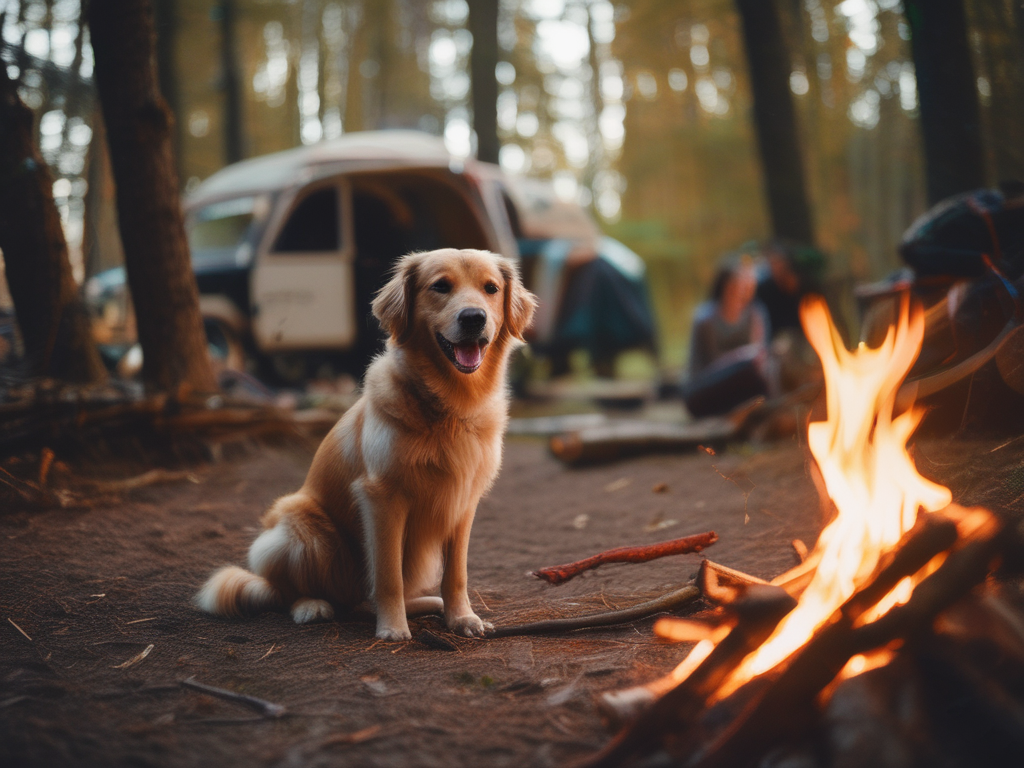
Relaxing by the Fire

At the end of the day, snuggle up by the campfire. Make sure to keep your dog at a safe distance from the flames.

Camping with Your Dog: The Ultimate Guide to a Paw-some Adventure

Engaging in these activities ensures that your dog has as much fun as you do. As you enjoy your time outdoors, remember to respect nature and practice responsible camping.

Leave No Trace

Respect nature by following the Leave No Trace principles. This includes picking up after your dog, sticking to trails, and minimizing your impact on the environment. By doing so, you help ensure that the great outdoors remain beautiful and accessible for everyone.

Final Thoughts

Camping with your dog is a wonderful way to explore the outdoors and strengthen your bond. With the right preparation and mindset, you’ll create an adventure that’s fun and safe for both of you. So pack your gear, grab your leash, and hit the trails. Happy camping!

Remember, the key to a successful camping trip with your dog is preparation, patience, and plenty of treats. Embrace the adventure, enjoy the moments, and make memories that will last a lifetime. However, this guide is not a substitute for professional veterinary advice. Always consult with your vet for specific health needs and recommendations for your pet.

For more tips and updates, subscribe to our newsletter, follow us on social media, and share your camping stories in the comments below. We’d love to hear about your adventures! Happy trails!

Posted on — Leave a comment

How to Style Your Dog 101: A Guide to Dog Fashion Essentials

Welcome, fellow canine aficionados, to the ultimate journey on how to style your dog and explore the fabulous realm of doggie fashion! Whether your furry friend is a fashionista or a laid-back pooch, there’s something in the wardrobe for every pup to strut their stuff. So, grab your puppuccino, snuggle up with your four-legged pal, and let’s dive into this stylish adventure!

Essentials Every Dog Must Have:

How to Style Your Dog 101: A Guide to Dog Fashion Essentials

Every pup deserves to have their wardrobe essentials on paw, just like their human counterparts! From statement collars to stylish apparel, these essentials not only elevate your pup’s fashion game but also ensure their comfort and safety. Let’s dive into the must-have items that every dog should have in their closet!

A Snazzy Dog Collar:

Think of it as your pup’s statement necklace! A sturdy, comfortable collar is not only a fashion statement but also a safety must-have.

Here are a select few options for your dog’s outfit.

Classic leather dog collar | Dog Fashion | Official Dog Parents
Personalized dog collar | Dog Fashion | Official Dog Parents
Reflective dog collar | Dog Fashion | Official Dog Parents
Classic Leather Dog Collars:

Timeless and durable, leather collars like the Blueberry Pet Essentials are both stylish and functional.

Personalized Dog Collars:

Add a touch of flair with personalized collars featuring your pup’s name or contact information, like those from Orvis.

Reflective Dog Collars:

Keep your pup safe during nighttime walks with reflective collars such as the GoTags.

Paw-some Dog Apparel

Dog apparel takes your pup’s wardrobe to the next level, adding a fun and unique touch to their everyday look. Whether you’re looking to showcase their personality or dress them up for special occasions, these stylish outfits are sure to make your furry friend stand out from the pack.

Cozy dog sweaters | Dog Fashion | Official Dog Parents
Lightweight dog tees | Dog Fashion | Official Dog Parents
Dog rain jackets | Dog Fashion | Official Dog Parents
Cozy Dog Sweaters:

Perfect for chilly days, cozy sweaters like the Fitwarm Knitted Sweater provide warmth and style.

Lightweight Dog Tees:

Keep it casual with lightweight tees such as the EXPAWLORER Cotton Shirt for summer outings.

Dog Rain Jackets:

Stay dry during rainy weather with water-resistant jackets like the Ellie Dog Wear Raincoat.

Paw-tective Dog Footwear:

Dog shoes aren’t just a practical necessity—it’s a way to add an extra flair to your pup’s ensemble. From durable boots to cute shoes, these accessories keep your dog’s paws safe while adding a stylish touch to their overall look.

All weather dog shoes | Dog Fashion | Official Dog Parents
Anti-slip dog socks | Dog Fashion | Official Dog Parents
Breathable dog shoes | Dog Fashion | Official Dog Parents
All-Weather Dog Boots:

Protect your pup’s paws from hot pavement and icy surfaces with all-weather boots like Ruffwear Grip Trex.

Anti-Slip Dog Socks:

Provide traction indoors with anti-slip socks such as PUPTECK Dog Socks.

Breathable Dog Shoes:

Keep paws cool and comfortable during summer walks with breathable shoes like QUMY Dog Shoes.

All Season Dog Fashion Essentials

All season essentials ensure that your pup is always dressed appropriately, no matter what the weather brings. From cozy winter wear to breezy summer outfits, these items keep your furry friend comfortable and stylish throughout the year.

Here are some must-haves for every season:

Winter Wonderland Attire

Keep your pup warm and stylish during the frosty winter months with our must-have winter wonderland attire. From cozy jackets to snug sweaters, these essentials ensure your furry friend stays toasty and trendy all season long. Here are some winter essentials for your dog.

Fleece jackets for dogs | Dog Fashion | Official Dog Parents
Insulated parka jackets for dogs | Dog Fashion | Official Dog Parents
Knitted sweaters for dogs | Dog Fashion | Official Dog Parents
Fleece-Lined Jackets:

Stay warm and cozy with fleece-lined jackets like the Kurgo Loft Jacket.

Insulated Parkas:

Brave the cold in style with insulated parkas such as the Canada Pooch Expedition Coat.

Knit Sweaters:

Embrace the holiday spirit with festive knit sweaters like the Blueberry Pet Fair Isle Sweater.

Summer Chic:

Help your pup stay cool and fashionable during the sizzling summer months with our summer chic essentials. From breathable fabrics to stylish sun hats, these items ensure your furry friend beats the heat in style. Here are some summer essentials for your dog.

Cooling vests for dogs | Dog Fashion | Official Dog Parents
Sun hats for dogs | Dog Fashion | Official Dog Parents
Mesh harness for dogs | Dog Fashion | Official Dog Parents
Cooling Vests:

Beat the heat with cooling vests like the Ruffwear Jet Stream Vest.

Sun Hats:

Protect your pup’s face from the sun with adorable sun hats such as the Canada Pooch Cooling Hat.

Mesh Harnesses:

Keep pups cool and comfortable with breathable mesh harnesses like the Puppia Soft Dog Harness

Spring Fling Fashion:

Embrace the fresh and vibrant spirit of spring with our spring fling fashion picks for your pup. From floral patterns to lightweight raincoats, these stylish pieces will have your furry friend ready for any spring adventure. Here are some spring essentials for your dog.

Dresses for dogs | Dog Fashion | Official Dog Parents
Light Raincoat for dogs | Dog Fashion | Official Dog Parents
Bandanas for dogs | Dog Fashion | Official Dog Parents
Floral Dresses:

Embrace the season with floral-print dresses like the Fitwarm Floral Dog Dress.

Lightweight Raincoats:

Stay dry in style with lightweight raincoats such as the Ethical Pet Fashion Rainy Days Slicker.

Pastel Bandanas:

Add a pop of color with pastel bandanas like the Blueberry Pet Spring Bandana Set.

Fall Fashionista:

As the leaves change colors, it’s time to embrace the cozy and stylish vibes of fall with our fall fashionista essentials for your furry friend. From plaid scarves to corduroy jackets, these chic pieces will keep your pup looking fabulous all season long. Here are some fall essentials for your dog.

scarves for dogs | Dog Fashion | Official Dog Parents
Plaid Scarves:

Cozy up in style with plaid scarves like the Blueberry Pet Fall Scarf.

Corduroy Jackets:

Channel autumn vibes with corduroy jackets such as the Hurtta Casual Quilted Jacket.

Wool Sweaters:

Stay warm and fashionable with wool sweaters like the Chilly Dog Cable Knit Sweater.

As we’ve seen, dog fashion isn’t just about looking good—it’s about expressing your pup’s personality, keeping them comfortable in all weather conditions, and strengthening the bond between pet and owner.

That’s all folks! As we wrap up our journey through the fabulous world of dog fashion, we hope you’ve found plenty of inspiration to dress your furry friend in style for every season and occasion. From essential collars and apparels all season outfits, there’s a world of fun and fashion waiting for you and your pup. We’d love to hear your thoughts and see your stylish pups, so feel free to share in the comments below. And don’t forget to subscribe to our newsletter to stay up-to-date with the latest trends and tips in dog fashion. Here’s to happy tails and stylish trails!

Posted on — Leave a comment

How to Fly with Fido: A Comprehensive Guide to Air Travel with Dogs

dog in a crate flying in an airplane

Welcome aboard, fellow canine enthusiasts and jet-setting dog parents! If you’ve ever dreamed of soaring through the clouds with your furry best friend by your side, you’re in for a treat. In today’s blog, we’re unleashing the ultimate guide to air travel with dogs. From pre-flight preparations to in-flight essentials and everything in between, we’ve got you covered like a cozy doggy blanket. So fasten your seatbelts (or should I say, leash), because we’re about to embark on an adventure to explore how to fly with dogs!

Navigating the Skies: Things to Consider When Flying with Dogs

Flying with Dogs

First things first, let’s talk logistics. Flying with your four-legged companion requires careful planning and consideration. Before you book those tickets, consider these important factors:

Health and Wellness:

Your furry friend’s well-being is top priority. Schedule a visit to the vet for a thorough check-up before takeoff. Ensure your dog is up-to-date on vaccinations and is in good health for travel.

Size Matters:

Airlines have different regulations regarding pet size and breed restrictions. Be sure to research these guidelines beforehand to avoid any last-minute surprises. Measure your dog’s dimensions accurately to ensure they meet the requirements for in-cabin travel or to determine if they’ll need to travel as checked baggage or cargo.

Comfort is Key:

Invest in a comfortable and airline-approved dog carrier that allows your furry friend to stand, turn around, and lie down comfortably. Think of it as their first-class suite in the sky! Introduce your dog to the carrier well in advance of your trip to help them acclimate and associate it with positive experiences.

Climate Control:

Consider the temperature and weather conditions at your destination. Some airlines may restrict pet travel during extreme temperatures to ensure your dog’s safety and well-being. Plan your travel dates accordingly to avoid any weather-related complications.

Remember, a little preparation goes a long way when it comes to ensuring a smooth and stress-free journey for you and your canine co-pilot.

Essential Things You Need When Flying with Dogs

Air travel with dogs

Now that you’ve dotted your i’s and crossed your t’s, it’s time to pack for your dog’ first flight. Here are some essential items to include in your dog travel kit:

Identification and Documentation:

Keep your dog’s ID tags and travel documents handy at all times. This includes proof of vaccinations, health certificates, and any necessary permits. It’s also a good idea to carry recent photographs of your dog in case they become separated from you during travel.

Comfort Items:

Pack familiar items such as favorite toys, blankets, and bedding to help ease any anxiety or discomfort during the flight. Familiar scents can provide a sense of security and reassurance for your pooch in unfamiliar surroundings.

Food and Water:

Bring along plenty of food and water to keep your dog hydrated and satisfied throughout the journey. Opt for portable bowls and spill-proof containers for easy access. Consider feeding your dog a light meal a few hours before departure to prevent any potential stomach upset during the flight.

Medical Supplies:

Don’t forget to pack any necessary medications or first-aid supplies in case of emergencies. It’s better to be safe than sorry! Consult with your vet prior to travel to discuss any specific health concerns or precautions for your dog.

With these essential items in tow, you’ll be well-prepared to tackle any airborne adventures with your furry friend in tow.

Rules of the Sky: Airline Regulations for Flying with Dogs

Air travel with dogs

Before you embark on your high-flying adventure, it’s crucial to familiarize yourself with the rules and regulations set forth by popular airlines, particularly considering the distinctions between domestic and international flights. For the purpose of this blog, we’ve researched airline regulations for flying with dogs in North America. However, it’s important to note that these regulations may vary depending on your departure and destination locations.

Domestic flights typically involve shorter travel times and fewer regulations compared to international journeys. For domestic flights, you may find more flexibility in cabin pet policies, with some airlines allowing small dogs to travel in the cabin with you for a fee. However, when crossing international borders, regulations become more stringent. International flights may require additional documentation, such as health certificates and import permits, to comply with the destination country’s requirements. Additionally, quarantine regulations and restrictions on certain breeds may apply, depending on the destination. For example, countries like the United Kingdom have specific regulations regarding the entry of certain dog breeds, such as Pit Bull Terrier and Japanese Tosas. It’s crucial to research and prepare well in advance when flying internationally with your dog to ensure a smooth and hassle-free journey for both you and your furry companion.

Here are the regulations for popular airlines in North America:

American Airlines:

American Airlines allows small dogs and cats to travel in the cabin for a fee, provided they meet size and weight restrictions. Larger pets may be transported as checked baggage or cargo, subject to additional fees and regulations. Advance reservations are required for all pet travel. Check out American Airlines’ pet travel policy here.

Delta Air Lines:

Delta welcomes small dogs, cats, and household birds in the cabin for a fee, with certain breed and size restrictions. Larger pets may be transported as checked baggage or cargo, depending on the route and aircraft type. Pets must be at least 10 weeks old for domestic travel and 16 weeks old for international travel. Get more information on Delta Air Lines pet travel policy here.

United Airlines:

United Airlines permits small dogs and cats to travel in the cabin for a fee, subject to size and weight limitations. Larger pets may be transported as checked baggage or cargo, with additional fees and restrictions. Pets must be at least 8 weeks old and fully weaned to travel. Check out United Airlines’ pet travel policy here.

Air Canada:

Air Canada allows small dogs and cats to travel in the cabin for a fee, provided they meet size and weight restrictions. Larger pets may be transported as checked baggage or cargo, subject to additional fees and regulations. Advance reservations are required for all pet travel on Air Canada flights. Get more information on Air Canada pet travel policy here.

Be sure to contact your preferred airline directly for specific guidelines and requirements pertaining to pet travel. By adhering to these regulations and guidelines, you can ensure a safe and comfortable journey for you and your furry companion.

Frequently Asked Questions (FAQs) About Flying with Dogs

Flying with your dog can raise some common questions and concerns. We’ve compiled the answers to a few frequently asked questions that might be going through your mind right now:

Can my dog sit with me in the passenger cabin?

Many airlines allow small dogs to travel in the cabin with their owners for a fee, as long as they meet size and weight restrictions. However, larger dogs may need to travel as checked baggage or cargo.

Can my dog sit on my lap during the flight?

Most airlines require dogs to remain in their approved travel carrier or crate for the duration of the flight, including takeoff and landing. This is for the safety of both your dog and other passengers. However, some airlines may allow small dogs to be held on your lap during the flight if they fit comfortably and remain secured with a harness or leash. Be sure to contact your airline directly for specific requirements pertaining to your dog.

What if my dog gets anxious during the flight?

It’s normal for pets to feel anxious in new environments. Bringing along familiar items like toys, blankets, and treats can help comfort your dog during the flight. Additionally, consult with your vet about potential anxiety-relief strategies or medications.

How do I prepare my dog for the flight?

Start by getting your dog accustomed to their travel carrier well in advance of the trip. Take short car rides or practice carrying them around in the carrier to help them feel more comfortable. Additionally, ensure your dog is up-to-date on vaccinations and has a recent health check-up before flying. Read this blog from the top for detailed tips.

Can I feed my dog during the flight?

It’s generally recommended to avoid feeding your dog a large meal right before the flight to prevent any potential stomach upset. However, you can offer small snacks or treats to keep them hydrated and satisfied throughout the journey.

What if my dog needs to relieve themselves during the flight?

Most airlines don’t have designated pet relief areas on board, so it’s essential to plan ahead. Take your dog for a bathroom break before boarding the flight and consider using puppy pads or disposable liners in their carrier in case of emergencies.

By addressing these common questions, you can alleviate some of the uncertainties associated with flying with your furry companion and ensure a smoother travel experience for both of you.

And there you have it, fellow doggy adventurers – the ultimate guide to air travel with our beloved furry companions! Whether you’re soaring through the clouds for a cross-country escapade or jetting off to a paw-some vacation spot, these tips and tricks are your ticket to a smooth and stress-free journey with your canine co-pilot. Now, we want to hear from you! Share your woof-tastic travel tales, paw-some tips, and heartwarming stories that could help fellow dog parents on their adventures. Let’s make air travel with dogs as joyful and wag-tastic as possible! And hey, don’t forget to subscribe to our newsletter for more tail-wagging content and doggy adventures straight to your inbox. Happy travels, fur-friends!

Posted on — Leave a comment

Easy Homemade Dog Food Recipes Guaranteed to Get Your Puppy’s Tail Wagging!

Hey there, fellow pet pals! Let’s talk about doggy dining! We all want what’s best for our four-legged friends, right? And when it comes to their well-being, nothing beats a wholesome diet. Sure, those big bags of commercial dog food might seem convenient, but what about giving your furry buddy something truly special? That’s where homemade dog food meals come in – they’re like the gourmet feast for your pup! Buckle up because in this guide, we’re diving deep into the delicious world of homemade dog food recipes. We’ll dish out the deets on why it’s paw-some, and best of all, we’ve whipped up top five easy homemade dog food recipes that’ll have your pup licking their chops in anticipation! So, grab your apron and let’s get cooking – because nothing says “I woof you” quite like a homemade meal!

Unleashing the Benefits of Homemade Dog Food Recipes for Your Pooch

Before we dive into the kitchen and whip up some canine culinary delights, let’s sniff out why homemade dog food is the top dog choice for your furry friend’s health and happiness.

Total Ingredient Control

Picture this: You’re the master chef in your dog’s kitchen kingdom, wielding the spatula of ingredient control like a wizard with their wand. When you craft your pup’s meals at home, you’re the gatekeeper, ensuring only the finest, freshest ingredients make it into their bowl. Say goodbye to mystery additives, artificial doodads, and sketchy fillers that lurk in some commercial dog foods. With homemade meals, it’s all about quality, baby!

Customized Nutrition

Just like us humans, our fur babies come in all shapes, sizes, and health profiles. From petite poodles to hefty hounds, every pup has their own unique dietary needs. By whipping up meals in your kitchen kingdom, you become the ultimate nutrition guru, tailoring every bite to suit your dog’s individual requirements. Whether they need a protein-packed power-up or a low-cal munch, homemade meals are like a bespoke suit tailored just for them!

Nutritional Freshness and Digestibility

Fresh is best, right? When you cook up a storm for your pup, you’re serving up a feast of freshness that’s bursting with flavor and nutrients. No more mystery meat or questionable filler – just wholesome goodness straight from the pantry to the bowl. Plus, fresh ingredients are easier on your puppy’s tummy, promoting better digestion and nutrient absorption.

Enhanced Bonding

Ever heard the saying, “The way to a dog’s heart is through their stomach”? Well, it’s true! Cooking for your dog isn’t just about filling their belly – it’s a gesture of love, a culinary cuddle that deepens the bond between you and your best bud. Sharing a meal that you’ve lovingly crafted creates a moment of connection, a shared experience that’ll have tails wagging and hearts melting. It’s like a cozy cuddle session, but with a side of kibble!

Reduced Health Risks

Let’s face it – the world can be a scary place, especially when it comes to keeping our pets safe and sound. With recalls and health scares lurking around every corner, it’s no wonder pet parents are turning to homemade meals for peace of mind. By taking the reins in the kitchen, you’re minimizing the risk of exposing your pup to harmful substances or dodgy ingredients. In the end it’s you who has to put on a superhero cape and swoop in to save the day – one delicious meal at a time!

So there you have it, folks – the bark-tastic benefits of homemade dog food! Get ready to unleash your inner chef and treat your pup to a culinary adventure they’ll never forget!

Get Ready to Drool: Dive into our top five easy homemade dog food recipes!

Alright, fellow doggy chefs, it’s time to roll up those sleeves and unleash your inner culinary genius! We’ve scoured the canine cookbook (yes, that’s a thing!) to bring you five mouthwatering recipes that’ll have your pup’s tail wagging with joy. From savory stews to pup-approved bowls, each recipe is crafted with love and packed full of nutrients to keep your furry friend happy, healthy, and begging for seconds. So grab your apron, sharpen those knives, and get ready to cook up a storm – because mealtime just got a whole lot tastier for your four-legged pal!

Chicken and Sweet Potato Delight

Easy homemade dog food recipe - shredded chicken and mashed potato

Ingredients:

– 1 cup boneless, skinless chicken breast (cooked and shredded)

– 1/2 cup cooked sweet potato (mashed)

– 1/4 cup cooked carrots (finely chopped)

– 1 tablespoon olive oil

– 1/4 teaspoon fish oil (optional, for a glossy coat)

Instructions:

  • Cook the chicken thoroughly until it’s no longer pink. Shred it into small, bite-sized pieces.
  • Steam or boil the sweet potato and carrots until they’re tender. Mash the sweet potato and finely chop the carrots.
  • In a mixing bowl, combine the shredded chicken, mashed sweet potato, chopped carrots, olive oil, and fish oil if using.
  • Mix the ingredients until they’re well-blended. Allow the mixture to cool before serving.

Nutritional Information:

  • Protein: Approximately 25g
  • Carbohydrates: Approximately 15g
  • Fiber: Approximately 3g
  • Fat: Approximately 6g
  • Calories: Approximately 220 kcal

Beef and Vegetable Stew

Easy home made dog food recipe beef and vegetable stew

Ingredients:

– 1/2 cup lean ground beef

– 1/4 cup cooked brown rice

– 1/4 cup cooked peas

– 1/4 cup cooked carrots (diced)

– 1/4 cup cooked green beans (chopped)

– 1 teaspoon coconut oil

Instructions:

  • In a pan, cook the lean ground beef until it’s fully browned. Drain any excess fat.
  • Prepare the brown rice according to the package instructions.
  • Boil or steam the peas, diced carrots, and chopped green beans until they’re tender.
  • In a mixing bowl, combine the cooked ground beef, cooked brown rice, cooked peas, cooked carrots, chopped green beans, and coconut oil.
  • Mix everything thoroughly. Allow the stew to cool down before serving.

Nutritional Information:

  • Protein: Approximately 20g
  • Carbohydrates: Approximately 20g
  • Fiber: Approximately 4g
  • Fat: Approximately 8g
  • Calories: Approximately 280 kcal

Fish and Quinoa Medley

Easy homemade dog food recipe Fish and Quinoa Medley

Ingredients:

– 1/2 cup cooked white fish (flaked)

– 1/4 cup cooked quinoa

– 1/4 cup cooked spinach (chopped)

– 1/4 cup cooked broccoli (chopped)

– 1/4 teaspoon turmeric

Instructions:

  • Cook the white fish until it’s fully cooked and can be easily flaked with a fork.
  • Prepare the quinoa according to the package instructions.
  • Steam or boil the spinach and broccoli until they’re tender.
  • In a bowl, combine the flaked white fish, cooked quinoa, chopped spinach, chopped broccoli, and a pinch of turmeric.
  • Mix the ingredients well. Allow the medley to cool before serving.

Nutritional Information:

  • Protein: Approximately 15g
  • Carbohydrates: Approximately 20g
  • Fiber: Approximately 4g
  • Fat: Approximately 5g
  • Calories: Approximately 210 kcal

Turkey and Pumpkin Casserole

Ingredients:

– 1/2 cup lean ground turkey

– 1/4 cup canned pumpkin puree (100% pure pumpkin, not pie filling)

– 1/4 cup peeled and diced apples

– 1/4 cup cooked green peas

– 1/4 teaspoon dried rosemary

Instructions:

  • Brown the lean ground turkey in a pan until it’s fully cooked. Drain any excess fat.
  • In a mixing bowl, combine the cooked ground turkey, pumpkin puree, diced apples, cooked green peas, and dried rosemary.
  • Mix all the ingredients thoroughly. Allow the casserole to cool before serving.

Nutritional Information:

  • Protein: Approximately 18g
  • Carbohydrates: Approximately 15g
  • Fiber: Approximately 5g
  • Fat: Approximately 6g
  • Calories: Approximately 230 kcal

Egg and Oat Breakfast Bowl

Easy homemade dog food recipe Egg and oatmeal breakfast bowl

Ingredients:

– 1 egg (scrambled)

– 1/4 cup cooked oats

– 1/4 cup mashed blueberries

– 1/4 teaspoon honey (optional)

– 1/4 teaspoon chia seeds

Instructions:

  • Scramble the egg in a pan until fully cooked.
  • Prepare the oats according to the package instructions.
  • Mash the blueberries to create a smooth texture.
  • In a mixing bowl, combine the egg, cooked oats, mashed blueberries.
  • Mix all the ingredients thoroughly. Add honey and chia seeds over the top before serving.
  • Tip: You can also sprinkling bacon bits on the top.

Nutritional Information:

  • Protein: Approximately 8g
  • Carbohydrates: Approximately 25g
  • Fiber: Approximately 4g
  • Fat: Approximately 5g
  • Calories: Approximately 200 kcal

Well, fellow dog-loving chefs, we’ve reached the end of our culinary journey – but fear not, the adventure doesn’t have to stop here! As you embark on your homemade dog food adventures, we’d love to hear from you. Do you have any homemade dog food recipes that your pup goes mutts over? Or perhaps some insights into tailoring meals to suit specific dietary needs? Share your thoughts and recipes with us, and who knows, they might just be featured in an upcoming blog post! Simply reach out to us using the contact forms on our website.

And hey, if you’re hungry for more canine culinary inspiration, don’t forget to check out the wealth of resources available on our website. From tips and tricks to tantalizing recipes, there’s something for every pup parent looking to serve up a feast fit for a king – or should we say, a canine!

Before you get cooking, a word of caution: please remember to consider your dog’s dietary restrictions and allergies when using the recipes shared. Every pup is unique, and what’s delicious for one might not sit well with another. Additionally, feel free to add your own flavor to the recipes based on your dog’s preferences – after all, variety is the spice of life, even for our furry friends! And remember, if you have any concerns or questions about your dog’s diet, don’t hesitate to consult your veterinarian for expert advice and guidance.

For the latest updates and exclusive content, be sure to subscribe to our monthly newsletter. It’s packed full of pup-approved goodies that’ll have tails wagging and taste buds tingling. Until next time, happy cooking, and may your pup’s bowl always be filled with love, laughter, and delicious homemade delights!