Posted on — Leave a comment

Dog Dental Care: The Secret to a Happy Smile

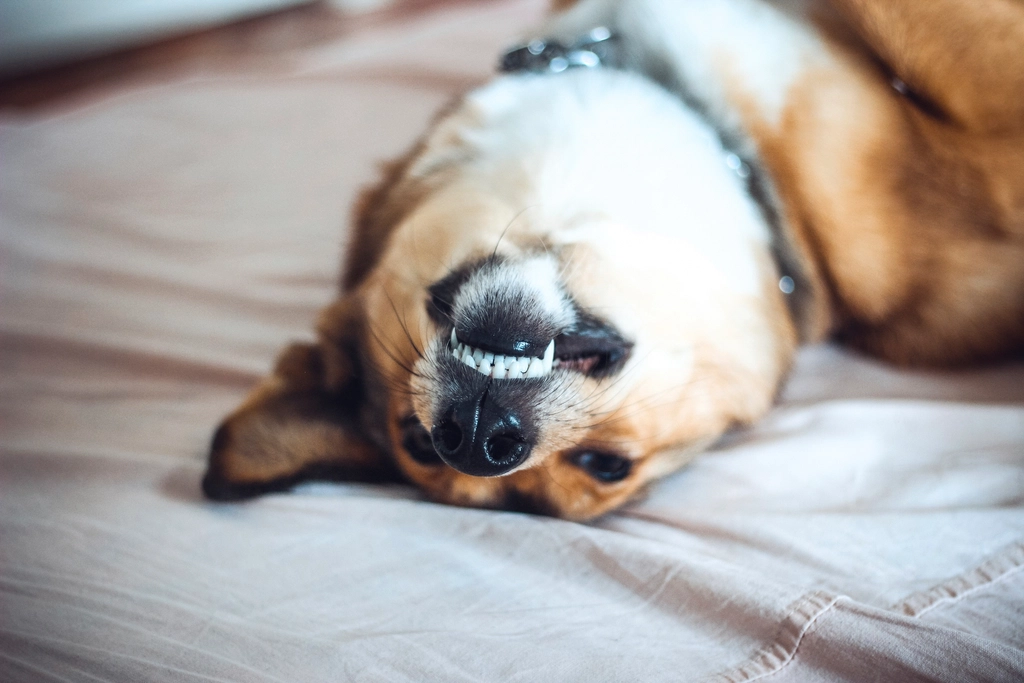
Free dog lying bed showing dog dental care


Hey there, fellow pet parents! Have you ever caught a glimpse of your furry friend’s teeth and had a mini crisis? Did it make you wonder if they’re getting enough dental TLC? Dogs, bless their hearts, aren’t immune to dental dilemmas. They’ve got their own version of plaque parties and tartar troubles. But fret not, dear reader! Think of us as your canine dental superheroes, swooping in to save the day with a guide that’s more exciting than a treasure map and more satisfying than a belly rub. We’re about to embark on an adventure through the whimsical world of dog dental care, where sparkling chompers and ear-to-ear smiles await!

Before we dive into the world of dog dental care, don’t forget to share your own experiences in the comments below—let’s spread those wag-worthy tips together

Getting Down to Brushing Basics

First things first, let’s chat about brushing. Now, I know what you’re thinking: “Brushing a dog’s teeth? Is that even possible?” Well, fear not! With a little patience and the right approach, it’s totally doable. 

Imagine this: you’re introducing your pup to the concept of brushing teeth as if you’re introducing them to their favorite treat. Start slow, let them get a taste of that toothpaste. And speaking of toothpaste, make sure it’s the dog-friendly kind. We don’t want any minty mayhem here!

Techniques to encourage your dog to enjoy tooth brushing

  • Doggie Toothbrush Bootcamp: Think of toothbrushing as a fun training exercise for your pooch. Start slow, with a little toothpaste on your finger for a taste test. It’s like introducing them to a new flavor of ice cream—minus the brain freeze!
  • Brushing Buddies: Get your pup their very own toothbrush and toothpaste duo, specially crafted for their canine grin. These brushes are like tiny superheroes, ready to swoop in and save the day, bristles and all!
  • Gentle as a Puppy Kiss: When wielding the toothbrush, channel your inner dog whisperer with gentle circular motions. It’s like giving your dog’s teeth a spa day, focusing on those tricky spots where plaque loves to party.
  • Consistency is Key: Just like your morning coffee routine, make brushing a habit by doing it two to three times a week. Stick to the schedule like your dog sticks to your side during dinnertime—it’s all about loyalty!
  • Praise and Treats Galore: Shower your pup with love and rewards during brushing sessions, like they’ve just performed the best trick in the book. It’s like being their personal cheerleader, celebrating each sparkling tooth like it’s a gold medal!


Just like mastering a new trick, getting your pup comfortable with toothbrushing takes time and patience. If they’re putting up a fight or showing signs of stress, don’t throw in the towel! Call in the reinforcements—veterinarians and professional dog trainers are like the Avengers of the canine world, ready to swoop in and save the day with expert guidance and a sprinkle of magic dust!

Chew on This: Chews, Toys, and Treats

Now, let’s add some fun to the mix! Dental chews, toys, and treats are not only enjoyable for your pup but also super beneficial for their oral health. Step up your pup’s dental game with a chewy twist! From dental bones to rawhide alternatives, these chews aren’t just for entertainment—they’re like a secret agent, sneakily banishing plaque and tartar with each satisfying gnaw.

  • Toys That Brush & Play: Who says toys are just for fun? Dive into the world of interactive toys with built-in bristles or textures, where playtime doubles as a dental spa day. It’s like giving your dog a gym membership and a toothbrush rolled into one!
  • Treat Yo’ Dog Right: Treat your pup to dental delights with specially formulated treats that do more than just taste good. Think of them as mini mouthwash mints, packed with ingredients like chlorhexidine to keep bacteria at bay while satisfying those snack cravings.

Remember, size matters—choose chews, toys, and treats that match your dog’s chewing style and size to avoid any accidental choking hazards. And don’t forget to play toy inspector, keeping an eye out for wear and tear that could lead to dental disaster!

While these goodies are a great addition to your dog’s routine, they’re like sidekicks to the main hero—regular brushing and professional cleanings. Think of them as the Robin to Batman, working together to keep your pup’s smile shining bright and their oral health in tip-top shape!

Scrub-a-Dub-Dub: The Importance of Professional Cleanings

Now, let’s talk about the big leagues: professional cleanings. When it comes to your dog’s dental dazzle, a vet’s expertise is like having a fairy dogmother granting wishes for a sparkling smile.

Here’s why those professional cleanings are worth wagging about:

  • Annual Check-up Must-Haves: Just like your annual physical, schedule regular dental check-ups to keep your pup’s oral health in check. It’s like a VIP appointment, giving your vet a front-row seat to any dental drama before it turns into a full-blown saga.
  • Scaling & Polishing Magic: Picture professional cleanings as a toothy makeover for your furry friend! With specialized tools, your vet works their magic, banishing plaque and tartar buildup from every nook and cranny. It’s like a dental dance party—except the only moves are polish and shine!
  • Anesthesia: The Stress-Free Secret Sauce: Anesthesia might sound scary, but for your furry friend, it’s like a snooze button for dental anxiety. With your pup in dreamland, your vet can work their cleaning wizardry without a single whimper. It’s like a dental cleaning with a side of beauty sleep!
  • All-Access Oral Exam: During the cleaning extravaganza, your vet conducts a thorough oral investigation. It’s like CSI: Canine Dental Edition, searching for clues to gum disease, tooth decay, or any sneaky oral villains. Talk about a detective dog!
  • X-Ray Vision for Dental Dilemmas: Sometimes, even superheroes need X-ray vision. Your vet might snap some dental X-rays to uncover any lurking toothy troubles, like secret root abscesses or jawbone shenanigans. It’s like seeing beneath the surface to ensure your dog’s dental fortress is standing strong!

Remember, even if you’re a dental dynamo at home, professional cleanings are like the cherry on top of the dental sundae—essential for that extra sparkle. So, talk to your vet about crafting a dental cleaning schedule tailored to your pup’s individual needs. With their expertise and your TLC, your furry friend will be flashing those pearly whites like a true dental diva!

Diet Do’s and Don’ts

Ah, the importance of a good diet. It’s not just about what goes in their bellies but also what goes in their mouths! Let’s dish up some dental wisdom for your furry friend’s dinner plate! Here are some tasty tidbits to keep those chompers in tip-top shape:

  • Quality Counts: Treat your pup to top-notch doggy cuisine endorsed by the canine culinary connoisseurs. Think of it as serving up Michelin-star meals for your four-legged foodie, complete with the seal of approval from veterinary dental associations.
  • Size Matters: Go big or go home when it comes to kibble! Opt for pieces designed to give those teeth a workout, like the doggy version of lifting weights. It’s like a gym session for their jaws—minus the sweatbands!
  • Say No to Sugar Rushes: Keep those sugary temptations at bay, just like you do for your own sweet tooth. After all, nobody wants a cavity-prone canine with a penchant for dessert!
  • Veggie Vibes: Who says veggies are just for humans? Throw some crunchy carrots or green beans into the mix, giving your dog a veggie-packed dental delight. It’s like serving up a salad bar for your pooch, with a side of toothbrush action.

So, next time you’re dishing up dinner for your furry friend, remember to sprinkle in some dental magic. With a balanced diet fit for a canine king or queen, your pup will be munching their way to dental bliss in no time!

H2O Heroics for Your Hound:

Last but not least, we’re spilling the tea on water additives. Learn how these simple solutions can freshen breath and fend off plaque, all with just a splash in your pup’s water bowl.

Here’s the lowdown:

  • Liquid Gold: Picture water additives as a magic potion for your dog’s dental woes. They’re like adding a secret ingredient to your pup’s drinking bowl—a recipe for dental success!
  • Plaque Party Poopers: These additives pack a punch with enzymes and antimicrobial agents, fighting plaque and tartar buildup like knights defending a castle. It’s like sending in the cavalry to keep those teeth gleaming and breath fresh as a daisy.
  • Dosage Drama: Just like following a recipe, stick to the recommended dosage to avoid any dental disasters. It’s like measuring out ingredients for a gourmet meal—precision is key!
  • Teamwork Makes the Dream Work: While water additives lead the charge in dental care, they’re more like the dynamic duo of peanut butter and jelly, complementing brushing for a tag-team triumph in dental hygiene. It’s all about that perfect blend, creating a symphony of dental delight!
  • Vet Vet Vet: Before diving headfirst into the water additive pool, consult your trusty veterinarian for sage advice. Think of them as the wise wizards guiding you through the magical realm of canine dental care.

So, grab that water bowl and sprinkle in some dental magic! With water additives by your side, along with regular brushing, professional cleanings, and a few dental chews thrown into the mix, your pup will be smiling brighter than the sun in no time!

With these tricks up your sleeve, your furry friend’s smile will be brighter than a supernova! Remember, a little prevention goes a long way in the battle against dental drama. So, share your own dental tales with fellow pet parents and let’s keep those pearly whites shining! And hey, don’t forget to reach out to your trusty veterinarian for personalized advice—after all, they’re the dental wizards who make the magic happen! With a bit of TLC and a whole lot of brushing, your pup will be grinning ear to ear for years to come!

Posted on — Leave a comment

Winter Woofs 101: Keep Your Pup Cozy and Healthy!

As the temperatures drop and snow starts to fall, it’s important to consider the impact of the winter season on our beloved furry friends. Just like humans, dogs can experience a range of health issues during the colder months. From dry skin to joint pain, it’s crucial for dog owners to take extra care in ensuring their pup’s winter health is in top shape. In this blog post, we’ll explore some common winter health issues for dogs and provide tips on how to properly care for your canine companion during the chilly season. Let’s make sure our dogs stay happy and healthy with proper winter care!

Keeping Your Dog Active in Winter Months

Winter can be a challenging time to keep our furry friends active and entertained, but it’s crucial for their overall well-being. With colder temperatures and shorter daylight hours, dogs may experience a decrease in energy levels, which can lead to weight gain and other health issues. To combat this, there are several activities you can incorporate into your winter dog-care routine to ensure your pup stays active and happy.

First and foremost, bundle up and take your dog for a brisk walk or jog. This will not only help burn off excess energy but also keep their joints and muscles strong. Be mindful of their paws, as cracked paws can be painful and prone to infection. Consider using paw balm or protective booties to keep their feet safe from the cold and salty sidewalks.

Indoor activities are also great for keeping dogs active during the winter months. Set up a mini agility course using household items like cones, tunnels, and hurdles. Engage in interactive play sessions with toys that stimulate their mind and challenge their physical abilities. You can also try teaching them new tricks or obedience commands, which provide mental stimulation and physical exercise.

Prevent Winter Skin and Paw Issues for Your Pup

One of the most common health issues faced by dogs during winter time is dry and cracked skin, as well as paw problems. Cold and dry air can strip the natural oils from your dog’s skin, leaving it itchy, flaky, and prone to infections. To prevent winter skin and paw issues, it’s important to prioritize winter dog-care.

First, ensure your dog’s coat is well-moisturized. Consider adding a fatty acid supplement to their diet or using a moisturizing shampoo specifically formulated for dogs. This will help nourish their skin and keep it healthy.

Regular grooming is also crucial in preventing skin issues. Brushing your dog’s coat will help distribute their natural oils, keeping their skin hydrated. Additionally, keep their paws clean and dry after walks to avoid moisture buildup and potential infections.

During winter walks, be cautious of salt and chemicals used to melt ice on sidewalks. These substances can irritate your dog’s paws, so wipe them off after every walk or consider using protective booties.

Lastly, don’t forget about flea and tick prevention during winter. While these pests may be less active, they can still pose a threat to your dog’s health. Consult with your veterinarian for the best flea and tick prevention options for your furry friend.

Beware of Antifreeze and Other Winter Chemicals

Winter can be a treacherous time for our furry friends, and other than the cold temperatures we should be aware about antifreeze and other winter chemicals that can pose serious threats to our dogs’ health. Antifreeze contains ethylene glycol, which is highly toxic and can be fatal if ingested by dogs. Unfortunately, its sweet taste can be enticing to them.

To protect your pup, make sure to keep antifreeze and other winter chemicals stored securely and out of reach. Clean up any spills immediately, as even small amounts can be harmful. Consider using pet-friendly antifreeze alternatives, or opt for propylene glycol-based antifreeze, which is less toxic.

Additionally, be mindful of other winter chemicals, such as ice melt and deicers, which can irritate your dog’s paws and cause discomfort. Take precautions to keep your pup safe during winter, and prioritize their organic healthcare. Your furry friend will thank you with tail wags and wet nose kisses.

Winter Diet: Feeding Your Dog Right When It’s Cold Outside

Just like humans, dogs may experience a decrease in activity levels during the colder months, which can lead to weight gain if their diet isn’t adjusted accordingly. It’s important to provide your furry friend with a balanced and nutritious winter diet to ensure their health and well-being.

Consider adjusting your dog’s food portions based on their activity level. If they are less active in winter, you may need to reduce their portion sizes to prevent excessive weight gain. However, be careful not to drastically reduce their food intake, as they still need adequate nutrition to stay healthy.

Additionally, incorporate warming foods into their diet. Foods such as cooked lean meats, vegetables, and whole grains can provide extra warmth and energy during the colder months. You can also consider adding supplements, such as fish oil or omega-3 fatty acids, to promote a healthy coat and alleviate winter allergies.

Lastly, make sure your dog stays hydrated. Even though they may not feel as thirsty in colder weather, it’s still important for them to have access to fresh water at all times.

Protecting Your Dog’s Ears During Cold Weather Walks

During the winter months, it’s not just your dog’s paws and skin that need protection from the cold. Their ears can also be vulnerable to the harsh weather conditions. Just like humans, dogs can experience discomfort and even frostbite in their ears if not properly protected. To ensure your furry friend’s ears stay healthy during cold weather walks, consider using ear muffs or a doggy hat that covers their ears. These accessories will provide an extra layer of warmth and insulation.

If your dog is resistant to wearing anything on their head, you can also try massaging a small amount of petroleum jelly or paw balm onto their ears before going outside. This will help create a barrier against the cold and prevent chapping. Remember, a healthy dog is a happy dog, so don’t forget to prioritize their organic healthcare, including protecting their ears during winter walks.

Dealing with Doggy Dandruff in the Winter

During the winter months, our furry friends may experience dry and flaky skin, leading to the dreaded d-word: dandruff. Just like humans, dogs can suffer from this common winter issue, causing discomfort and itchiness. So, how can we deal with doggy dandruff in the winter?

First, make sure your pup’s skin stays moisturized. Consider using a gentle, moisturizing shampoo specifically formulated for dogs. This will help nourish their skin and prevent dryness. You can also add a fatty acid supplement to their diet to promote healthy skin.

Regular grooming is also important in preventing dandruff. Brush your dog’s coat regularly to remove any dead skin cells and distribute their natural oils. This will keep their skin hydrated and reduce flakiness.

If your dog’s dandruff persists or worsens, it’s important to consult with a veterinarian. They can determine if there are any underlying health issues contributing to the problem.

Managing Your Dog’s Cold-Weather Anxiety

Many dogs experience cold-weather anxiety, which can manifest in various ways. Some dogs may become more clingy and seek constant attention, while others may exhibit destructive behavior or excessive barking. This anxiety can be caused by a combination of factors, including changes in routine, decreased outdoor activity, and limited socialization opportunities.

To manage your dog’s cold-weather anxiety, it’s important to provide them with extra comfort and reassurance. Spend quality time with them, engage in calming activities such as gentle massages or puzzle toys, and create a cozy and safe space for them indoors. Consider using pheromone diffusers or calming supplements recommended by your veterinarian to help ease their anxiety.

Regular exercise is also crucial for dogs’ mental and physical well-being. Even in colder weather, make an effort to provide them with opportunities to burn off excess energy. This could include indoor play sessions, interactive toys, or agility exercises.

If your dog’s anxiety persists or worsens, it’s important to consult with a veterinarian or a professional dog behaviorist for further guidance. They can provide specialized recommendations tailored to your dog’s specific needs.

Frosty Potty Problems: Helping Your Dog with Winter Housetraining

The cold temperatures and icy conditions can make it difficult for your furry friend to do their business outside. As a result, you may find yourself dealing with some frosty potty problems. But don’t worry, there are solutions to help you and your dog navigate this winter hurdle.

One option is to create an indoor potty area for your pup. This could be as simple as setting up a designated spot in your home with puppy pads or artificial grass. Be sure to praise and reward your dog when they use the designated area to reinforce the behavior.

If your dog is brave enough to face the cold, be prepared to provide them with some extra encouragement. Bundle them up in a cozy sweater or jacket, and consider investing in booties to protect their paws from the icy ground. And don’t forget to reward them with treats and praise when they brave the elements to do their business outside.

Remember, patience is key when it comes to winter housetraining. Keep a close eye on your dog’s bathroom habits, and be consistent with your training methods. With time and perseverance, you and your pup will conquer these frosty potty problems together.

Soothing Your Dog’s Winter Joint Pain

Just like humans, dogs can experience discomfort and stiffness in their joints during the colder months. This can make it difficult for them to move around and enjoy their usual activities. To soothe your dog’s winter joint pain and ensure their comfort, there are a few things you can do.

First, make sure your dog stays warm and cozy. Provide them with a comfortable bed or blanket to sleep on, and consider using heated pet pads to provide extra warmth to their joints. Regular exercise is also important for maintaining joint health. While it may be tempting to cut back on outdoor activities, it’s crucial to keep your dog moving to prevent stiffness. Just be sure to bundle them up in a warm jacket or sweater to protect them from the cold.

Additionally, a balanced diet can play a role in easing joint pain. Talk to your vet about incorporating joint supplements, such as glucosamine and chondroitin, into your dog’s diet. These supplements can help reduce inflammation and improve joint function.

Lastly, consider alternative therapies to help alleviate joint pain. Physical therapy, acupuncture, and hydrotherapy can all provide relief and improve mobility for dogs with joint issues. Consult with your veterinarian to determine the best course of action for your furry friend.

Handling Frostbite and Hypothermia in a Snap

During the winter months, it’s crucial to keep a close eye on your dog’s health and well-being, especially when it comes to frostbites and hypothermia. These cold-weather hazards can pose serious risks to your furry friend, but with proper care, you can help keep them safe and comfortable.

First and foremost, pay attention to your dog’s behavior and look out for signs of shivering, lethargy, or excessive trembling. These can be indicators of hypothermia. If you notice any of these symptoms, bring your dog indoors immediately and warm them up with blankets or a heating pad set on low. You can also offer them warm fluids, such as diluted chicken broth, to help raise their body temperature.

To prevent frostbites, make sure your dog is dressed appropriately for the weather. Invest in a good quality dog coat or sweater that covers their vulnerable areas, such as the ears, tail, and paws. Limit your dog’s exposure to cold and windy conditions, and avoid taking them outside during extreme weather.

If you suspect your dog may have frostbite, examine their ears, paws, and tail for pale, gray, or discolored skin. If you notice any signs of frostbite, contact your veterinarian immediately for guidance on how to properly treat it.

In the wintertime, our pups need a little extra TLC to stay happy and healthy. So, keep a close eye on your furry friend and be on the lookout for signs like shivering or lethargy, which could indicate hypothermia. If your dog starts feeling the chill, bring them indoors pronto, wrap them in cozy blankets, and maybe even offer a warm cup of diluted chicken broth – they’ll appreciate the extra warmth.

And don’t forget the winter wardrobe – a stylish dog coat or sweater can make a world of difference in keeping your pup toasty and looking fabulous. With a little care and attention, you and your four-legged companion can navigate the winter months with ease.

Posted on — Leave a comment

Understanding Dog Insurance: Costs and Considerations for Pet Owners

As a devoted dog owner, ensuring the well-being and health of your furry friend is of utmost importance. One way to protect your pet and ease the financial burden of unexpected veterinary expenses is by investing in dog insurance. In this comprehensive guide, we will delve into the intricacies of dog insurance, including how it works, the associated costs, the importance of having insurance for your dog, and the crucial factors to consider when purchasing a policy.

Understanding Dog Insurance

When considering dog insurance, it’s essential to have a clear understanding of the different coverage options, reimbursement models, and how pre-existing conditions are handled.

Coverage Options:

  • Accident-Only Coverage: This type of policy focuses on providing coverage for injuries resulting from accidents. It includes incidents such as broken bones, bites, cuts, or ingestion of foreign objects. Accident-only coverage is ideal for dog owners who primarily want financial protection in case of unexpected accidents.
    Example: If your dog breaks a leg while playing at the park, the insurance policy will cover the veterinary expenses related to the accident.
  • Illness-Only Coverage: These policies are designed to cover medical expenses specifically related to illnesses. This includes conditions like allergies, infections, digestive disorders, or chronic diseases. Illness-only coverage is suitable for dog owners who want protection against the costs of long-term treatments and ongoing medical conditions.
    Example: If your dog develops a skin infection that requires medication and veterinary care, the insurance policy will reimburse you for the eligible expenses.
  • Comprehensive Coverage: Comprehensive plans offer the most extensive coverage by combining both accidents and illnesses. They provide a broader range of protection for your dog’s health and well-being. Comprehensive coverage is recommended for dog owners who want comprehensive coverage for various medical situations.
    Example: If your dog experiences an accident, such as ingesting a toxic substance, and subsequently develops a related illness, the insurance policy will cover the expenses for both the accident and the resulting illness.

Reimbursement Model:

  • Percentage-Based Reimbursement: Under this model, the insurance company reimburses a percentage of the eligible expenses you incur for your dog’s veterinary care. The reimbursement percentage typically ranges from 70% to 90%. You are responsible for paying the remaining percentage of the expenses out-of-pocket.
    Example: If your dog requires surgery that costs $1,000 and your insurance policy has a reimbursement rate of 80%, the insurance company will reimburse you $800, and you will be responsible for paying the remaining $200.
  • Benefit Schedule Reimbursement: This reimbursement model is based on a predetermined benefit schedule provided by the insurance company. The schedule outlines the maximum amount payable for specific covered conditions or procedures. The reimbursement amount is based on the listed maximums rather than the actual expenses you incur.
    Example: If the benefit schedule for a dental procedure has a maximum limit of $500, and your dog’s dental bill comes to $700, the insurance company will reimburse you $500 according to the benefit schedule, and you will be responsible for paying the remaining $200.

Pre-existing Conditions:

  • Pre-existing conditions are typically excluded from coverage in dog insurance policies. These are any medical conditions that your dog has shown signs of or received treatment for before the insurance policy’s effective date. It’s crucial to carefully review the policy’s definition of pre-existing conditions and understand how they are handled.
    Example: If your dog has a known heart condition before you purchase the insurance policy, any related treatments or expenses for that condition will not be covered.
  • Waiting Periods: Insurance policies may have waiting periods for coverage to begin on certain conditions. Waiting periods refer to the length of time you must wait after purchasing the policy before you can make claims for specific conditions or treatments.
    Example: If the policy has a 30-day waiting period for illnesses and your dog develops an illness within that period, the expenses related to that illness will not be covered.

Understanding these aspects of dog insurance will help you make an informed decision when selecting a policy that suits your dog’s needs and provides the necessary coverage. Be sure to carefully read the policy’s terms and conditions and ask the insurance provider any questions you may have to ensure a clear understanding of the coverage and limitations.

The Importance of Having Dog Insurance

Having dog insurance is crucial for several reasons, providing significant benefits for both you and your furry friend.

Financial Protection:

Dog insurance offers essential financial protection against unexpected veterinary expenses. Just like humans, dogs can experience accidents, illnesses, and emergencies that require medical attention. Without insurance, the costs of treatments, surgeries, medications, and hospital stays can quickly add up, putting a strain on your budget. However, with dog insurance, you can ensure that you can provide the necessary care for your dog without worrying about the financial burden. Insurance coverage reimburses a portion of eligible expenses, alleviating the stress of unexpected costs and allowing you to focus on your pet’s well-being.

By having dog insurance, you gain peace of mind. Knowing that you are prepared for any unforeseen circumstances, such as a sudden injury or the development of a serious health condition, can provide a sense of security. You can make decisions about your dog’s health based on what is best for them, rather than being limited by financial constraints.

Access to Quality Care:

Dog insurance grants you the freedom to choose the best veterinary care for your dog, regardless of the cost. When your pet’s health is at stake, you want to ensure they receive the highest standard of care available. With insurance coverage, you can explore various treatment options, including specialist consultations, surgeries, and advanced procedures, without worrying about the financial implications. This empowers you to make decisions based on what is medically necessary and in the best interest of your dog’s health.

Insurance enables you to seek prompt and comprehensive care for your dog. Instead of hesitating or delaying necessary treatments due to financial concerns, you can immediately address health issues as they arise. Early intervention can greatly impact the outcome and prognosis of certain conditions, potentially saving your dog from unnecessary pain or complications.

Preventive Care:

Many dog insurance policies offer coverage for preventive care, including vaccinations, wellness exams, and routine screenings. Preventive care plays a vital role in maintaining your dog’s overall health and well-being. Regular check-ups, vaccinations, and screenings can help detect and prevent potential health issues before they become major problems. By having insurance that covers preventive care, you can prioritize these essential measures without worrying about the cost. This proactive approach to your dog’s health can contribute to their longevity and quality of life.

Insurance coverage for preventive care encourages responsible pet ownership. It reinforces the importance of regular veterinary visits and preventive treatments, promoting a proactive approach to your dog’s healthcare needs. By staying on top of preventive measures, you can catch any potential issues early on, potentially avoiding more significant health problems in the future.

By investing in dog insurance, you are safeguarding your pet’s well-being and ensuring that they receive the care they deserve throughout their lives.

Cost Considerations for Dog Insurance

When considering dog insurance, it’s important to understand the various cost factors involved. The following considerations will help you navigate the costs associated with dog insurance and make an informed decision:

Monthly Premiums:

The cost of dog insurance can vary depending on several factors. These include:

  • Dog’s Breed: Certain breeds may have higher premiums due to known health issues or genetic predispositions to specific conditions.
  • Age: Older dogs generally have higher premiums because they are more prone to illnesses and may require more frequent veterinary care.
  • Location: The cost of living and veterinary care in your area can influence premium rates. Urban areas or regions with higher veterinary costs may have slightly higher premiums.

Popular dog insurance providers:

Deductibles:

A deductible is the amount you must pay out-of-pocket before the insurance coverage begins. Higher deductibles typically result in lower monthly premiums, while lower deductibles come with higher premiums.

Deductibles can be annual, meaning they reset each year, or per-incident, which applies to each new condition or illness. Consider your financial situation and the likelihood of your dog needing frequent veterinary care when choosing a deductible amount.

Reimbursement Percentage:

The reimbursement percentage determines the portion of eligible expenses that the insurance company will reimburse after you have paid the deductible. Reimbursement percentages typically range from 70% to 90%.

When selecting a reimbursement percentage, consider your budget and risk tolerance. A higher percentage means the insurance company covers more of the expenses, but it also leads to higher monthly premiums.

Additional Tools:

To compare dog insurance options and obtain quotes, you can utilize online tools such as:

  • Pet Insurance Review: Provides a platform for pet owners to share their experiences and read reviews of different insurance providers.
  • Pet Insurance Quotes: Offers a comparison tool to receive quotes from multiple insurance providers.
  • Pawlicy Advisor: Provides personalized recommendations based on your dog’s breed, age, and health history, as well as quotes from various insurance providers.

By considering these cost factors and utilizing online tools, you can make an informed decision regarding dog insurance that aligns with your budget and provides the necessary coverage for your beloved furry friend. Remember to review policy details carefully, ask questions, and compare multiple options to find the best fit for your dog’s needs.

Things to Consider When Buying Dog Insurance

Purchasing dog insurance requires careful consideration to ensure you choose the right policy for your furry companion. The following factors are important to evaluate before making a decision:

Coverage Limits and Caps:

Insurance policies may have annual or lifetime limits on the amount they will reimburse. It’s crucial to ensure that the coverage limits align with your dog’s potential medical needs. Consider your dog’s breed, age, and any known health conditions when assessing the adequacy of the coverage limits.

Some policies may also have per-incident limits or caps on specific conditions or procedures. Understand these limits to know how much coverage is available for individual incidents or treatments.

Waiting Periods:

Waiting periods are the duration you must wait after purchasing the policy before certain conditions or treatments become eligible for coverage. These periods can vary from a few days to several weeks or even months.

It’s important to be aware of the waiting periods associated with the policy. Consider any immediate health concerns your dog may have and ensure that coverage for those conditions doesn’t require an extended waiting period.

Exclusions and Limitations:

Review the policy’s exclusions and limitations to understand what is not covered. Common exclusions may include pre-existing conditions, cosmetic procedures, breeding-related expenses, and certain hereditary conditions.

Some policies may have breed-specific exclusions, which means certain conditions common to specific breeds may not be covered. It’s essential to check if your dog’s breed is affected by any exclusions to avoid any surprises when making a claim.

Customer Reviews and Reputation:

Research the insurance provider’s reputation and track record. Look for customer reviews and ratings to gain insight into their claims process, customer service, and overall satisfaction. Positive reviews and high ratings indicate a reliable and reputable insurance company.

Consider seeking recommendations from your veterinarian or fellow dog owners. Their experiences and insights can help you make an informed decision and select an insurance provider that meets your expectations.

Taking the time to consider these factors and conduct thorough research will help you choose a dog insurance policy that provides the coverage and peace of mind you desire. Remember that each dog is unique, so carefully evaluate the policy terms and ensure they align with your dog’s specific needs and potential health risks.

Dog insurance can be a valuable investment to protect your four-legged companion from unexpected veterinary expenses. By understanding how dog insurance works, considering the associated costs, exploring different providers, and carefully evaluating policy options, you can make an informed decision that suits your dog’s needs and your budget. Remember, having dog insurance provides financial protection, access to quality care, and the ability to prioritize preventive measures, ensuring the health and well-being of your furry friend.

Posted on — 1 Comment

Preparing for Your New Puppy: A Comprehensive Guide to Essential Supplies

Bringing a new puppy home is an exhilarating experience that marks the beginning of a beautiful journey. To ensure a seamless transition and a happy, healthy life for your furry friend, it is crucial to have the necessary supplies ready before their arrival. This guide will explore the essential items you need to purchase in preparation for your new puppy. By following this comprehensive list, you can create a nurturing environment that promotes their well-being and strengthens the bond between you and your new companion.

Now, let’s dig into this guide a little more:

Food

Selecting the right dog food for a puppy is crucial for their growth and development. Puppies have specific nutritional requirements that differ from adult dogs. Look for puppy-specific formulas that are designed to support their rapid growth and provide the necessary nutrients for their developing bodies. Choose high-quality brands that use real, named animal proteins as the main ingredients, along with a balanced combination of carbohydrates, fats, vitamins, and minerals. Ensure the food is appropriate for the puppy’s breed size and consult with your veterinarian for personalized recommendations. It’s important to provide a well-balanced diet that promotes healthy bones, muscles, and overall well-being during this critical stage of your puppy’s life.

Check out our detailed blog on puppy food.

Water and Food Bowls

Don’t settle for just any old plastic bowls that your pup will inevitably turn into a chew toy. Get them something sturdy and stylish, like the Bark-a-Rama Stainless Steel Bowls or the Ceramic Canine Delight Dish. Trust me, your pup will feel like royalty dining from these fine vessels.

Bed or Crate

Your pup needs a cozy spot to rest its paws after a long day of exploring and mischief-making. Consider getting them a bed fit for a prince or princess, like the Plush Pup Paradise or the Cuddly Canine Castle. They’ll be dreaming of endless treats and belly rubs in no time.

Leash and Collar

It’s time to take your pup on some stylish walks. Opt for a leash and collar combo that matches your pup’s personality. Maybe a vibrant neon leash with a matching collar that says “I’m the boss” or a classy leather set for the sophisticated pup about town. The choices are endless, so let your pup’s fashionista side shine!

Toys

Puppies are like tiny tornadoes of energy, so be prepared with an arsenal of toys to keep them entertained. From squeaky balls that make them tilt their head in confusion to plush toys that become their snuggle buddies, you’ll want to have a variety of options. Brands like Bouncy Buddy, Chewy Champ, and SmartyPaws are just a few of the fun names you’ll come across.

Grooming Supplies

Time to pamper your pup and make them look and smell fabulous. Get a brush or comb suitable for their specific coat type—whether it’s a curly coat, silky strands, or a luscious mane. Don’t forget the puppy-specific shampoo, nail clippers (no, not for your nails), and a toothbrush to keep those pearly whites shining.

Training Pads or Litter Box

Ah, the joy of housebreaking. Training pads or a litter box can be a lifesaver during those early stages. It’s like a mini potty corner for your pup. Trust me, your carpet will thank you. Brands like Spotless Solutions or Piddle Palace will make the whole process a little less messy.

Cleaning Supplies

Accidents happen, and when they do, you need the big guns—enzymatic cleaners. These magical potions will zap away stains and odors like they were never there. Say goodbye to lingering smells and hello to a fresh-smelling home. Brands like Stain Slayer or Odor Obliterator will be your secret weapons.

Healthcare Essentials

Your pup’s health is of utmost importance. Make sure to schedule a visit to the vet for vaccinations and preventive care. Stock up on flea and tick preventives—no one wants their pup scratching like a maniac—and don’t forget the deworming treatments. It’s like giving your pup a mini spa day but with needles and pills. Woohoo!

Training and Enrichment Tools

Time to turn your pup into a canine Einstein. Treat-dispensing toys, puzzle games, and clickers will make training sessions fun and engaging. Your dog will be learning new tricks and impressing all their furry friends at the park in no time. Brands like Brainy Bones or Puzzle Pup will have your furry genius wagging their tail with pride.

Identification Tags and Microchips

Let’s not forget about safety! Get your pup some bling in the form of identification tags. It’s like their very own doggie ID card. And for some high-tech security, consider getting them microchipped. They’ll be the James Bond of the dog world—always identifiable, even in disguise.

Puppy-Proofing Supplies

Puppies have a knack for finding trouble in the most unexpected places. So, before your little explorer arrives, make sure to puppy-proof your home. Use baby gates to protect off-limits areas and secure those tempting electrical cords. Remember, your pup’s superhero power is chewing on things they shouldn’t so stay one step ahead!

Puppy Training Essentials

It’s time to unleash your inner dog whisperer. Treat pouches, clickers, and training guides will be your sidekicks in transforming your pup into a well-behaved companion. It’s like having your very own obedience academy at home. Get ready to impress your friends with your pup’s stellar manners!

Puppy Insurance

Let’s face it, pups are unpredictable. That’s why puppy insurance is worth considering. It’s like a safety net for those unexpected vet bills. Your pup will have its own health insurance plan, just like you! Talk about being a responsible pet parent.

Check out our detailed blog on dog insurance.

Socialization Opportunities

It’s time to let your pup mingle with the cool kids. Puppy socialization classes or playdates with other friendly dogs will help your pup develop social skills and build confidence. They’ll make friends faster than you can say “fetch.” Who knows, they might even start their own doggie social club.

First Aid Kit

Accidents happen, especially when your pup is part acrobat, part daredevil. A well-stocked first aid kit will come to the rescue during those moments of mischief. From bandages and antiseptic solutions to the essential “ouchie” treats, you’ll be ready for anything your pup throws at you—literally.

Quality Time and Patience

The most important supplies of all—time and patience. Your pup needs your undivided attention, love, and affection. Dedicate quality time each day for play, cuddles, and bonding. Remember, a well-trained and happy pup is built on a foundation of love and understanding. And hey, a sense of humor doesn’t hurt either!

By ensuring you have these essential supplies ready, you will be well-prepared to welcome your new puppy into your home. Remember that each puppy is unique, so feel free to customize this list based on your pup’s specific needs and preferences. Enjoy this exciting journey of puppy parenthood, filled with wagging tails, wet kisses, and endless moments of joy. And always remember to embrace the unexpected and enjoy the wonderful adventure of being a doggie parent!

Posted on — Leave a comment

Nurturing a Healthy Future: The Crucial Role of Your Puppy’s Diet 

As a responsible dog owner, one of the most important aspects of caring for your new furry friend is ensuring they receive proper nutrition. A well-balanced and appropriate diet plays a pivotal role in your puppy’s growth and development, setting the foundation for a healthy and vibrant adult life. Let’s explore why your puppy’s diet is so crucial in helping them grow into healthy adults.

Essential Nutrients:

During the puppy stage, your furry companion requires a precise balance of essential nutrients, including proteins, carbohydrates, fats, vitamins, and minerals. These nutrients are responsible for providing energy, supporting bone development, boosting the immune system, and ensuring overall well-being. Choosing high-quality, age-appropriate puppy food is key to meeting these nutritional requirements.

Developmental Milestones:

Puppies undergo rapid growth and development, making it crucial to provide them with the necessary building blocks. Proper nutrition aids in healthy muscle development, strong bones and teeth, and a robust immune system. Additionally, specific nutrients like DHA (docosahexaenoic acid) contribute to optimal brain and vision development, setting the stage for a bright and active future.

Avoiding Health Issues:

Feeding your puppy a nutritionally balanced diet can help prevent future health issues. Poor nutrition during the puppy stage can lead to skeletal abnormalities, weakened immune function, obesity, and digestive problems. By providing a wholesome diet, you can mitigate these risks and ensure your pup has the best chance at a long and vibrant life.

Transitioning to Adult Food:

As your puppy grows, their nutritional needs will change. It is essential to work with your veterinarian to gradually transition them to an appropriate adult dog food. This ensures a seamless shift in their diet, supporting their ongoing development and maintaining optimal health.

In the journey of nurturing your puppy, the importance of a healthy and balanced diet cannot be overstated. By prioritizing their nutritional needs, you are investing in their future well-being. Consult with your veterinarian to create a tailored diet plan that aligns with your puppy’s specific requirements, promoting healthy growth and setting them up for a vibrant and fulfilling adulthood. Remember, a well-fed puppy is a happy and healthy companion for years to come.