Posted on — Leave a comment

Winter Woofs 101: Keep Your Pup Cozy and Healthy!

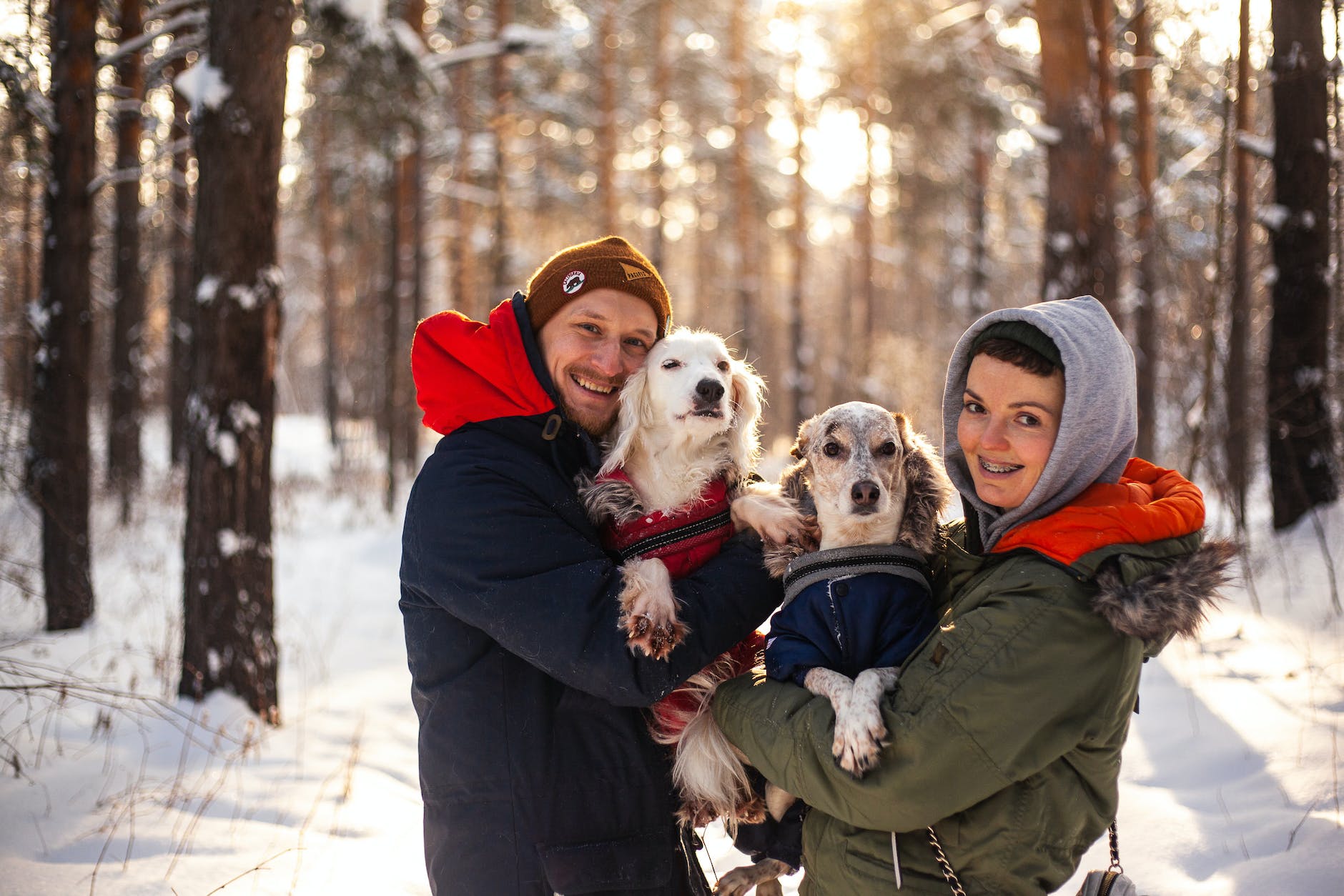
As the temperatures drop and snow starts to fall, it’s important to consider the impact of the winter season on our beloved furry friends. Just like humans, dogs can experience a range of health issues during the colder months. From dry skin to joint pain, it’s crucial for dog owners to take extra care in ensuring their pup’s winter health is in top shape. In this blog post, we’ll explore some common winter health issues for dogs and provide tips on how to properly care for your canine companion during the chilly season. Let’s make sure our dogs stay happy and healthy with proper winter care!

Keeping Your Dog Active in Winter Months

Winter can be a challenging time to keep our furry friends active and entertained, but it’s crucial for their overall well-being. With colder temperatures and shorter daylight hours, dogs may experience a decrease in energy levels, which can lead to weight gain and other health issues. To combat this, there are several activities you can incorporate into your winter dog-care routine to ensure your pup stays active and happy.

First and foremost, bundle up and take your dog for a brisk walk or jog. This will not only help burn off excess energy but also keep their joints and muscles strong. Be mindful of their paws, as cracked paws can be painful and prone to infection. Consider using paw balm or protective booties to keep their feet safe from the cold and salty sidewalks.

Indoor activities are also great for keeping dogs active during the winter months. Set up a mini agility course using household items like cones, tunnels, and hurdles. Engage in interactive play sessions with toys that stimulate their mind and challenge their physical abilities. You can also try teaching them new tricks or obedience commands, which provide mental stimulation and physical exercise.

Prevent Winter Skin and Paw Issues for Your Pup

One of the most common health issues faced by dogs during winter time is dry and cracked skin, as well as paw problems. Cold and dry air can strip the natural oils from your dog’s skin, leaving it itchy, flaky, and prone to infections. To prevent winter skin and paw issues, it’s important to prioritize winter dog-care.

First, ensure your dog’s coat is well-moisturized. Consider adding a fatty acid supplement to their diet or using a moisturizing shampoo specifically formulated for dogs. This will help nourish their skin and keep it healthy.

Regular grooming is also crucial in preventing skin issues. Brushing your dog’s coat will help distribute their natural oils, keeping their skin hydrated. Additionally, keep their paws clean and dry after walks to avoid moisture buildup and potential infections.

During winter walks, be cautious of salt and chemicals used to melt ice on sidewalks. These substances can irritate your dog’s paws, so wipe them off after every walk or consider using protective booties.

Lastly, don’t forget about flea and tick prevention during winter. While these pests may be less active, they can still pose a threat to your dog’s health. Consult with your veterinarian for the best flea and tick prevention options for your furry friend.

Beware of Antifreeze and Other Winter Chemicals

Winter can be a treacherous time for our furry friends, and other than the cold temperatures we should be aware about antifreeze and other winter chemicals that can pose serious threats to our dogs’ health. Antifreeze contains ethylene glycol, which is highly toxic and can be fatal if ingested by dogs. Unfortunately, its sweet taste can be enticing to them.

To protect your pup, make sure to keep antifreeze and other winter chemicals stored securely and out of reach. Clean up any spills immediately, as even small amounts can be harmful. Consider using pet-friendly antifreeze alternatives, or opt for propylene glycol-based antifreeze, which is less toxic.

Additionally, be mindful of other winter chemicals, such as ice melt and deicers, which can irritate your dog’s paws and cause discomfort. Take precautions to keep your pup safe during winter, and prioritize their organic healthcare. Your furry friend will thank you with tail wags and wet nose kisses.

Winter Diet: Feeding Your Dog Right When It’s Cold Outside

Just like humans, dogs may experience a decrease in activity levels during the colder months, which can lead to weight gain if their diet isn’t adjusted accordingly. It’s important to provide your furry friend with a balanced and nutritious winter diet to ensure their health and well-being.

Consider adjusting your dog’s food portions based on their activity level. If they are less active in winter, you may need to reduce their portion sizes to prevent excessive weight gain. However, be careful not to drastically reduce their food intake, as they still need adequate nutrition to stay healthy.

Additionally, incorporate warming foods into their diet. Foods such as cooked lean meats, vegetables, and whole grains can provide extra warmth and energy during the colder months. You can also consider adding supplements, such as fish oil or omega-3 fatty acids, to promote a healthy coat and alleviate winter allergies.

Lastly, make sure your dog stays hydrated. Even though they may not feel as thirsty in colder weather, it’s still important for them to have access to fresh water at all times.

Protecting Your Dog’s Ears During Cold Weather Walks

During the winter months, it’s not just your dog’s paws and skin that need protection from the cold. Their ears can also be vulnerable to the harsh weather conditions. Just like humans, dogs can experience discomfort and even frostbite in their ears if not properly protected. To ensure your furry friend’s ears stay healthy during cold weather walks, consider using ear muffs or a doggy hat that covers their ears. These accessories will provide an extra layer of warmth and insulation.

If your dog is resistant to wearing anything on their head, you can also try massaging a small amount of petroleum jelly or paw balm onto their ears before going outside. This will help create a barrier against the cold and prevent chapping. Remember, a healthy dog is a happy dog, so don’t forget to prioritize their organic healthcare, including protecting their ears during winter walks.

Dealing with Doggy Dandruff in the Winter

During the winter months, our furry friends may experience dry and flaky skin, leading to the dreaded d-word: dandruff. Just like humans, dogs can suffer from this common winter issue, causing discomfort and itchiness. So, how can we deal with doggy dandruff in the winter?

First, make sure your pup’s skin stays moisturized. Consider using a gentle, moisturizing shampoo specifically formulated for dogs. This will help nourish their skin and prevent dryness. You can also add a fatty acid supplement to their diet to promote healthy skin.

Regular grooming is also important in preventing dandruff. Brush your dog’s coat regularly to remove any dead skin cells and distribute their natural oils. This will keep their skin hydrated and reduce flakiness.

If your dog’s dandruff persists or worsens, it’s important to consult with a veterinarian. They can determine if there are any underlying health issues contributing to the problem.

Managing Your Dog’s Cold-Weather Anxiety

Many dogs experience cold-weather anxiety, which can manifest in various ways. Some dogs may become more clingy and seek constant attention, while others may exhibit destructive behavior or excessive barking. This anxiety can be caused by a combination of factors, including changes in routine, decreased outdoor activity, and limited socialization opportunities.

To manage your dog’s cold-weather anxiety, it’s important to provide them with extra comfort and reassurance. Spend quality time with them, engage in calming activities such as gentle massages or puzzle toys, and create a cozy and safe space for them indoors. Consider using pheromone diffusers or calming supplements recommended by your veterinarian to help ease their anxiety.

Regular exercise is also crucial for dogs’ mental and physical well-being. Even in colder weather, make an effort to provide them with opportunities to burn off excess energy. This could include indoor play sessions, interactive toys, or agility exercises.

If your dog’s anxiety persists or worsens, it’s important to consult with a veterinarian or a professional dog behaviorist for further guidance. They can provide specialized recommendations tailored to your dog’s specific needs.

Frosty Potty Problems: Helping Your Dog with Winter Housetraining

The cold temperatures and icy conditions can make it difficult for your furry friend to do their business outside. As a result, you may find yourself dealing with some frosty potty problems. But don’t worry, there are solutions to help you and your dog navigate this winter hurdle.

One option is to create an indoor potty area for your pup. This could be as simple as setting up a designated spot in your home with puppy pads or artificial grass. Be sure to praise and reward your dog when they use the designated area to reinforce the behavior.

If your dog is brave enough to face the cold, be prepared to provide them with some extra encouragement. Bundle them up in a cozy sweater or jacket, and consider investing in booties to protect their paws from the icy ground. And don’t forget to reward them with treats and praise when they brave the elements to do their business outside.

Remember, patience is key when it comes to winter housetraining. Keep a close eye on your dog’s bathroom habits, and be consistent with your training methods. With time and perseverance, you and your pup will conquer these frosty potty problems together.

Soothing Your Dog’s Winter Joint Pain

Just like humans, dogs can experience discomfort and stiffness in their joints during the colder months. This can make it difficult for them to move around and enjoy their usual activities. To soothe your dog’s winter joint pain and ensure their comfort, there are a few things you can do.

First, make sure your dog stays warm and cozy. Provide them with a comfortable bed or blanket to sleep on, and consider using heated pet pads to provide extra warmth to their joints. Regular exercise is also important for maintaining joint health. While it may be tempting to cut back on outdoor activities, it’s crucial to keep your dog moving to prevent stiffness. Just be sure to bundle them up in a warm jacket or sweater to protect them from the cold.

Additionally, a balanced diet can play a role in easing joint pain. Talk to your vet about incorporating joint supplements, such as glucosamine and chondroitin, into your dog’s diet. These supplements can help reduce inflammation and improve joint function.

Lastly, consider alternative therapies to help alleviate joint pain. Physical therapy, acupuncture, and hydrotherapy can all provide relief and improve mobility for dogs with joint issues. Consult with your veterinarian to determine the best course of action for your furry friend.

Handling Frostbite and Hypothermia in a Snap

During the winter months, it’s crucial to keep a close eye on your dog’s health and well-being, especially when it comes to frostbites and hypothermia. These cold-weather hazards can pose serious risks to your furry friend, but with proper care, you can help keep them safe and comfortable.

First and foremost, pay attention to your dog’s behavior and look out for signs of shivering, lethargy, or excessive trembling. These can be indicators of hypothermia. If you notice any of these symptoms, bring your dog indoors immediately and warm them up with blankets or a heating pad set on low. You can also offer them warm fluids, such as diluted chicken broth, to help raise their body temperature.

To prevent frostbites, make sure your dog is dressed appropriately for the weather. Invest in a good quality dog coat or sweater that covers their vulnerable areas, such as the ears, tail, and paws. Limit your dog’s exposure to cold and windy conditions, and avoid taking them outside during extreme weather.

If you suspect your dog may have frostbite, examine their ears, paws, and tail for pale, gray, or discolored skin. If you notice any signs of frostbite, contact your veterinarian immediately for guidance on how to properly treat it.

In the wintertime, our pups need a little extra TLC to stay happy and healthy. So, keep a close eye on your furry friend and be on the lookout for signs like shivering or lethargy, which could indicate hypothermia. If your dog starts feeling the chill, bring them indoors pronto, wrap them in cozy blankets, and maybe even offer a warm cup of diluted chicken broth – they’ll appreciate the extra warmth.

And don’t forget the winter wardrobe – a stylish dog coat or sweater can make a world of difference in keeping your pup toasty and looking fabulous. With a little care and attention, you and your four-legged companion can navigate the winter months with ease.
Posted on — Leave a comment

Caring for Canines in Winter: A Complete Guide to Healthy Habits and Remedies

As the winter season approaches, it is important for dog owners to pay special attention to the health and well-being of their furry friends. The colder temperatures, harsh weather conditions, and changes in routine can all have an impact on our canine companions. That’s why we have put together a comprehensive guide to help you keep your dogs happy and healthy during the winter months. From supplements and practices to promote overall wellness, to specific remedies for common winter ailments, we have you covered in our guide to caring for canines in winter. Let’s ensure that our beloved dogs can thrive and enjoy this season to the fullest!

Challenges of Winter

Winter can be a beautiful season, but it also brings its own set of challenges, especially when it comes to taking care of our furry friends. As responsible pet owners, it is important to be aware of the unique needs that our dogs have during this time of year.

The cold weather can take a toll on our canine companions, causing dry skin, chapped paws, and even hypothermia if they are not properly protected. Additionally, the harsh weather conditions can limit the opportunities for outdoor activities, leading to a decrease in exercise and mental stimulation for our dogs.

Another challenge is the changes in routine that come with the winter season. The shorter days and colder temperatures can disrupt our usual schedule and make it difficult to maintain a consistent routine for our pets. This can lead to feelings of restlessness and boredom for our dogs, which can have a negative impact on their overall well-being.

By recognizing these challenges, we can better understand the importance of providing our furry friends with the care they need during the winter months. From incorporating warmth and comfort into their spaces to prioritizing physical activity and mental stimulation, there are many ways to ensure that our dogs stay happy and healthy during this time. In the next sections of this guide, we will explore different strategies and practices to help you navigate the winter care journey with your beloved four-legged companion.

Boosting Your Pup’s Winter Health: Why Supplements Matter

During the winter months, it’s essential to focus on our furry friends’ well-being, and that includes their nutrition. Just like how we prioritize our own health during this season, it’s crucial to provide our dogs with the necessary nutrients to thrive. Supplements can play a vital role in supporting their overall wellness.

Supplements are like the secret weapons of dog parenting during the winter. They can provide an extra boost to your dog’s immune system, keeping them protected from common ailments that often plague our furry companions during this time. Supplements like fish oil, vitamin E, and probiotics can help combat dry skin, strengthen their coat, and boost their immune system.

Winter activities may also lead to joint stiffness or arthritis in some dogs, especially older ones. That’s where supplements like glucosamine and chondroitin come into play. These supplements promote joint health, improve mobility, and reduce inflammation.

While it’s important to prioritize dog care in all aspects of their lives, winter presents unique challenges that can be combated with proper nutrition. By incorporating supplements into their diet, we can help support their immune system, promote joint health, and ensure they stay happy and healthy throughout the winter season. Remember, a healthy dog is a happy dog!

Hydrating Happiness: Why Adequate Water Intake is Key to Your Dog’s Winter Wellness

As the winter season settles in, it’s important to pay attention to all aspects of our furry friends’ health and well-being, including hydration. We often associate dehydration with hot summer days, but it’s just as crucial to prioritize hydration during the winter months. The cold weather and dry air can deplete your dog’s moisture levels, leading to potential health issues.

Ensuring that your dog has access to fresh, clean water at all times is essential. Just like humans, dogs can become dehydrated if they don’t drink enough water. Dehydration can lead to lethargy, dry skin, and even urinary tract infections. It’s important to monitor your dog’s water intake and make sure they’re drinking enough throughout the day.

In addition to providing water, you can also incorporate hydration-rich foods into your dog’s diet. Wet food, bone broth, and fruits and vegetables with high water content can all help keep your dog hydrated. These options not only provide moisture, but they also offer additional nutrients and flavors that can entice your dog to stay hydrated.

Remember, a well-hydrated dog is a happy and healthy dog. By prioritizing hydration during the winter months, you can help prevent health issues and ensure that your furry friend stays comfortable and thriving throughout the season.

Furry Fitness Fun: Making Physical Activity a Priority for Your Pet’s Wellness

In the chilly winter months, it can be tempting to curl up on the couch and hibernate with our furry friends. However, it’s important to prioritize physical activity to promote your dog’s overall wellness. Just like humans, dogs need regular exercise to stay healthy and happy, especially when outdoor activities are limited due to harsh weather conditions.

Physical activity not only helps maintain a healthy weight, but it also improves cardiovascular health, boosts energy levels, and stimulates the mind. So, how can you ensure your dog gets enough exercise during the winter?

One great option is to invest in indoor activities that get your dog moving. Set up obstacle courses using pillows and furniture, play hide and seek with treats, or engage in a game of indoor fetch. You can also try interactive toys that require your dog to think and move, such as puzzle feeders or treat-dispensing balls.

If weather permits, bundle up and brave the cold for a brisk walk or jog. Just remember to protect your dog’s paws from ice and salt by using booties or paw balms. If outdoor activities are not possible, consider using a treadmill or seeking out a doggy daycare or indoor dog park where your pup can socialize and burn off some energy.

Ultimately, the key is to find activities that suit your dog’s breed, age, and energy level. By prioritizing physical activity, you can help your dog maintain a healthy weight, strengthen their muscles, and keep them mentally stimulated throughout the winter season. So, bundle up and get moving with your furry friend for a winter full of fun and wellness!

Pawsitively Happy: How to Integrate Mental Stimulation into Your Dog’s Daily Routine

Winter may bring limited outdoor activities for our furry friends, but that doesn’t mean they can’t have fun and stay mentally stimulated! Just like humans, dogs need mental exercise to keep their minds sharp and engaged. So, how can we integrate mental stimulation into their daily routine during the winter months?

One great way is to introduce puzzle toys and games that challenge your dog’s problem-solving skills. There are plenty of interactive toys available that require your dog to figure out how to access treats or toys hidden inside. These toys not only provide mental stimulation but also keep your dog entertained for hours.

Another idea is to incorporate training sessions into your daily routine. Dogs love to learn and using positive reinforcement techniques can help keep their minds active. Teach them new tricks, practice obedience commands, or even enroll them in a virtual training class. The mental stimulation from training exercises will not only tire them out but also strengthen the bond between you and your furry companion.

Additionally, you can introduce scent games or hide-and-seek activities indoors. Hide treats or toys around the house and encourage your dog to find them using their keen sense of smell. This not only stimulates their mind but also taps into their natural instincts.

Remember, mental stimulation is just as important as physical exercise for your dog’s overall well-being. By integrating these activities into their daily routine, you can keep your furry friend happy, engaged, and mentally sharp throughout the winter season. So, get creative, have fun, and watch your dog thrive!

Guarding Their Wag: Why Regular Health Checks are a Pup Parent’s Best Defense

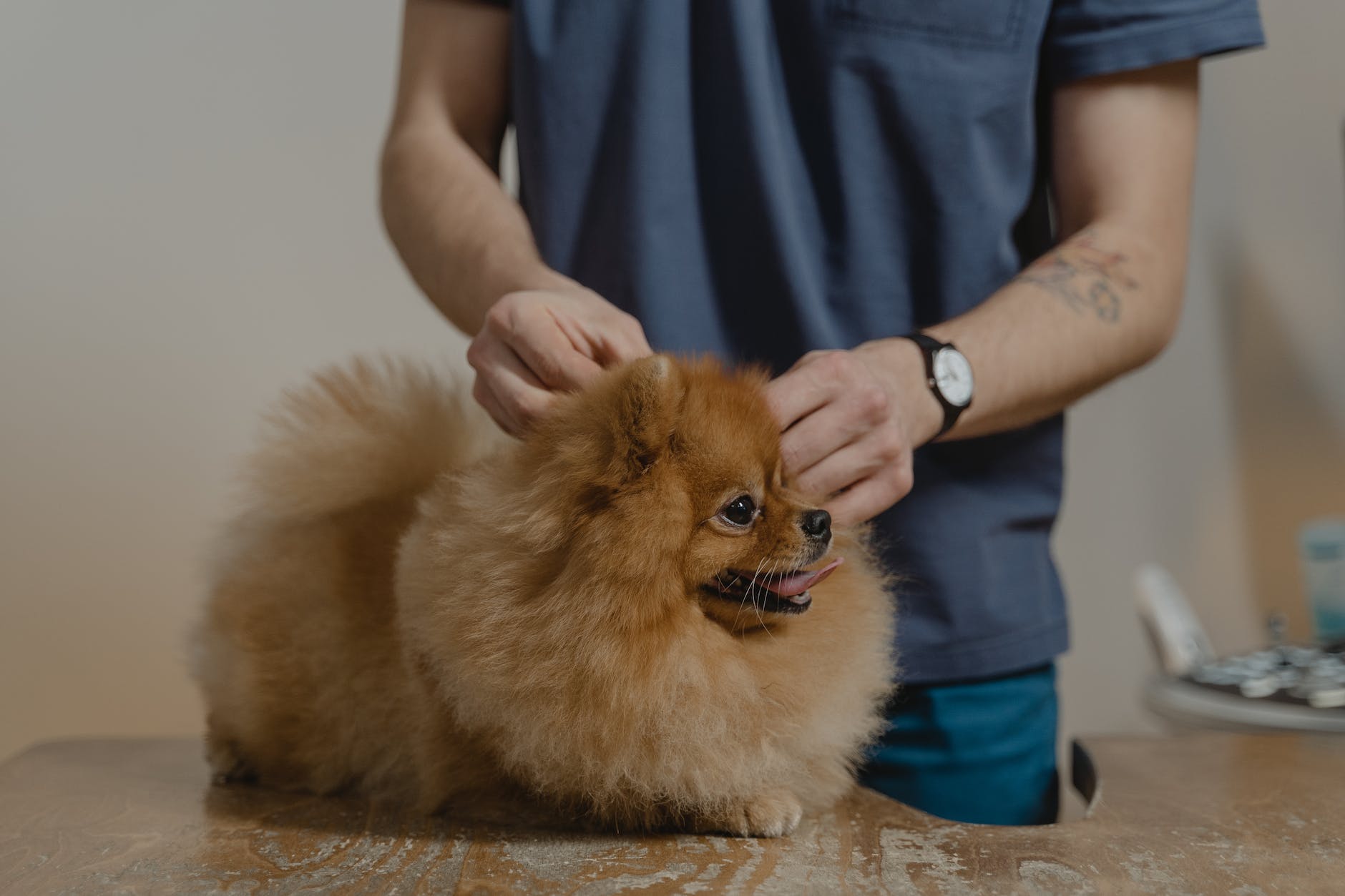
Regular health checks are crucial for your dog’s well-being, especially during the winter months. By scheduling regular check-ups with your veterinarian, you can catch any potential health issues before they become serious problems. Prevention is always better than cure, and these regular check-ups allow your vet to monitor your dog’s overall health, identify any underlying issues, and provide the necessary treatments or interventions.

During these health checks, your vet will examine your dog’s weight, coat, eyes, ears, teeth, and overall body condition. They will also check for any signs of illness, such as coughing, lethargy, or changes in behavior. These routine examinations help ensure that your dog is in good health and can catch any early warning signs of illness or injury.

Additionally, regular health checks provide an opportunity for vaccinations and parasite prevention. Winter can still bring the risk of certain diseases, such as kennel cough or influenza, so it’s important to make sure your dog is up to date on their vaccinations. Your vet can also provide flea, tick, and heartworm prevention treatments to protect your furry friend during this time of year.

Remember, regular health checks are essential for maintaining your dog’s well-being. By staying proactive and addressing any health concerns early on, you can help your beloved pet enjoy a healthy and happy winter season.

Pampering Paws: The Art of Nourishing Your Dog’s Skin with Friendly Moisturizers and Balms

Winter weather can be tough on our dogs’ skin, causing dryness and irritation. That’s why using dog-friendly moisturizers and balms is essential during the winter months. These products can provide much-needed relief and hydration to your furry friend’s skin, nose, and paws.

When it comes to choosing the right moisturizer or balm, it’s important to opt for products specifically formulated for dogs. Human skincare products often contain ingredients that can be harmful or irritating to dogs. Look for moisturizers and balms that are made with natural ingredients, such as shea butter, coconut oil, or beeswax. These ingredients have moisturizing and protective properties that can soothe and heal dry skin.

To use a moisturizer or balm, start by gently cleaning your dog’s skin or paws with a damp cloth to remove any dirt or debris. Then, apply a small amount of the product to the affected area, massaging it in gently. Be sure to avoid the face and any areas your dog can easily reach and lick off.

Using dog-friendly moisturizers and balms regularly throughout the winter can help prevent dryness and keep your dog’s skin healthy and moisturized. It’s important to remember that each dog is unique, so consult with your veterinarian for specific recommendations based on your dog’s individual needs.

By incorporating moisturizers and balms into your winter care routine, you can provide your furry friend with the relief they need from dry, irritated skin. Keep your dog comfortable and happy throughout the winter season with these essential skincare products.

Cozy Canines: Creating Warm and Comfortable Spaces for Your Furry Friends

When the winter chill sets in, it’s important to create a cozy and comfortable space for your furry friend. Incorporating warmth and comfort into their living areas will not only help them stay snug and content but also contribute to their overall well-being during the colder months.

Start by providing your dog with a warm and soft bed. Look for a bed that is insulated or has extra padding to keep them off the cold floor. You can also consider adding a heated blanket or bed warmer to provide extra warmth.

Make sure their sleeping area is away from drafts or cold areas. Position their bed in a spot where they won’t be exposed to cold air from windows or doors. If necessary, use draft stoppers or seal off any gaps that let cold air in.

Another way to create a cozy space is by using blankets and cuddly toys. Dogs love to snuggle up with soft blankets or stuffed toys, so provide them with a few options to choose from. Just make sure the toys are safe and free of small parts that could be swallowed.

Lastly, consider using space heaters or heating pads, but always ensure they are safe for pets and follow the manufacturer’s instructions. It’s important to monitor your dog’s behavior around these heat sources and never leave them unattended.

By incorporating warmth and comfort into your dog’s living spaces, you’ll be creating a safe and inviting environment for them to relax and recharge during the winter season. Remember, a happy and comfortable dog is a healthy dog!

Winter Beauty for Your Pup: Mastering the Art of Grooming and Tender Care

Winter grooming and care for your furry friend is an important aspect of their overall health and well-being. While the colder months may bring challenges, such as dry skin and a dull coat, there are plenty of ways to master the art of winter grooming and keep your dog looking and feeling their best.

Firstly, regular brushing is key during the winter season. Not only does it help remove loose fur and prevent matting, but it also stimulates the skin and promotes blood circulation. Consider investing in a good quality brush or comb that is suitable for your dog’s coat type. Regular grooming sessions will not only keep your dog looking tidy but also prevent any discomfort caused by tangled or matted fur.

Additionally, don’t forget about the importance of regular bathing. While you may not want to bathe your dog as frequently during the winter, it is still important to keep them clean and free of dirt and debris. Use a mild, dog-specific shampoo and warm water, ensuring that you completely rinse off any residue to prevent dry skin.

Pay special attention to your dog’s paws during the winter months. Cold weather and icy conditions can cause dryness and cracks in their paw pads. To combat this, regularly moisturize their paw pads with a dog-friendly paw balm. This will help protect their paws from harsh conditions and keep them soft and supple.

Lastly, keep an eye on your dog’s nails. Winter often means less time spent outside and therefore less wear on their nails. Trim their nails regularly to prevent them from becoming too long or causing discomfort when walking.

Mastering the art of winter grooming and care will ensure that your dog stays comfortable and healthy throughout the season. So, grab your grooming tools and show your furry friend some extra love and attention during these colder months.

Preventing Winter Woes: Strategies for Avoiding Common Health Issues

Winter can bring a variety of health issues for our beloved dogs, but with the right strategies, we can prevent these woes and keep our furry friends happy and healthy. One common problem during winter is dry and cracked paws. To avoid this, make sure to clean your dog’s paws after every walk, especially if there is salt or de-icing products on the ground. Moisturizing their paws with a dog-friendly balm can also provide protection.

Another issue to watch out for is hypothermia. To prevent this, limit your dog’s time outside in extreme cold temperatures and provide them with a warm coat or sweater when necessary. It’s also important to monitor their behavior and look for signs of shivering, lethargy, or disorientation, which may indicate hypothermia.

Additionally, winter can be a breeding ground for fleas and ticks. Keep up with regular flea and tick prevention treatments and check your dog thoroughly after walks in wooded areas or tall grass.

Lastly, winter can be a time of decreased exercise, leading to weight gain and boredom. Combat this by engaging in indoor activities, like interactive toys or obedience training, and providing mental stimulation through puzzle toys and scent games.

By implementing these strategies, you can help prevent common health issues and ensure that your furry friend stays healthy and happy throughout the winter season.

Posted on — Leave a comment

Understanding Dog Insurance: Costs and Considerations for Pet Owners

As a devoted dog owner, ensuring the well-being and health of your furry friend is of utmost importance. One way to protect your pet and ease the financial burden of unexpected veterinary expenses is by investing in dog insurance. In this comprehensive guide, we will delve into the intricacies of dog insurance, including how it works, the associated costs, the importance of having insurance for your dog, and the crucial factors to consider when purchasing a policy.

Understanding Dog Insurance

When considering dog insurance, it’s essential to have a clear understanding of the different coverage options, reimbursement models, and how pre-existing conditions are handled.

Coverage Options:

  • Accident-Only Coverage: This type of policy focuses on providing coverage for injuries resulting from accidents. It includes incidents such as broken bones, bites, cuts, or ingestion of foreign objects. Accident-only coverage is ideal for dog owners who primarily want financial protection in case of unexpected accidents.
    Example: If your dog breaks a leg while playing at the park, the insurance policy will cover the veterinary expenses related to the accident.
  • Illness-Only Coverage: These policies are designed to cover medical expenses specifically related to illnesses. This includes conditions like allergies, infections, digestive disorders, or chronic diseases. Illness-only coverage is suitable for dog owners who want protection against the costs of long-term treatments and ongoing medical conditions.
    Example: If your dog develops a skin infection that requires medication and veterinary care, the insurance policy will reimburse you for the eligible expenses.
  • Comprehensive Coverage: Comprehensive plans offer the most extensive coverage by combining both accidents and illnesses. They provide a broader range of protection for your dog’s health and well-being. Comprehensive coverage is recommended for dog owners who want comprehensive coverage for various medical situations.
    Example: If your dog experiences an accident, such as ingesting a toxic substance, and subsequently develops a related illness, the insurance policy will cover the expenses for both the accident and the resulting illness.

Reimbursement Model:

  • Percentage-Based Reimbursement: Under this model, the insurance company reimburses a percentage of the eligible expenses you incur for your dog’s veterinary care. The reimbursement percentage typically ranges from 70% to 90%. You are responsible for paying the remaining percentage of the expenses out-of-pocket.
    Example: If your dog requires surgery that costs $1,000 and your insurance policy has a reimbursement rate of 80%, the insurance company will reimburse you $800, and you will be responsible for paying the remaining $200.
  • Benefit Schedule Reimbursement: This reimbursement model is based on a predetermined benefit schedule provided by the insurance company. The schedule outlines the maximum amount payable for specific covered conditions or procedures. The reimbursement amount is based on the listed maximums rather than the actual expenses you incur.
    Example: If the benefit schedule for a dental procedure has a maximum limit of $500, and your dog’s dental bill comes to $700, the insurance company will reimburse you $500 according to the benefit schedule, and you will be responsible for paying the remaining $200.

Pre-existing Conditions:

  • Pre-existing conditions are typically excluded from coverage in dog insurance policies. These are any medical conditions that your dog has shown signs of or received treatment for before the insurance policy’s effective date. It’s crucial to carefully review the policy’s definition of pre-existing conditions and understand how they are handled.
    Example: If your dog has a known heart condition before you purchase the insurance policy, any related treatments or expenses for that condition will not be covered.
  • Waiting Periods: Insurance policies may have waiting periods for coverage to begin on certain conditions. Waiting periods refer to the length of time you must wait after purchasing the policy before you can make claims for specific conditions or treatments.
    Example: If the policy has a 30-day waiting period for illnesses and your dog develops an illness within that period, the expenses related to that illness will not be covered.

Understanding these aspects of dog insurance will help you make an informed decision when selecting a policy that suits your dog’s needs and provides the necessary coverage. Be sure to carefully read the policy’s terms and conditions and ask the insurance provider any questions you may have to ensure a clear understanding of the coverage and limitations.

The Importance of Having Dog Insurance

Having dog insurance is crucial for several reasons, providing significant benefits for both you and your furry friend.

Financial Protection:

Dog insurance offers essential financial protection against unexpected veterinary expenses. Just like humans, dogs can experience accidents, illnesses, and emergencies that require medical attention. Without insurance, the costs of treatments, surgeries, medications, and hospital stays can quickly add up, putting a strain on your budget. However, with dog insurance, you can ensure that you can provide the necessary care for your dog without worrying about the financial burden. Insurance coverage reimburses a portion of eligible expenses, alleviating the stress of unexpected costs and allowing you to focus on your pet’s well-being.

By having dog insurance, you gain peace of mind. Knowing that you are prepared for any unforeseen circumstances, such as a sudden injury or the development of a serious health condition, can provide a sense of security. You can make decisions about your dog’s health based on what is best for them, rather than being limited by financial constraints.

Access to Quality Care:

Dog insurance grants you the freedom to choose the best veterinary care for your dog, regardless of the cost. When your pet’s health is at stake, you want to ensure they receive the highest standard of care available. With insurance coverage, you can explore various treatment options, including specialist consultations, surgeries, and advanced procedures, without worrying about the financial implications. This empowers you to make decisions based on what is medically necessary and in the best interest of your dog’s health.

Insurance enables you to seek prompt and comprehensive care for your dog. Instead of hesitating or delaying necessary treatments due to financial concerns, you can immediately address health issues as they arise. Early intervention can greatly impact the outcome and prognosis of certain conditions, potentially saving your dog from unnecessary pain or complications.

Preventive Care:

Many dog insurance policies offer coverage for preventive care, including vaccinations, wellness exams, and routine screenings. Preventive care plays a vital role in maintaining your dog’s overall health and well-being. Regular check-ups, vaccinations, and screenings can help detect and prevent potential health issues before they become major problems. By having insurance that covers preventive care, you can prioritize these essential measures without worrying about the cost. This proactive approach to your dog’s health can contribute to their longevity and quality of life.

Insurance coverage for preventive care encourages responsible pet ownership. It reinforces the importance of regular veterinary visits and preventive treatments, promoting a proactive approach to your dog’s healthcare needs. By staying on top of preventive measures, you can catch any potential issues early on, potentially avoiding more significant health problems in the future.

By investing in dog insurance, you are safeguarding your pet’s well-being and ensuring that they receive the care they deserve throughout their lives.

Cost Considerations for Dog Insurance

When considering dog insurance, it’s important to understand the various cost factors involved. The following considerations will help you navigate the costs associated with dog insurance and make an informed decision:

Monthly Premiums:

The cost of dog insurance can vary depending on several factors. These include:

  • Dog’s Breed: Certain breeds may have higher premiums due to known health issues or genetic predispositions to specific conditions.
  • Age: Older dogs generally have higher premiums because they are more prone to illnesses and may require more frequent veterinary care.
  • Location: The cost of living and veterinary care in your area can influence premium rates. Urban areas or regions with higher veterinary costs may have slightly higher premiums.

Popular dog insurance providers:

Deductibles:

A deductible is the amount you must pay out-of-pocket before the insurance coverage begins. Higher deductibles typically result in lower monthly premiums, while lower deductibles come with higher premiums.

Deductibles can be annual, meaning they reset each year, or per-incident, which applies to each new condition or illness. Consider your financial situation and the likelihood of your dog needing frequent veterinary care when choosing a deductible amount.

Reimbursement Percentage:

The reimbursement percentage determines the portion of eligible expenses that the insurance company will reimburse after you have paid the deductible. Reimbursement percentages typically range from 70% to 90%.

When selecting a reimbursement percentage, consider your budget and risk tolerance. A higher percentage means the insurance company covers more of the expenses, but it also leads to higher monthly premiums.

Additional Tools:

To compare dog insurance options and obtain quotes, you can utilize online tools such as:

  • Pet Insurance Review: Provides a platform for pet owners to share their experiences and read reviews of different insurance providers.
  • Pet Insurance Quotes: Offers a comparison tool to receive quotes from multiple insurance providers.
  • Pawlicy Advisor: Provides personalized recommendations based on your dog’s breed, age, and health history, as well as quotes from various insurance providers.

By considering these cost factors and utilizing online tools, you can make an informed decision regarding dog insurance that aligns with your budget and provides the necessary coverage for your beloved furry friend. Remember to review policy details carefully, ask questions, and compare multiple options to find the best fit for your dog’s needs.

Things to Consider When Buying Dog Insurance

Purchasing dog insurance requires careful consideration to ensure you choose the right policy for your furry companion. The following factors are important to evaluate before making a decision:

Coverage Limits and Caps:

Insurance policies may have annual or lifetime limits on the amount they will reimburse. It’s crucial to ensure that the coverage limits align with your dog’s potential medical needs. Consider your dog’s breed, age, and any known health conditions when assessing the adequacy of the coverage limits.

Some policies may also have per-incident limits or caps on specific conditions or procedures. Understand these limits to know how much coverage is available for individual incidents or treatments.

Waiting Periods:

Waiting periods are the duration you must wait after purchasing the policy before certain conditions or treatments become eligible for coverage. These periods can vary from a few days to several weeks or even months.

It’s important to be aware of the waiting periods associated with the policy. Consider any immediate health concerns your dog may have and ensure that coverage for those conditions doesn’t require an extended waiting period.

Exclusions and Limitations:

Review the policy’s exclusions and limitations to understand what is not covered. Common exclusions may include pre-existing conditions, cosmetic procedures, breeding-related expenses, and certain hereditary conditions.

Some policies may have breed-specific exclusions, which means certain conditions common to specific breeds may not be covered. It’s essential to check if your dog’s breed is affected by any exclusions to avoid any surprises when making a claim.

Customer Reviews and Reputation:

Research the insurance provider’s reputation and track record. Look for customer reviews and ratings to gain insight into their claims process, customer service, and overall satisfaction. Positive reviews and high ratings indicate a reliable and reputable insurance company.

Consider seeking recommendations from your veterinarian or fellow dog owners. Their experiences and insights can help you make an informed decision and select an insurance provider that meets your expectations.

Taking the time to consider these factors and conduct thorough research will help you choose a dog insurance policy that provides the coverage and peace of mind you desire. Remember that each dog is unique, so carefully evaluate the policy terms and ensure they align with your dog’s specific needs and potential health risks.

Dog insurance can be a valuable investment to protect your four-legged companion from unexpected veterinary expenses. By understanding how dog insurance works, considering the associated costs, exploring different providers, and carefully evaluating policy options, you can make an informed decision that suits your dog’s needs and your budget. Remember, having dog insurance provides financial protection, access to quality care, and the ability to prioritize preventive measures, ensuring the health and well-being of your furry friend.