Posted on — 1 Comment

Preparing for Your New Puppy: A Comprehensive Guide to Essential Supplies

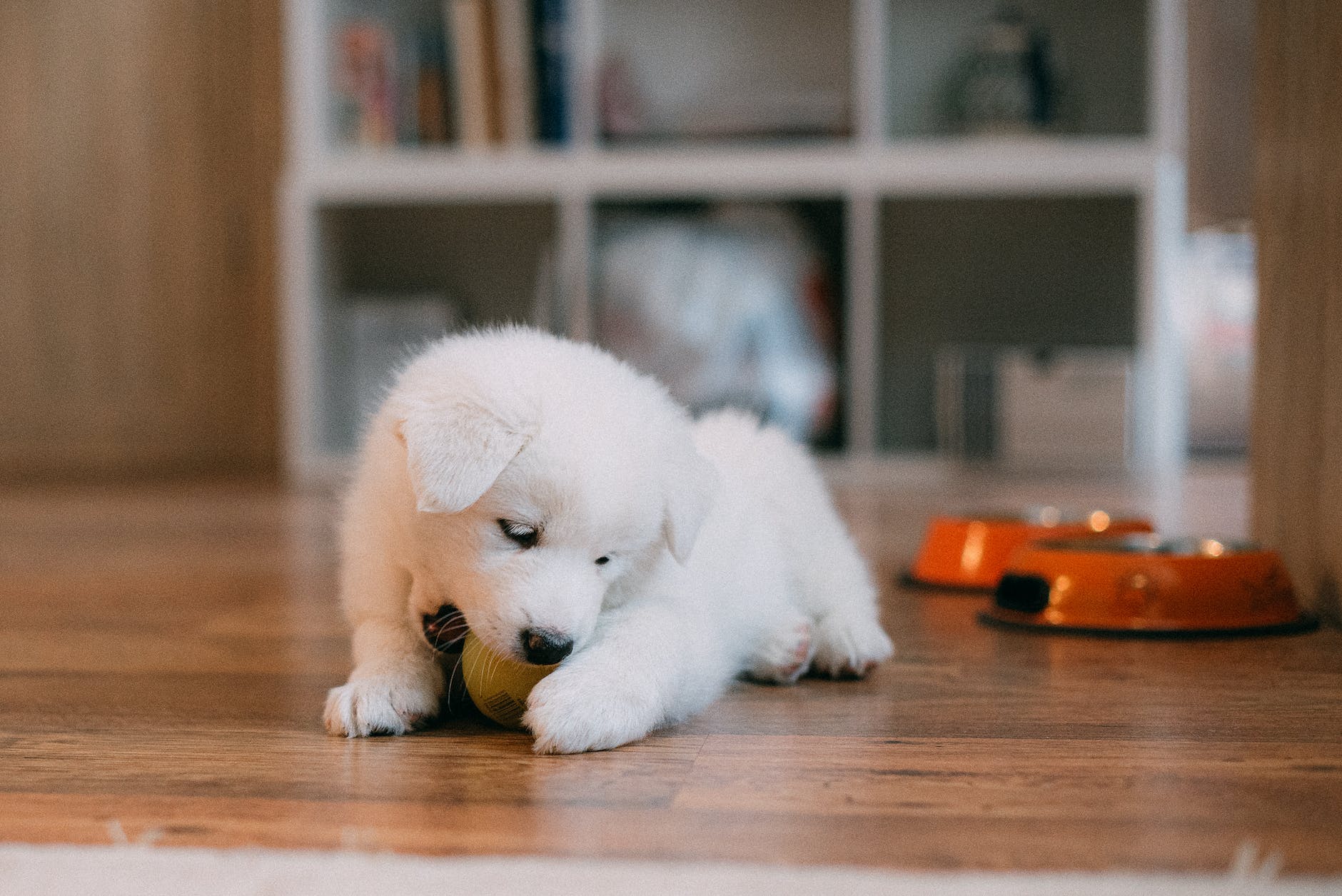
Bringing a new puppy home is an exhilarating experience that marks the beginning of a beautiful journey. To ensure a seamless transition and a happy, healthy life for your furry friend, it is crucial to have the necessary supplies ready before their arrival. This guide will explore the essential items you need to purchase in preparation for your new puppy. By following this comprehensive list, you can create a nurturing environment that promotes their well-being and strengthens the bond between you and your new companion.

Now, let’s dig into this guide a little more:

Food

Selecting the right dog food for a puppy is crucial for their growth and development. Puppies have specific nutritional requirements that differ from adult dogs. Look for puppy-specific formulas that are designed to support their rapid growth and provide the necessary nutrients for their developing bodies. Choose high-quality brands that use real, named animal proteins as the main ingredients, along with a balanced combination of carbohydrates, fats, vitamins, and minerals. Ensure the food is appropriate for the puppy’s breed size and consult with your veterinarian for personalized recommendations. It’s important to provide a well-balanced diet that promotes healthy bones, muscles, and overall well-being during this critical stage of your puppy’s life.

Check out our detailed blog on puppy food.

Water and Food Bowls

Don’t settle for just any old plastic bowls that your pup will inevitably turn into a chew toy. Get them something sturdy and stylish, like the Bark-a-Rama Stainless Steel Bowls or the Ceramic Canine Delight Dish. Trust me, your pup will feel like royalty dining from these fine vessels.

Bed or Crate

Your pup needs a cozy spot to rest its paws after a long day of exploring and mischief-making. Consider getting them a bed fit for a prince or princess, like the Plush Pup Paradise or the Cuddly Canine Castle. They’ll be dreaming of endless treats and belly rubs in no time.

Leash and Collar

It’s time to take your pup on some stylish walks. Opt for a leash and collar combo that matches your pup’s personality. Maybe a vibrant neon leash with a matching collar that says “I’m the boss” or a classy leather set for the sophisticated pup about town. The choices are endless, so let your pup’s fashionista side shine!

Toys

Puppies are like tiny tornadoes of energy, so be prepared with an arsenal of toys to keep them entertained. From squeaky balls that make them tilt their head in confusion to plush toys that become their snuggle buddies, you’ll want to have a variety of options. Brands like Bouncy Buddy, Chewy Champ, and SmartyPaws are just a few of the fun names you’ll come across.

Grooming Supplies

Time to pamper your pup and make them look and smell fabulous. Get a brush or comb suitable for their specific coat type—whether it’s a curly coat, silky strands, or a luscious mane. Don’t forget the puppy-specific shampoo, nail clippers (no, not for your nails), and a toothbrush to keep those pearly whites shining.

Training Pads or Litter Box

Ah, the joy of housebreaking. Training pads or a litter box can be a lifesaver during those early stages. It’s like a mini potty corner for your pup. Trust me, your carpet will thank you. Brands like Spotless Solutions or Piddle Palace will make the whole process a little less messy.

Cleaning Supplies

Accidents happen, and when they do, you need the big guns—enzymatic cleaners. These magical potions will zap away stains and odors like they were never there. Say goodbye to lingering smells and hello to a fresh-smelling home. Brands like Stain Slayer or Odor Obliterator will be your secret weapons.

Healthcare Essentials

Your pup’s health is of utmost importance. Make sure to schedule a visit to the vet for vaccinations and preventive care. Stock up on flea and tick preventives—no one wants their pup scratching like a maniac—and don’t forget the deworming treatments. It’s like giving your pup a mini spa day but with needles and pills. Woohoo!

Training and Enrichment Tools

Time to turn your pup into a canine Einstein. Treat-dispensing toys, puzzle games, and clickers will make training sessions fun and engaging. Your dog will be learning new tricks and impressing all their furry friends at the park in no time. Brands like Brainy Bones or Puzzle Pup will have your furry genius wagging their tail with pride.

Identification Tags and Microchips

Let’s not forget about safety! Get your pup some bling in the form of identification tags. It’s like their very own doggie ID card. And for some high-tech security, consider getting them microchipped. They’ll be the James Bond of the dog world—always identifiable, even in disguise.

Puppy-Proofing Supplies

Puppies have a knack for finding trouble in the most unexpected places. So, before your little explorer arrives, make sure to puppy-proof your home. Use baby gates to protect off-limits areas and secure those tempting electrical cords. Remember, your pup’s superhero power is chewing on things they shouldn’t so stay one step ahead!

Puppy Training Essentials

It’s time to unleash your inner dog whisperer. Treat pouches, clickers, and training guides will be your sidekicks in transforming your pup into a well-behaved companion. It’s like having your very own obedience academy at home. Get ready to impress your friends with your pup’s stellar manners!

Puppy Insurance

Let’s face it, pups are unpredictable. That’s why puppy insurance is worth considering. It’s like a safety net for those unexpected vet bills. Your pup will have its own health insurance plan, just like you! Talk about being a responsible pet parent.

Check out our detailed blog on dog insurance.

Socialization Opportunities

It’s time to let your pup mingle with the cool kids. Puppy socialization classes or playdates with other friendly dogs will help your pup develop social skills and build confidence. They’ll make friends faster than you can say “fetch.” Who knows, they might even start their own doggie social club.

First Aid Kit

Accidents happen, especially when your pup is part acrobat, part daredevil. A well-stocked first aid kit will come to the rescue during those moments of mischief. From bandages and antiseptic solutions to the essential “ouchie” treats, you’ll be ready for anything your pup throws at you—literally.

Quality Time and Patience

The most important supplies of all—time and patience. Your pup needs your undivided attention, love, and affection. Dedicate quality time each day for play, cuddles, and bonding. Remember, a well-trained and happy pup is built on a foundation of love and understanding. And hey, a sense of humor doesn’t hurt either!

By ensuring you have these essential supplies ready, you will be well-prepared to welcome your new puppy into your home. Remember that each puppy is unique, so feel free to customize this list based on your pup’s specific needs and preferences. Enjoy this exciting journey of puppy parenthood, filled with wagging tails, wet kisses, and endless moments of joy. And always remember to embrace the unexpected and enjoy the wonderful adventure of being a doggie parent!

Posted on — 1 Comment

A Comprehensive Guide to Consider Before Getting a Dog

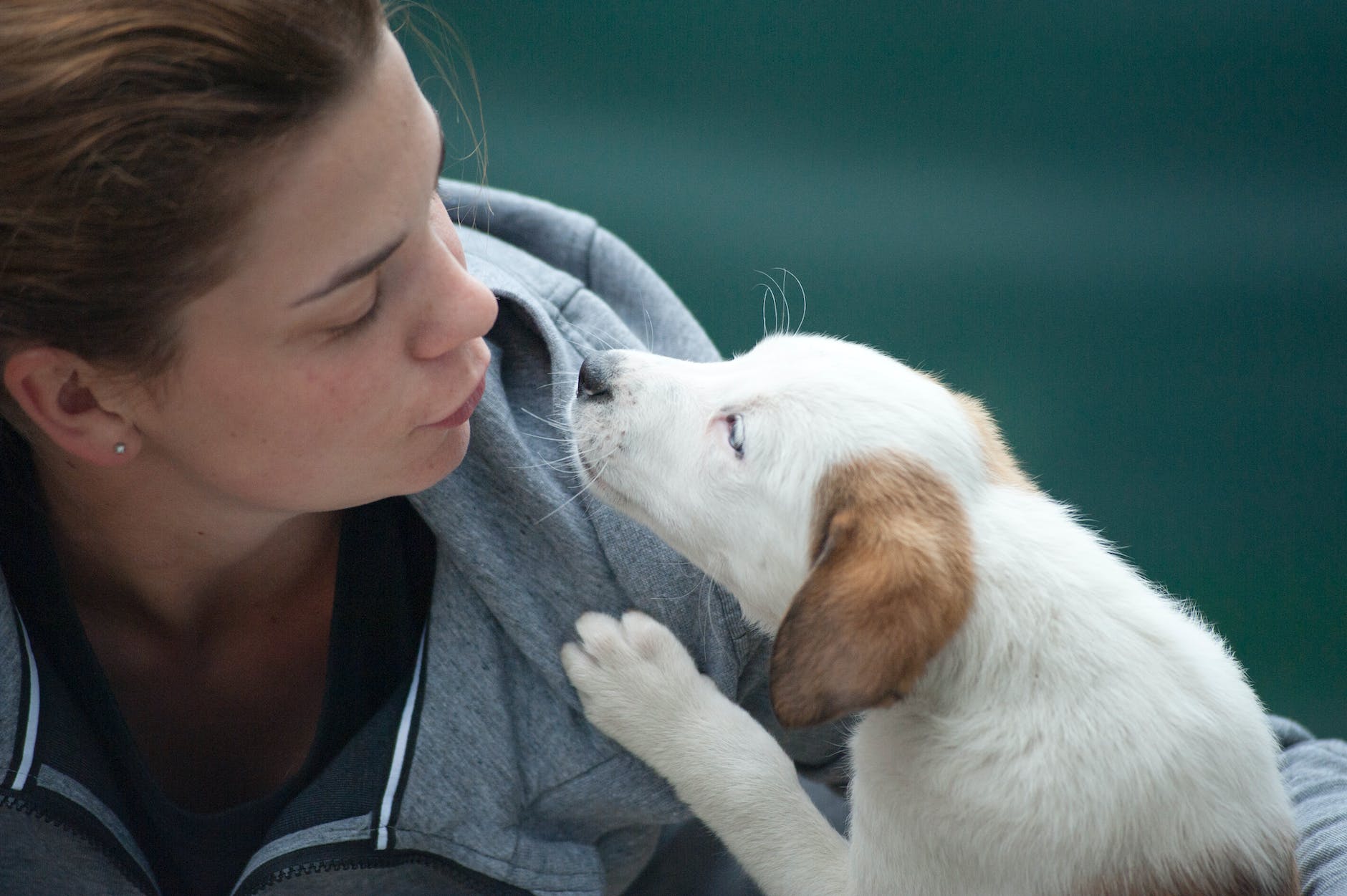
Adding a furry friend to your family can bring immense joy, love, and companionship. However, the decision to get a dog should not be taken lightly. It requires careful consideration of various factors to ensure a harmonious and fulfilling life for both you and your four-legged companion. In this comprehensive guide, we will delve into the key aspects you should consider before getting a dog. From choosing the right breed to managing your time, environment, cleanliness, finances, and patience, we’ll provide you with in-depth insights, examples, brand suggestions, and helpful advice.

Choosing the Right Breed:

One of the most important decisions you’ll make is selecting the right breed that suits your lifestyle, preferences, and environment. Different breeds have distinct characteristics, energy levels, exercise needs, and temperaments. For example, if you have an active lifestyle and enjoy outdoor activities, an energetic breed like a Labrador Retriever or Border Collie might be a good fit. Conversely, if you live in an apartment with limited space, a smaller breed like a French Bulldog or Cavalier King Charles Spaniel might be more suitable.

Consider our other blogs on various dog breeds.

Evaluating Your Time Commitment:

Bringing a dog into your life means dedicating time and attention to their physical and emotional well-being. It’s crucial to assess your daily schedule and commitments to ensure that you can provide the necessary time for your furry friend. Consider the following aspects when evaluating your time commitment:

  • Exercise: Dogs of all breeds require regular exercise to maintain their physical health and overall happiness. However, the amount of exercise needed can vary depending on the breed. Active breeds like the Australian Shepherd or Siberian Husky have higher energy levels and may require longer walks, vigorous playtime, or even activities such as agility training. On the other hand, less active breeds like the Basset Hound or Shih Tzu have lower exercise requirements and may be content with shorter walks or gentle play sessions. Consider your own activity level and choose a breed that aligns with your exercise capabilities.
  • Feeding and Grooming: Proper nutrition and grooming are essential for a dog’s well-being. Dogs should be fed a balanced and nutritious diet to support their overall health. Research the specific nutritional requirements of the breed you’re considering and choose high-quality dog food brands that offer tailored formulas. Trusted brands such as Royal Canin, Hill’s Science Diet, or Blue Buffalo provide a wide range of options to meet various dietary needs. Additionally, grooming needs can vary greatly between breeds. Some breeds, like the Poodle or Bichon Frise, have hair that continuously grows and requires regular professional grooming to prevent matting and maintain a healthy coat. Other breeds, such as the Beagle or Labrador Retriever, have shorter coats that may require less intensive grooming. Consider the grooming demands of your chosen breed and ensure you can commit to regular grooming sessions or professional grooming appointments.
  • Socialization: Dogs are social animals and thrive on companionship and interaction. They need opportunities to socialize with other dogs, as well as exposure to different environments and people. Evaluate your schedule and availability to provide ample socialization opportunities for your dog. Regular walks in the neighborhood, visits to dog-friendly parks, or arranging playdates with other friendly dogs can contribute to your dog’s social development and overall well-being. If your schedule is particularly busy, consider hiring a professional dog walker or enrolling your dog in a reputable doggy daycare a few times a week. These services can help ensure that your dog receives the necessary socialization and companionship even when you are occupied with other commitments.

Remember, your dog’s overall happiness and well-being depend on the time and attention you can devote to them. By carefully assessing your time commitments and adjusting your schedule accordingly, you can create a balanced and fulfilling routine for both you and your furry friend.

Creating a Dog-Friendly Environment:

When bringing a dog into your home, it’s essential to create a safe and comfortable environment that meets their needs. Consider the following factors when evaluating your environment:

  • Living Space: Assess the size of your living space and determine if it can adequately accommodate a dog. Larger breeds may require more room to move around comfortably, both indoors and outdoors. If you have a yard, research dog-friendly fencing options such as Invisible Fence or PetSafe to create a secure outdoor area where your dog can play and exercise safely. On the other hand, if you live in an apartment or have limited space, consider smaller breeds or those known for their adaptability to apartment living, such as the Cavalier King Charles Spaniel or Shih Tzu. These breeds are generally more comfortable in smaller living spaces and require less room to roam.
  • Local Amenities: Research your local community to ensure it offers dog-friendly amenities that will enhance your dog’s quality of life. Look for nearby parks with designated dog areas, walking trails, or open spaces where you can take your dog for exercise and play. Some dog parks even provide agility courses for extra mental and physical stimulation. Additionally, check if there are dog-friendly beaches or lakes in your area where your furry friend can enjoy a refreshing swim. It’s also important to locate nearby veterinary clinics or animal hospitals in case of emergencies or routine check-ups. Popular pet store chains like Petco or PetSmart often have grooming salons, training classes, and a wide range of pet supplies, making them convenient resources for your dog’s needs.

By assessing your living space and exploring the dog-friendly amenities available in your community, you can ensure that your dog has a suitable environment to thrive and enjoy a fulfilling life by your side.

Maintaining Cleanliness:

Dogs come with various cleanliness requirements, and your tolerance for shedding and mess should be considered. Factors to think about include:

  • Shedding: Some breeds shed more than others. Breeds like the German Shepherd or Golden Retriever have a dense double coat and tend to shed heavily, requiring frequent grooming and vacuuming. If you have allergies or prefer minimal shedding, consider breeds like the Poodle or Portuguese Water Dog, which have hair instead of fur and are considered hypoallergenic.
  • Grooming: Regular grooming is essential to keep your dog’s coat healthy and clean. Invest in grooming tools such as brushes, combs, and dog-friendly shampoos. Depending on the breed, you may choose to groom your dog at home or opt for professional grooming services. Companies like Petco or PetSmart offer grooming services and can provide recommendations based on your dog’s breed and coat type.
  • Cleanliness at Home: Dogs may occasionally have accidents or track in dirt from outside. Be prepared to establish a routine for cleaning up after your dog. Use pet-friendly cleaning products to maintain a clean and odor-free home. Brands like Nature’s Miracle, Bissell, and Simple Solution offer a range of effective pet stain and odor removers.

Budgeting for the Costs:

Owning a dog comes with financial responsibilities. Ensure you can comfortably afford the costs associated with dog ownership. Consider the following expenses:

  • Food and Treats: High-quality dog food is essential for your dog’s health. Research different brands and choose those that offer balanced nutrition. Popular brands include Orijen, Merrick, and Taste of the Wild.
  • Veterinary Care: Dogs require regular veterinary visits for vaccinations, check-ups, and preventive care. Budget for routine visits as well as potential emergency medical expenses. Consider pet insurance plans like Healthy Paws, Trupanion, or Nationwide to help mitigate unexpected costs.
  • Training and Behavior: Proper training and behavior management are crucial for a well-adjusted dog. Budget for obedience classes or private training sessions, especially if you’re a first-time dog owner. Look for reputable trainers in your area or consider online training resources like the Karen Pryor Academy or Zak George’s Dog Training Revolution.
  • Toys and Supplies: Dogs need toys for mental stimulation and physical exercise. Invest in a variety of toys, including interactive puzzles, chew toys, and balls. Don’t forget to budget for essential supplies such as a leash, collar, harness, food and water bowls, and a comfortable dog bed.

Patience and Training:

Dogs, especially puppies, require patience, consistency, and positive reinforcement during their training journey. Understand that dogs may have behavior challenges and will take time to adapt to their new environment. Consider the following tips:

  • Housebreaking: Be patient during the housebreaking process, and establish a consistent routine. Use positive reinforcement techniques and reward your dog for eliminating in the appropriate area. Brands like PetSafe or Four Paws offer training aids such as indoor potty systems or outdoor doggie toilets.
  • Obedience Training: Enroll your dog in obedience classes or work with a professional trainer to establish basic commands and manners. Positive reinforcement training methods, using treats or clickers, are effective and build a strong bond with your dog.
  • Socialization: Expose your dog to different environments, people, and other animals to ensure proper socialization. Consider puppy socialization classes or arrange playdates with other well-behaved dogs. Brands like Kong or Chuckit offer a variety of toys designed for interactive play and socialization.

In conclusion:

Getting a dog is a significant decision that requires careful consideration and planning. By taking the time to assess factors such as breed compatibility, time commitment, environment, cleanliness, budget, and patience, you’ll be better prepared for the responsibilities and joys of dog ownership. Remember, dogs bring immeasurable love and companionship to our lives, and with proper preparation and care, you can provide a loving and fulfilling home for your furry friend for years to come.

Posted on — Leave a comment

Understanding Dog’s Language: How to Develop Safe Communication with Your Canine Companion

Communication plays a vital role in any relationship, including the one we have with our beloved canine companions. Dogs have their unique way of expressing themselves through body language, and as responsible pet owners, it is crucial to understand and interpret their signals accurately. By doing so, we can establish a deep bond with our dogs based on trust, respect, and effective communication. In this blog post, we will explore the various aspects of understanding a dog’s language, including their body postures, facial expressions, vocalizations, and breed-specific traits. By learning to decode and respond to their signals appropriately, we can develop a safe and harmonious language with our dogs, ensuring their well-being and happiness.

Decoding Dogs’ Body Language: The Key to Understanding Canine Communication

Body language is a fundamental aspect of how dogs communicate with us and each other. Through a combination of postures, movements, and gestures, they convey their emotions, intentions, and desires. By understanding their body language, we can accurately interpret their signals and respond appropriately, fostering better communication and a deeper connection with our furry friends.

Posture and Positioning:

A dog’s posture and positioning provide valuable insights into their emotional state. Observing the following cues can help us understand what they’re trying to communicate:

  • A relaxed dog typically holds its body loosely, with a wagging tail and ears in a neutral position. This signifies a calm and content dog.
  • On the other hand, a fearful or anxious dog may exhibit signs of submission, such as cowering, tucking its tail between its legs, flattening its ears, or showing whites of the eyes. These behaviors indicate a dog in distress.
  • A confident dog stands tall with its tail held high, ears forward, and a relaxed posture. This signifies a self-assured and secure canine.

Tail Language:

A dog’s tail is like a barometer of their emotions, and its position, speed, and height can communicate various messages:

  • A slow wag with a low position may indicate fear or uncertainty. It suggests that the dog is cautious and unsure of the situation.
  • A high, fast wag usually denotes excitement or happiness. This lively tail wag signifies a dog’s enthusiasm and positive emotions.
  • Conversely, a stiff, rigid tail held upright can signal aggression or heightened alertness. It’s crucial to exercise caution when encountering a dog displaying this tail position.

Facial Expressions:

Dogs use their facial expressions to convey a wide range of emotions. Understanding these subtle cues is essential for comprehending their feelings:

  • Relaxed eyes, a loose mouth, and slightly raised eyebrows indicate a calm and content dog. These signs suggest that the dog is at ease and comfortable in their surroundings.
  • Raised hackles, narrowed eyes, or bared teeth may indicate aggression or discomfort. These expressions serve as warning signals, highlighting the dog’s unease or potential threat.
  • Yawning or lip licking can be signs of stress or anxiety. Dogs often use these behaviors to cope with stressful situations or to communicate their unease.

Ears and Head Position:

A dog’s ears and head position provide additional information about their state of mind:

  • Ears held forward or slightly to the side indicate attentiveness and interest. This demonstrates the dog’s focus and engagement with their surroundings.
  • Ears flattened against the head can signify fear or submission. It’s a way for dogs to protect themselves or signal submissiveness to a perceived threat.
  • A head held high may indicate confidence and assertiveness. This posture suggests that the dog is self-assured and in control of the situation.
  • Conversely, a lowered head can show submissiveness. It indicates a dog’s deference to authority or an attempt to avoid conflict.

By paying close attention to a dog’s body language, including their posture, tail position, facial expressions, and ear/head positioning, we can gain valuable insights into their emotions and intentions. This understanding allows us to respond appropriately, fostering effective communication and building a strong bond with our canine companions. Remember, each dog is unique, so it’s essential to consider individual differences and take into account their breed-specific traits when interpreting their body language.

Developing Safe Communication 

To develop a safe and effective language with your dog, it is essential to establish trust, respect, and clear communication. Here are some key steps to foster a strong bond with your canine companion:

Spend Quality Time Together:

  • Engage in activities that your dog enjoys, such as walks, playtime, and training sessions.
  • This quality time strengthens the bond and helps you understand your dog’s preferences and triggers.

Consistency in Training and Boundaries:

  • Dogs thrive on consistency and clear expectations.
  • Use positive reinforcement techniques, such as treats, praise, and rewards, to reinforce desired behaviors.
  • Avoid punishment-based methods, as they can lead to fear and aggression.

Active Listening:

  • Pay attention to your dog’s body language, vocalizations, and overall behavior.
  • Observe the subtle changes in their posture, tail position, and facial expressions.
  • This active listening will help you understand your dog’s emotions and respond accordingly.

Respect Personal Space and Boundaries:

  • Dogs have their individual preferences when it comes to personal space.
  • Respect their boundaries and allow them to approach and interact with people or other dogs at their own pace.
  • Avoid forcing them into uncomfortable situations  or overwhelming them with excessive physical contact.

Use Positive Reinforcement:

  • Reward your dog for good behavior and desired responses.
  • Positive reinforcement encourages your dog to repeat the behavior that earned them the reward.
  • Treats, praise, and affection can be effective forms of positive reinforcement.

Avoid Punishment:

  • Punishment-based training methods can have detrimental effects on your dog’s well-being and the trust between you.
  • Instead of punishing unwanted behavior, focus on redirecting and teaching alternative behaviors.

Deciphering Dog Vocalizations: Understanding Their Messages 

In addition to body language, dogs rely on vocalizations to communicate with us and their fellow canines. Barks, growls, whines, and howls all play a role in conveying different messages and emotions. By familiarizing ourselves with these vocalizations, we can gain deeper insights into our furry companions’ needs and emotions. Let’s explore some common dog vocalizations and their meanings:

Barks:

Barking is a versatile and common form of canine communication. It can have various meanings depending on the context and characteristics of the bark:

  • A short, sharp bark often indicates alertness or serves as a warning signal, drawing attention to potential threats or intruders.
  • Rapid barking can be a sign of excitement or frustration. Dogs may display this type of bark during play or when anticipating something they desire.
  • A long, drawn-out bark may signify fear, pain, or boredom. It can be a way for dogs to express discomfort or seek attention and stimulation.

Growls:

Growling is a crucial communication tool for dogs, allowing them to express their boundaries and emotions. It’s essential to understand the underlying cause of a dog’s growl rather than punishing them for this behavior:

  • Growling can indicate aggression and serve as a warning signal. It typically arises from fear, territoriality, or the dog feeling threatened or defensive.
  • Dogs may also growl when they’re feeling fearful or uncomfortable in a particular situation. This can be their way of communicating their need for space or reassurance.

Whines and Whimpers:

Whining and whimpering are vocalizations that dogs use to express a range of emotions and desires:

  • Whining can convey excitement, anticipation, or anxiety. Dogs may whine when they’re eager to greet someone or when they’re feeling anxious or stressed.
  • Whimpers often indicate pain, fear, or a desire for reassurance. Dogs may whimper when they’re injured, frightened, or seeking comfort and attention.

Howling:

Howling is an instinctive behavior deeply rooted in a dog’s nature. It serves multiple purposes and can carry different messages:

  • Dogs howl as a form of communication over long distances. In the wild, this helped them communicate with their pack members and establish their location.
  • Howling can also be a response to certain sounds, such as sirens or other dogs howling nearby. It’s a way for dogs to join in or respond to the auditory stimulation.
  • Dogs may howl when they feel lonely or are experiencing separation anxiety. It can be their attempt to seek connection and alleviate their feelings of isolation.

Understanding and interpreting these vocalizations can provide valuable insights into a dog’s emotional state and needs. However, it’s important to remember that vocalizations should always be considered in conjunction with other body language cues for a comprehensive understanding. Each dog is unique, and their vocalizations may vary based on their breed, individual personality, and life experiences. By paying attention to these vocal cues and combining them with body language, we can foster effective communication and strengthen the bond with our canine companions.

Understanding Breed-Specific Traits and Communication in Dogs

When it comes to communicating with our canine companions, it’s important to recognize that different dog breeds have unique communication styles and physical traits that impact their language. By understanding these breed-specific traits, we can enhance our ability to effectively communicate with our dogs and strengthen our bond with them.

Body Structure and Expression:

Each breed has its own set of physical characteristics that influence their body language and expression. For instance, brachycephalic breeds, characterized by short noses and flat faces, may have limited facial expressions compared to breeds with longer snouts. These breeds, such as Bulldogs or Pugs, rely more on body postures and tail movements to communicate their emotions.

Vocalization Patterns:

Vocalization patterns also vary among different breeds. Some breeds are naturally more vocal than others, and their communication often revolves around distinct sounds. Hound breeds, like Beagles or Bloodhounds, are known for their unique baying or howling, which they use to communicate various messages, including signaling their location during hunts.

Energy Levels and Communication Needs:

Energy levels play a significant role in a dog’s communication style. Different breeds have varying energy levels and, as a result, different communication needs. High-energy breeds, such as Border Collies or Australian Shepherds, often require more physical and mental stimulation. These breeds tend to communicate their needs through active behavior, such as jumping, pacing, or playfully nudging their owners. On the other hand, calmer breeds, like Basset Hounds or Great Danes, may communicate their needs in a more subtle manner, using gentle nudges or resting their heads on their owners’ laps.

Understanding these breed-specific traits can greatly enhance our ability to communicate effectively with our dogs. It allows us to interpret their signals more accurately and respond appropriately to their needs and emotions. By recognizing the unique communication styles of different breeds, we can create a harmonious environment where our dogs feel understood and valued.

In conclusion, recognizing breed-specific traits and their influence on communication is essential for building a strong and effective language with our dogs. By familiarizing ourselves with the body language, vocalization patterns, and energy levels of our dog’s breed, we can establish a deeper connection and promote clear communication. Remember to always observe and listen to your dog, respecting their individuality and responding with patience, empathy, and understanding.

Understanding a dog’s language is essential for building a strong and safe relationship with your furry friend. By observing and interpreting their body language, vocalizations, and breed-specific traits, you can effectively communicate and meet your dog’s needs. Remember to spend quality time together, be consistent in training, and use positive reinforcement to reinforce desired behaviors. Avoid punishment-based methods and respect your dog’s personal boundaries. By developing a safe and nurturing language with your dog, you can ensure their well-being, happiness, and a lifelong bond filled with love and understanding.